Social Media Agency Marketing Guide: Strategies for 2026
Social media is shifting at breakneck speed, and by 2026, agencies must adapt or risk falling behind. The landscape is no longer predictable, making social media agency marketing more crucial than ever for those aiming to lead the way.
This guide is designed to equip you with actionable, future-proof strategies for social media agency marketing. You will discover how to navigate new platforms, harness cutting-edge tools, and build campaigns that resonate in a competitive digital world.
Explore the latest trends, master campaign planning, boost client acquisition, and learn how to innovate with content. Understand analytics and discover how to future-proof your agency for lasting success in 2026.
Understanding the 2026 Social Media Landscape
Social media agency marketing is entering a transformative era as 2026 approaches. Agencies must anticipate the shifts in technology, user behaviour, and platform dynamics to stay ahead. Understanding these trends is essential for building resilient marketing strategies and maintaining a competitive edge.
Emerging Platforms and Shifting User Demographics
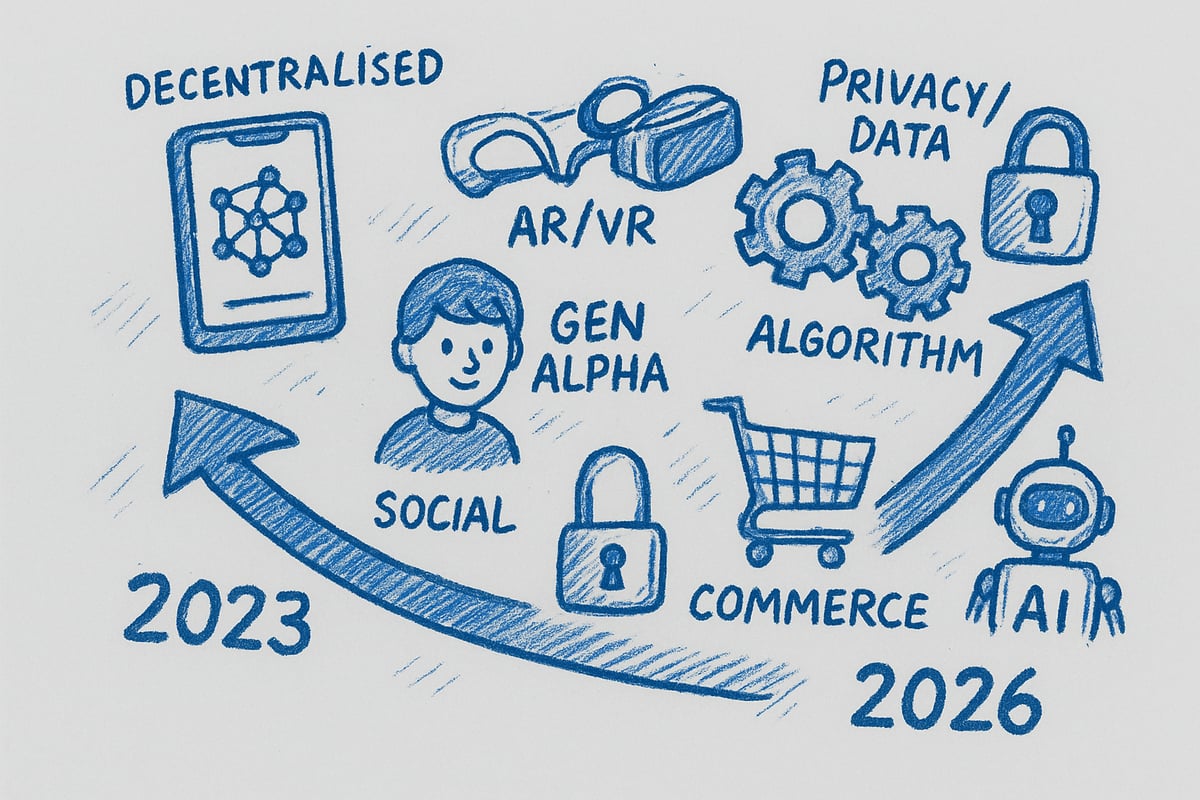
The social media agency marketing landscape is witnessing the rise of decentralised platforms and immersive AR/VR spaces. Gen Alpha, now entering their teens, is shaping digital trends with preferences for interactive and privacy-focused environments. Where TikTok dominated attention in 2023, new contenders like spatial social networks and blockchain-based communities are expected to lead by 2026. Notably, 72% of agencies plan to increase investment in emerging platforms by 2026, reflecting the urgency to adapt. For agencies seeking deeper insights into leveraging these new channels, Social media for marketing agencies offers practical strategies for staying ahead.
Algorithm Updates and Organic Reach
Platform algorithms are evolving rapidly, impacting how social media agency marketing campaigns perform. Organic reach is steadily declining as platforms prioritise paid content and reward video-first strategies. Instagram’s 2025 update, for example, shifted its algorithm to favour short-form and interactive videos, influencing content planning and budget allocation. Agencies must adapt by developing engaging video assets and allocating more resources to paid promotion. Understanding these changes helps agencies optimise their approach and maintain client results.
Regulatory Changes and Data Privacy
Data privacy remains central in social media agency marketing as governments introduce stricter regulations like updated GDPR and global privacy laws. These changes challenge audience targeting and analytics, requiring agencies to rethink data collection and consent management. Adapting to Apple’s App Tracking Transparency, for instance, forced agencies to innovate with first-party data and contextual targeting. Staying compliant without sacrificing campaign effectiveness demands ongoing education and agile processes for every agency.
Social Commerce and Monetisation Trends
Social commerce is poised for explosive growth, with global market value projected to reach £500 billion by 2026. Platforms now offer seamless in-app purchases, live shopping events, and integrated payment solutions, making them central to social media agency marketing strategies. Brands are capitalising on live-stream commerce and influencer-driven sales to drive revenue. Agencies must develop expertise in these monetisation tools, helping clients unlock new revenue streams and track performance with precision.
| Year | Global Social Commerce Value |
|---|---|
| 2023 | £250 billion |
| 2026 | £500 billion |
The Role of AI and Automation
Artificial intelligence is revolutionising social media agency marketing by enabling AI-driven content creation, customer service bots, and campaign management. Agencies are leveraging AI tools to deliver hyper-personalised ad experiences, optimise bidding strategies, and automate reporting. For example, AI-powered platforms can analyse audience data in real time, adjusting creative and targeting for maximum impact. This level of automation allows agencies to scale campaigns efficiently and deliver superior results for clients.
Key Takeaways for Agencies
To succeed in the evolving social media agency marketing landscape, agencies must focus on adaptability, technology adoption, and regulatory compliance. The most successful agencies will:
- Embrace new platforms and formats quickly
- Invest in AI and automation to streamline operations
- Prioritise user privacy and ethical data use
- Develop expertise in social commerce and monetisation
- Stay informed about regulatory updates
By developing these capabilities, agencies can future-proof their services and maintain a competitive advantage as the industry transforms.
Building a Future-Proof Social Media Strategy
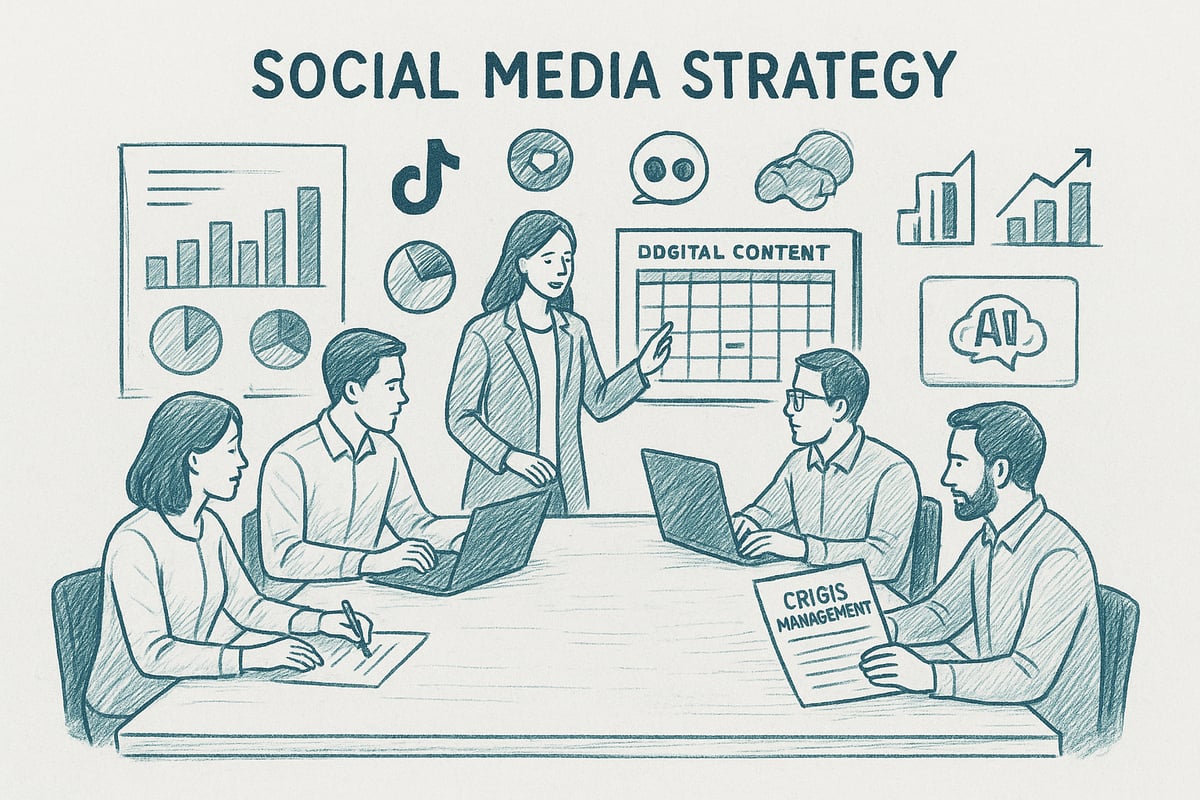
Creating a robust social media agency marketing strategy for 2026 requires a proactive, adaptable approach. Agencies must embrace innovation, data-driven thinking, and agility to stay ahead. Below, we break down the key steps to building a strategy that not only delivers measurable results but also stands the test of time.
Step 1: Market and Audience Analysis
The foundation of any effective social media agency marketing plan lies in understanding your audience. In 2026, agencies will increasingly turn to AI-powered segmentation tools to analyse behavioural patterns, preferences, and micro-audiences.
Predictive analytics will help agencies anticipate emerging content trends and audience shifts before competitors catch on. For example, platforms like Sprout Social use advanced AI to identify niche segments, enabling hyper-targeted campaigns.
- Use AI for deep segmentation
- Monitor sentiment and trend forecasts
- Regularly update audience personas
This approach ensures your social media agency marketing remains relevant and responsive to evolving client needs.
Step 2: Platform Selection and Channel Diversification
Choosing the right platforms is essential for maximising reach and ROI. Agencies should assess platforms based on audience demographics, content formats, and campaign objectives.
Balancing established channels with emerging platforms helps future-proof your efforts. According to HubSpot, agencies that use five or more platforms achieve 30 percent higher engagement rates.
| Platform Type | Strengths | Considerations |
|---|---|---|
| Established (Meta) | Broad reach, trust | Saturated, lower organic |
| Emerging (AR/VR) | Innovation, younger users | Learning curve, volatility |
For more insights, review digital marketing strategies for small businesses and see how diversification drives results.
Step 3: Content Planning and Calendar Development
Content calendars in 2026 should be dynamic, data-driven, and flexible. Agencies will need to respond to real-time trends, incorporate user-generated content, and collaborate with influencers to amplify reach.
Leverage tools that allow for rapid updates and integrate viral elements, such as AR filters or interactive polls. Successful social media agency marketing campaigns often blend brand storytelling with timely, authentic content.
- Schedule regular influencer partnerships
- Include UGC slots for community content
- Plan for trend-driven adjustments
Step 4: Paid Social and Media Buying
Paid social is becoming increasingly sophisticated. Agencies must master advanced targeting options, leveraging AI-driven bidding to optimise spend and performance.
Dynamic creative testing will enable agencies to refine messaging in real time. By combining first-party data with platform insights, social media agency marketing can achieve higher conversion rates and better ROI.
- Set clear objectives for each campaign
- Use AI to automate bidding and creative rotation
- Monitor budgets and adjust based on analytics
Step 5: Community Management and Engagement
Building loyal communities is a cornerstone of modern social media agency marketing. Brands should prioritise interactive content and regular live events to foster engagement and trust.
Weekly live Q&A sessions, virtual meetups, and real-time support create authentic connections. Empower your team to respond quickly and nurture ongoing dialogue.
- Host live sessions on trending platforms
- Encourage active participation and feedback
- Reward loyal followers with exclusive content
Step 6: Measurement and Continuous Optimisation
Agencies that excel in measurement use real-time analytics dashboards and automated reporting to track progress. Iterative testing and agile adjustments are crucial for continuous improvement.
Top-performing agencies, 68 percent of whom use automated optimisation tools, see stronger results and client satisfaction. Incorporate social media agency marketing KPIs such as engagement quality, conversion rates, and audience growth.
- Implement real-time dashboards
- Run A/B tests and refine regularly
- Report transparently to clients
Step 7: Risk Management and Crisis Response
Preparing for unexpected challenges is vital. Agencies should develop robust protocols for platform outages, PR crises, and regulatory changes.
Scenario planning and agile response frameworks help minimise disruption and protect brand reputation. Social media agency marketing teams must stay informed and ready to pivot strategies as needed.
- Draft crisis communication templates
- Train teams on rapid response
- Review and update risk plans quarterly
A future-proof social media agency marketing strategy blends technology, creativity, and resilience. By following these steps, agencies can secure lasting success in a rapidly changing digital world.
Winning Client Acquisition and Retention Strategies for Agencies
Agencies aiming to excel in social media agency marketing in 2026 must master both attracting new clients and nurturing long-term partnerships. The market is becoming more competitive, demanding agencies to refine their positioning, showcase results, and adapt their offerings. The following strategies are essential for thriving in this evolving landscape.
Positioning and Differentiation in a Crowded Market
Standing out in the crowded field of social media agency marketing is crucial for 2026. Agencies must define a clear value proposition, whether that means specialising in immersive AR/VR campaigns or offering niche expertise.
Highlighting creative strategy can give your agency a competitive edge. For example, insights from Creative strategy agencies insights show how agencies leverage innovation to deliver standout social media campaigns.
Regularly refreshing your brand positioning ensures you remain top of mind for prospective clients.
Leveraging Case Studies and Social Proof
Clients are seeking evidence of success before committing to agency partnerships. In social media agency marketing, case studies and testimonials are powerful tools for building trust.
Showcasing measurable results from recent campaigns demonstrates your expertise. According to industry data, agencies with strong case studies win 40% more pitches.
Encourage satisfied clients to provide reviews and participate in video testimonials. Authentic proof helps convert leads into loyal customers.
Consultative Selling and Solution-Based Approaches
The best social media agency marketing strategies go beyond standard packages. Agencies are moving towards consultative selling, where they assess each client’s needs and recommend bespoke solutions.
Offering services like social commerce audits or platform-specific workshops positions your agency as a strategic partner. This approach builds lasting relationships and opens the door to premium services.
Custom solutions show clients you understand their industry and objectives.
Retention Through Results and Reporting
Client retention hinges on delivering consistent value and maintaining transparency. In social media agency marketing, real-time reporting and clear communication of ROI are vital.
Use automated dashboards to keep clients informed on performance. Schedule quarterly reviews to discuss progress and identify upsell opportunities.
Proactive problem-solving and regular updates foster trust, making clients more likely to extend contracts and recommend your agency.
Building Long-Term Partnerships
Sustained growth in social media agency marketing relies on building strong, long-term client relationships. Educate clients about platform changes, emerging trends, and new technologies.
Host collaborative workshops to upskill client teams and demonstrate your commitment to their success. Regularly share industry insights and offer strategic roadmaps tailored to their goals.
A partnership mindset transforms clients into advocates for your agency.
Pricing Models and Value-Based Fees
Evolving pricing strategies are key to sustainable social media agency marketing. Many agencies are shifting from hourly rates to value-based or performance-driven pricing.
This model aligns your agency’s incentives with client outcomes, increasing margins by up to 20%. Transparent pricing builds trust and gives clients confidence in your services.
Review pricing structures annually to stay competitive and reflect your growing expertise.
OxD PR: Integrated Digital Marketing Solutions for Agencies
Partnering with experts like OxD PR can amplify your social media agency marketing strategies. Their cross-channel marketing, web design, and SEO services help agencies deliver holistic growth for clients.
Integrated campaigns have proven to drive measurable results. OxD PR’s flexible, client-centric approach aligns with the evolving needs of agencies in 2026.
Collaboration with specialists ensures your agency remains agile, innovative, and prepared for future challenges.
Content Innovation: Formats, Storytelling, and Creative Trends
The landscape of social media agency marketing is rapidly evolving, with content innovation at the heart of successful campaigns in 2026. New formats, storytelling techniques, and creative trends are redefining how agencies engage audiences and deliver measurable results.
Short-Form Video and Live Streaming
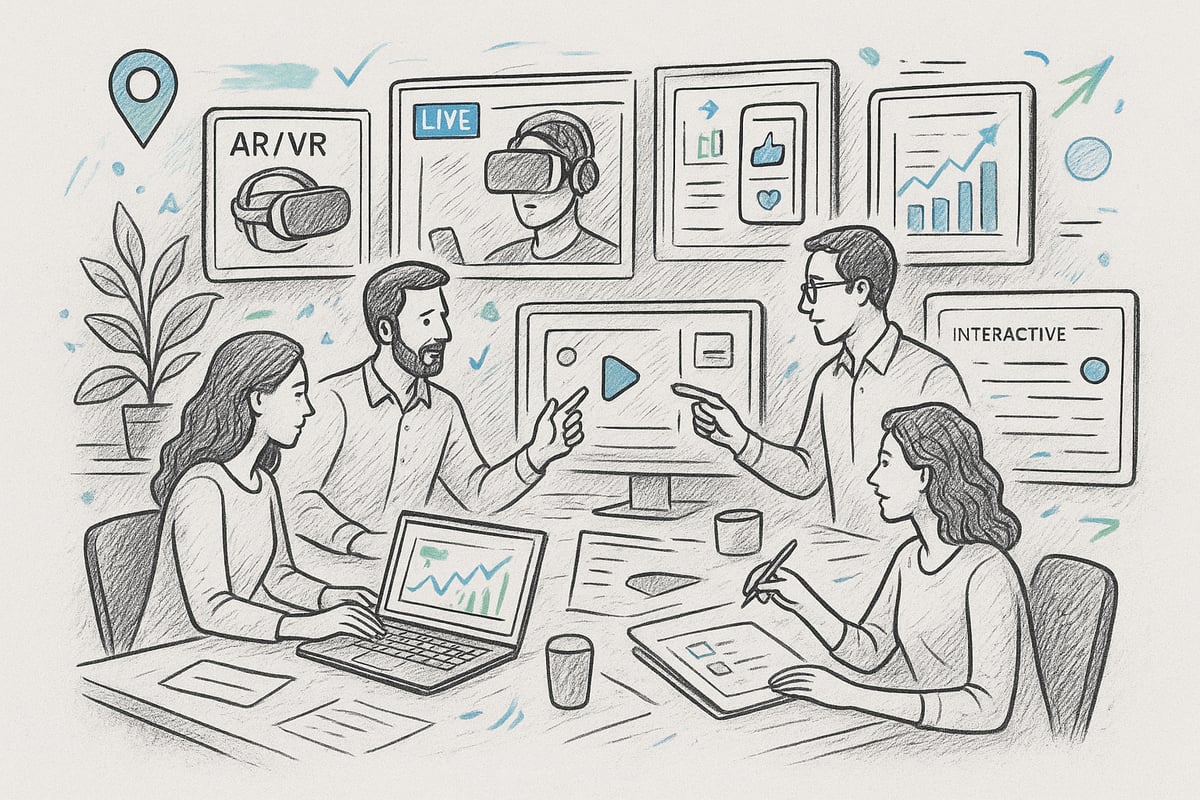
Short-form video content has become a cornerstone of social media agency marketing. Platforms like TikTok, Instagram Reels, and YouTube Shorts dominate engagement metrics, with users gravitating toward quick, entertaining videos. Live streaming adds another dynamic layer, enabling real-time interaction and instant feedback.
Brands are leveraging interactive live shopping events and Q&A sessions to drive participation. According to Wyzowl, 85 percent of users prefer video content from brands, making this format essential for capturing attention and boosting retention.
- Short-form videos increase brand awareness quickly
- Live streams foster authentic connections
- Interactive elements enhance viewer engagement
Immersive and Interactive Content
Immersive content, such as AR/VR experiences and 3D posts, is transforming the social media agency marketing landscape. These formats allow users to interact with products or services in virtual environments, leading to deeper engagement and memorable experiences.
For instance, retail brands use virtual try-ons to let customers visualise products before purchasing. Gamified content, including challenges and polls, encourages participation and shares. Agencies that adopt these interactive trends position themselves as innovators in a crowded market.
Influencer and Creator Collaborations
Influencer partnerships remain a powerful force in social media agency marketing, especially as audiences seek authenticity over celebrity. Micro-influencers, with targeted followings, generate 60 percent higher engagement rates than traditional influencers.
Collaboration with content creators helps brands tap into niche communities and foster trust. The State of social media marketing in 2026 highlights how agencies are prioritising influencer strategies and creator partnerships to stay competitive and relevant.
- Micro-influencers drive authentic engagement
- Co-created content resonates with specific audiences
- Performance metrics guide campaign selection
User-Generated Content and Community Storytelling
User-generated content (UGC) is a trusted pillar of social media agency marketing. By featuring customer stories, testimonials, and reviews, agencies build brand advocacy and credibility. Campaigns centred on UGC encourage audiences to participate and share their experiences.
Community storytelling transforms passive followers into active brand ambassadors. Agencies that prioritise UGC see increased organic reach and stronger community bonds, which are vital for long-term success in 2026.
Personalisation and Dynamic Creative
AI-driven personalisation is elevating social media agency marketing by delivering tailored experiences at scale. Dynamic creative allows brands to serve relevant ads and organic content to distinct audience segments in real time.
For example, dynamic creative optimisation tools adjust visuals and messaging based on user behaviour and preferences. This approach ensures content remains relevant, maximising engagement and conversion rates across diverse platforms.
- Personalisation boosts user satisfaction
- Automated creative testing refines campaign effectiveness
- Data-driven insights power continuous improvement
Branded Social Series and Episodic Content
Recurring, narrative-driven video series are gaining traction in social media agency marketing. Episodic content builds anticipation and loyalty, encouraging audiences to return for each instalment. Brands that invest in serial storytelling see up to 35 percent higher repeat engagement, according to Buffer.
A successful series typically features a consistent theme, relatable characters, and a clear progression. This approach fosters deeper emotional connections and long-term brand recall.
Ethical and Purpose-Driven Storytelling
Brands are increasingly aligning content with social values and sustainability in their social media agency marketing strategies. Ethical storytelling resonates with audiences who prioritise transparency and corporate responsibility.
Examples include climate action campaigns, diversity initiatives, and support for local communities. Purpose-driven narratives not only enhance brand reputation but also inspire meaningful audience engagement and loyalty.
Data, Analytics, and ROI Measurement for 2026
Data-driven decision making is at the heart of social media agency marketing success in 2026. As competition intensifies and platforms evolve, agencies must leverage cutting-edge analytics, robust measurement, and actionable insights to prove value and drive growth.
Advanced Social Analytics Tools
Selecting the right analytics tools is fundamental to social media agency marketing. In 2026, platforms like Sprout Social, Brandwatch, and Hootsuite Insights offer real-time dashboards, predictive analytics, and intuitive reporting. These tools empower agencies to track campaign performance, monitor sentiment, and uncover actionable trends.
| Tool | Key Features | Best For |
|---|---|---|
| Sprout Social | AI analytics, collaboration | Micro-segmentation, reporting |
| Brandwatch | Sentiment analysis, trends | Crisis monitoring |
| Hootsuite Insights | Data visualisation, alerts | Multi-channel tracking |
To stay ahead, agencies should explore digital marketing insights for the latest analytics advancements and practical tips.
Attribution Modelling and Multi-Touch Tracking
Understanding the customer journey is essential for optimising social media agency marketing. Attribution modelling enables agencies to measure the impact of each platform and touchpoint. Multi-touch tracking, using UTM parameters and AI-driven models, reveals how users move from awareness to conversion.
For example, agencies can compare first-touch, last-touch, and linear attribution to see which channels drive the most engagement or sales. This approach ensures marketing spend is allocated where it delivers the highest ROI.
KPIs for 2026: Beyond Likes and Follows
In 2026, social media agency marketing relies on deeper KPIs. Metrics like engagement quality, conversion rates, and customer lifetime value are central to demonstrating campaign effectiveness.
Key KPIs to track include:
- Average engagement duration
- Conversion rate per platform
- Cost per acquisition (CPA)
- Customer retention rate
Research shows agencies tracking advanced KPIs see a 32% increase in client retention, highlighting the need to move beyond vanity metrics.
AI and Automation in Reporting
AI and automation are transforming reporting in social media agency marketing. Automated dashboards deliver real-time insights, while natural language reports simplify client communication. AI-powered tools identify optimisation opportunities and predict future trends.
A recent study on the impact of generative AI on social media demonstrates how these technologies enhance campaign analysis and strategic agility. Agencies that embrace AI streamline workflows and uncover growth opportunities faster than ever.
Benchmarking and Competitive Analysis
Benchmarking is vital for evaluating social media agency marketing performance. Agencies compare their results with industry standards to identify strengths and areas for improvement. Conducting quarterly competitor audits, as 70% of agencies do, uncovers emerging tactics and keeps strategies sharp.
Competitive analysis tools highlight share of voice, content gaps, and engagement benchmarks, enabling agencies to refine their approach and stay ahead in a fast-moving landscape.
Proving Value and Scaling Success
Ultimately, the value of social media agency marketing is measured by its impact on client business goals. Aligning analytics with objectives, such as revenue growth or brand awareness, is crucial. Agencies showcase success with data-driven case studies, for example, increasing client revenue threefold through continuous optimisation.
Continuous measurement, transparent reporting, and agile adjustments ensure agencies not only prove ROI but also scale their clients’ success in an ever-evolving digital world.
Future-Proofing Your Social Media Agency: Trends and Skills for 2026
The pace of change in social media agency marketing is accelerating, demanding agencies to rethink their skills, teams, and strategies to remain competitive. To future-proof your agency, it is essential to invest in talent, technology, and adaptability, ensuring you can respond confidently to whatever 2026 brings.
Talent Acquisition and Upskilling
Attracting and retaining the right talent is at the core of successful social media agency marketing in 2026. Agencies are prioritising roles such as AI specialists, AR/VR content creators, and data analysts to stay relevant. Upskilling existing staff with ongoing training in emerging platforms and tools is equally critical. Building a culture of continuous learning ensures teams can adapt quickly to new trends, technologies, and client demands. Agencies that foster talent diversity and innovation will be best positioned to lead in the evolving digital landscape.
Investing in Technology and Tools
Cutting-edge technology is a major differentiator for social media agency marketing leaders. Agencies are adopting AI-driven analytics, content automation, and immersive technology to gain a competitive edge. Tools that support predictive insights and campaign automation are now essential. For example, integrating AI can streamline everything from content creation to customer service, as explored in AI’s role in enhancing customer experience and strategic marketing. Investing in proprietary or best-in-class platforms ensures agencies can scale efficiently and deliver measurable results for clients.
Building Agile, Cross-Functional Teams
Agility is a defining trait for agencies aiming to future-proof their social media agency marketing strategies. Cross-functional teams that blend creative, technical, and strategic expertise deliver campaigns faster and with greater impact. Agile methodologies enable rapid iteration and adaptation to shifting trends or platform updates. By encouraging close collaboration between content creators, analysts, and strategists, agencies can respond proactively to new opportunities and challenges. This approach supports both innovation and operational efficiency in a dynamic environment.
Sustainability and Ethical Marketing
Sustainability and ethics are increasingly integral to social media agency marketing. Clients and consumers expect agencies to prioritise eco-friendly practices, such as green hosting and responsible data management. Transparent communication about data use and campaign impact builds trust and credibility. Agencies are aligning their strategies with broader social values, including supporting climate action and advocating for diversity and inclusion. By embedding ethical considerations into every stage of campaign planning, agencies not only meet regulatory expectations but also differentiate their brand.
Globalisation and Localisation Strategies
Expanding into new markets requires agencies to tailor their social media agency marketing efforts to diverse audiences. Localisation involves adapting content for language, culture, and regional trends, which has proven to boost engagement significantly. Agencies that balance global reach with local relevance outperform competitors, especially in non-English-speaking markets. This often means partnering with local creators or integrating regional insights into campaign planning. Staying agile in global strategy ensures agencies can respond to market shifts and capitalise on international opportunities.
Partnering for Growth and Innovation
Collaboration is a powerful driver for social media agency marketing innovation. Agencies are forming partnerships with technology startups, creative professionals, and even other agencies to expand their service offerings. Joint ventures to develop AR social products or co-host industry events foster knowledge sharing and open up new revenue streams. By embracing an ecosystem mindset, agencies can access cutting-edge tools and creative talent beyond their in-house teams. These partnerships drive continuous improvement and help agencies stay ahead of emerging trends.
Preparing for the Unknown
The future of social media agency marketing is uncertain, but agencies can build resilience through scenario planning and risk management. Preparing for platform disruptions, regulatory changes, or technological breakthroughs ensures your team can pivot quickly when challenges arise. Developing robust contingency plans and fostering a culture of adaptability will safeguard your agency’s long-term growth. By staying informed, investing in learning, and prioritising flexibility, agencies can confidently navigate the unpredictable landscape of 2026.
As you look ahead to 2026, staying agile and ahead of social media trends is more crucial than ever. We’ve explored the latest strategies, emerging platforms, and data-driven tactics to help your agency not just adapt, but lead. If you’re ready to put these insights into action and want expert support in building a future proof marketing plan that truly sets your agency apart, let’s connect. OxD PR specialises in integrated digital solutions that drive measurable growth for ambitious agencies like yours.
Marketing