Marketing Website: Essential Guide for 2026
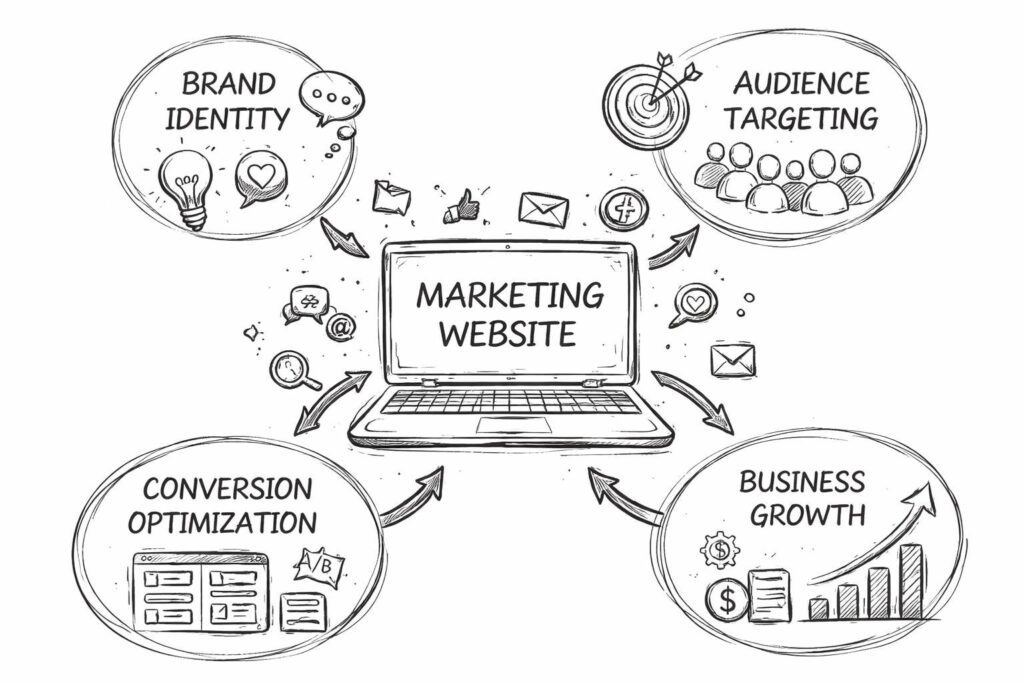
A marketing website serves as the cornerstone of your digital presence, functioning as both a brand ambassador and a revenue-generating asset. In 2026, businesses that invest strategically in their marketing website gain significant competitive advantages, transforming casual browsers into loyal customers through carefully crafted user experiences, persuasive messaging, and intelligent design choices. Whether you're launching a new venture or revitalising an existing online presence, understanding the fundamental principles that separate high-performing marketing websites from mediocre ones will determine your success in capturing and converting your target audience.
Understanding the Core Purpose of a Marketing Website
Every successful marketing website begins with clarity of purpose. Unlike informational sites or personal blogs, a marketing website exists to drive specific business outcomes through strategic visitor engagement and conversion optimization.
Primary objectives include:
- Generating qualified leads for sales teams
- Building brand awareness and credibility
- Facilitating direct transactions through e-commerce
- Educating prospects about products or services
- Nurturing customer relationships post-purchase
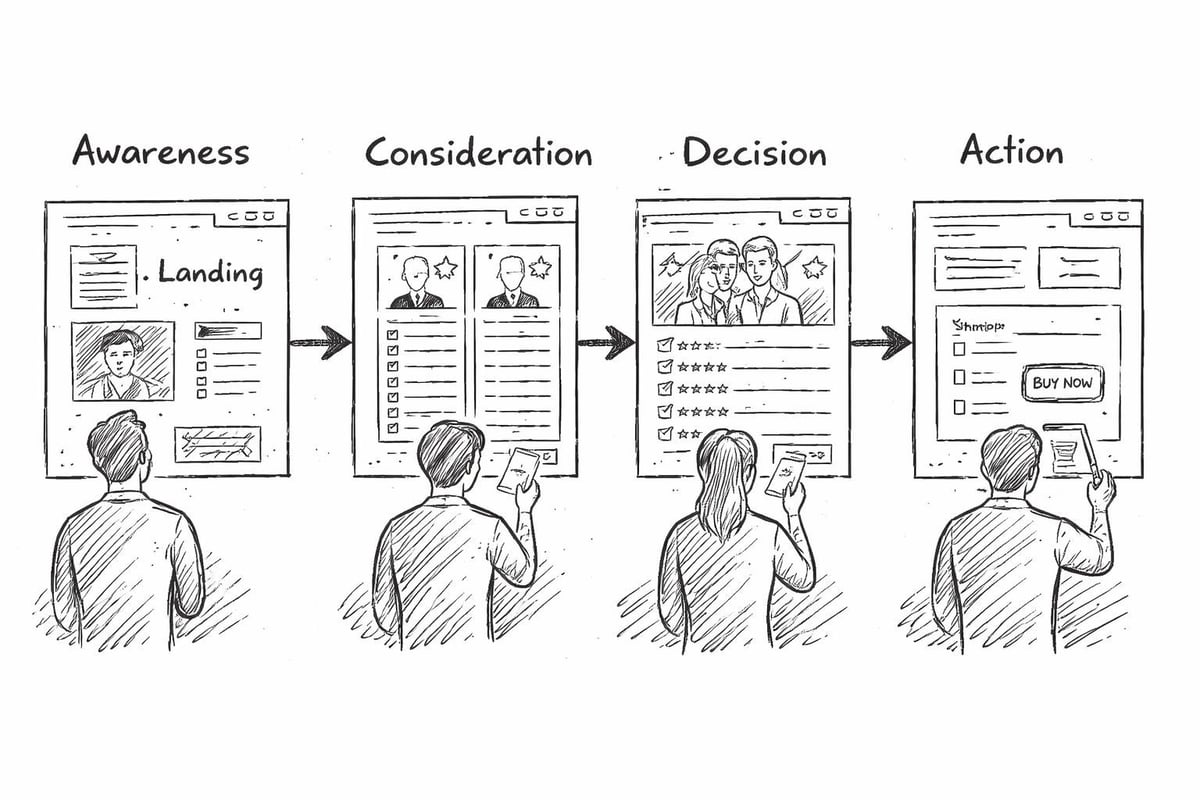
The distinction between a basic website and a true marketing website lies in intentionality. Each element, from navigation structure to colour choices, serves a deliberate function in moving visitors through your marketing funnel. When creative strategy agencies design these platforms, they align every pixel with measurable business goals rather than aesthetic preferences alone.
Defining Success Metrics
Your marketing website requires measurable performance indicators to evaluate effectiveness. Conversion rate stands as the ultimate metric, but supporting measurements provide crucial insights into user behaviour and site performance.
| Metric Category | Key Indicators | Business Impact |
|---|---|---|
| Engagement | Time on site, pages per session, bounce rate | Audience interest and content relevance |
| Conversion | Form submissions, purchases, demo requests | Direct revenue generation |
| Traffic Quality | Organic search percentage, referral sources | Marketing channel effectiveness |
| Technical Performance | Page load speed, mobile responsiveness | User experience and SEO rankings |
Establishing baseline metrics before implementing changes allows you to track improvements systematically. Advanced analytics platforms now offer detailed attribution modelling, revealing which marketing website elements contribute most significantly to conversions.
Design Principles That Drive Conversions
The visual and functional design of your marketing website directly influences visitor decisions. Research consistently demonstrates that users form impressions within milliseconds of page load, making first impressions critically important.
Navigation simplicity remains paramount. Visitors should locate desired information within three clicks from any page. Overcomplicated menu structures frustrate users and increase abandonment rates. The ten principles of effective web design emphasise that reducing cognitive load through clear hierarchies and intuitive pathways significantly improves user satisfaction.
Visual Hierarchy and Content Organization
Effective marketing websites guide attention through deliberate visual hierarchies. Strategic use of whitespace, contrasting colours, and varied typography sizes directs eyes toward priority content and calls-to-action.
Content organization follows the inverted pyramid model, presenting crucial information prominently whilst supporting details appear further down the page. This approach respects user scanning patterns revealed through eye-tracking studies.
Essential design elements include:
- Above-the-fold value proposition that immediately communicates your unique offering
- High-quality imagery that reinforces brand identity without slowing load times
- Strategic calls-to-action positioned at natural decision points throughout content
- Trust signals including testimonials, certifications, and security badges
- Mobile-responsive layouts that maintain functionality across all device types
Professional web design services understand that aesthetic appeal must balance with practical usability. Beautiful designs that confuse visitors ultimately fail their marketing purpose.
Content Strategy for Marketing Excellence
Content forms the substance of your marketing website, transforming abstract brand promises into tangible value propositions. Strategic content addresses visitor questions, alleviates concerns, and builds confidence in your offerings.
Effective content strategy begins with audience research. Understanding demographic characteristics, pain points, and decision-making criteria enables you to craft messages that resonate emotionally whilst providing logical justification for purchase decisions.
Implementing SEO-Optimised Content
Search engine optimisation remains inseparable from marketing website success. Organic search traffic typically converts at higher rates than paid advertising because visitors arrive seeking specific solutions you provide.
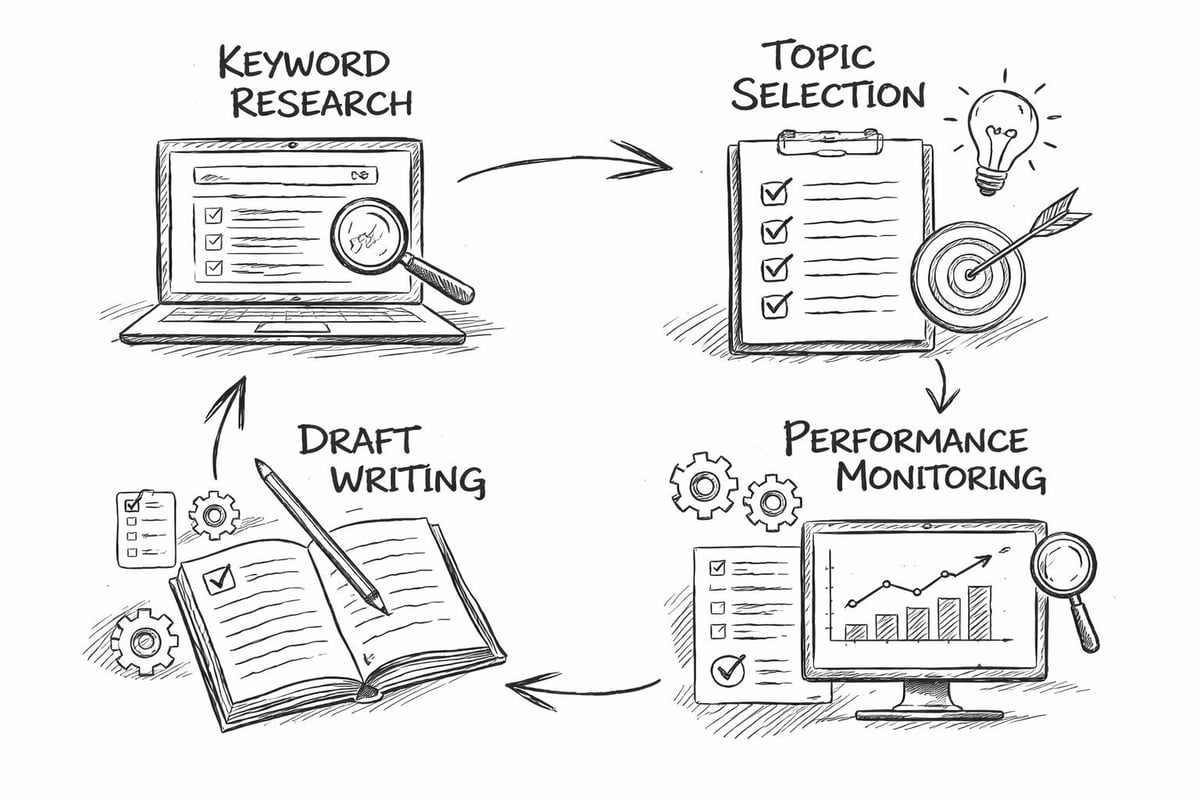
Keyword research identifies terms your prospects actively search when seeking solutions. However, modern SEO extends beyond simple keyword placement. Search engines now prioritise comprehensive content that thoroughly addresses user intent.
The integration of website marketing tactics with content creation ensures your marketing website attracts qualified traffic whilst delivering exceptional user experiences. This includes optimising meta descriptions, using descriptive headers, and structuring content for featured snippet opportunities.
Balancing Persuasion and Information
Marketing website content walks a fine line between informative education and persuasive selling. Overly aggressive sales language repels sophisticated buyers, whilst purely educational content fails to drive conversions.
The solution involves providing genuine value through useful information whilst strategically positioning your offerings as optimal solutions. Case studies, comparison guides, and educational resources establish authority whilst subtly highlighting your competitive advantages.
Technical Performance Optimization
Website speed directly correlates with conversion rates and search rankings. Research indicates that 53% of mobile users abandon sites requiring more than three seconds to load, making performance optimization commercially essential rather than technically optional.
Website performance best practices encompass multiple optimization strategies that collectively reduce load times whilst maintaining visual quality and functionality.
Critical optimization techniques:
- Compressing images without quality degradation using modern formats like WebP
- Implementing browser caching to reduce server requests for returning visitors
- Utilizing content delivery networks (CDNs) for faster global access
- Minifying CSS, JavaScript, and HTML files to reduce file sizes
- Lazy loading images and videos that appear below the fold
Technical performance affects user experience and search engine rankings simultaneously. Google's Core Web Vitals now directly influence search positions, making speed optimization both a marketing and technical imperative.
Mobile-First Development Approach
With mobile devices generating over 60% of web traffic in 2026, responsive design has evolved from optional feature to absolute requirement. However, true mobile optimization extends beyond responsive layouts to encompass touch-friendly interfaces, simplified navigation, and accelerated mobile pages.
Mobile users exhibit different behaviour patterns than desktop visitors. They seek quick answers, appreciate click-to-call functionality, and abandon sites with frustrating interactions. Your marketing website must deliver seamless experiences regardless of device type.
Conversion Rate Optimization Strategies
A marketing website exists to convert visitors into customers, subscribers, or leads. Systematic conversion rate optimization (CRO) transforms adequate performance into exceptional results through continuous testing and refinement.
Landing page optimization forms the foundation of effective CRO. Dedicated landing pages aligned with specific marketing campaigns or audience segments consistently outperform generic homepage traffic.
| Landing Page Element | Standard Performance | Optimized Performance | Improvement Factor |
|---|---|---|---|
| Single clear CTA | 2-3% conversion | 5-8% conversion | 2.5x increase |
| Social proof included | 3-4% conversion | 7-10% conversion | 2.5x increase |
| Mobile-optimized forms | 1-2% conversion | 4-6% conversion | 3x increase |
| Video explanation | 3-5% conversion | 8-12% conversion | 2.5x increase |
Essential website best practices emphasise that conversion optimization never concludes. Continuous A/B testing of headlines, imagery, form fields, and button colours reveals incremental improvements that compound over time.
Strategic Call-to-Action Placement
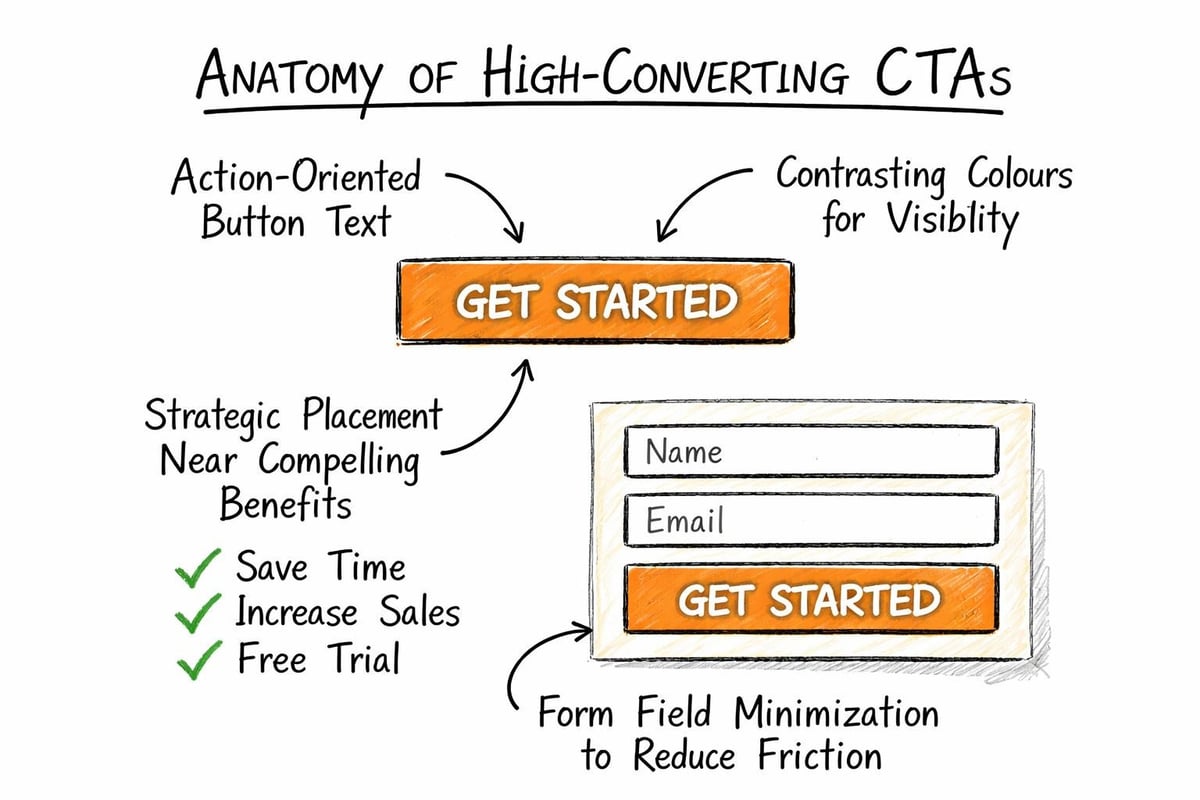
Calls-to-action (CTAs) serve as conversion catalysts, transforming passive interest into active engagement. Effective CTAs combine compelling copy, strategic placement, and visual prominence.
Multiple CTA opportunities throughout your marketing website accommodate visitors at different decision stages. Primary CTAs target ready-to-buy prospects, whilst secondary CTAs capture email addresses from those requiring additional nurturing.
Button copy specificity matters significantly. Generic phrases like "Submit" convert poorly compared to benefit-focused alternatives such as "Get My Free Analysis" or "Start Saving Today." Action-oriented language that emphasizes value generates higher click-through rates.
Building Trust Through Social Proof
Visitor trust determines conversion likelihood more than any design element. Unknown brands face inherent skepticism that social proof mechanisms effectively overcome through demonstrated credibility.
Customer testimonials, case studies, client logos, and third-party reviews collectively establish legitimacy. Specific testimonials with attributable sources outperform anonymous praise significantly. Including customer photographs, company names, and concrete results strengthens credibility further.
Effective social proof formats include:
- Video testimonials that convey authentic satisfaction through tone and expression
- Quantified results demonstrating measurable client outcomes
- Industry certifications validating expertise and compliance
- Media mentions leveraging third-party credibility
- Real-time activity notifications showing current customer engagement
Agencies like OxD PR showcase portfolio work to demonstrate capabilities tangibly. Prospective clients reviewing previous projects gain confidence in potential outcomes for their own initiatives.
Integrating Marketing Automation
Modern marketing websites function as dynamic platforms rather than static brochures. Integration with marketing automation systems enables personalized experiences, lead nurturing sequences, and sophisticated analytics.
Visitor behaviour tracking reveals engagement patterns that inform automated follow-up sequences. Someone downloading a pricing guide receives different messaging than someone browsing blog content, creating relevance that improves conversion rates.
Email Capture and Lead Nurturing
Strategic email capture transforms one-time visitors into ongoing marketing opportunities. However, generic "subscribe to our newsletter" requests convert poorly compared to specific value propositions.
Offering premium content like industry reports, templates, or exclusive guides in exchange for email addresses provides clear value exchange. This email marketing approach builds permission-based lists of genuinely interested prospects.
Automated email sequences nurture captured leads through educational content that gradually positions your solutions. This patient approach respects buyer journeys whilst maintaining top-of-mind awareness until purchase readiness.
Accessibility and Inclusive Design
An effective marketing website welcomes all potential customers regardless of ability. Accessibility extends beyond legal compliance to represent sound business practice that expands addressable markets.
Web design best practices for small businesses emphasise that accessible design benefits everyone, not just users with disabilities. Clear navigation, readable typography, and logical structure improve experiences universally.
Core accessibility considerations:
- Sufficient colour contrast ratios for text readability
- Keyboard navigation functionality for non-mouse users
- Alternative text descriptions for images supporting screen readers
- Captions and transcripts for video and audio content
- Logical heading hierarchies that organize information clearly
Accessibility audits identify improvement opportunities whilst demonstrating commitment to inclusive customer experiences. This consideration strengthens brand reputation whilst potentially avoiding legal complications.
Analytics and Continuous Improvement
Your marketing website generates valuable data revealing visitor preferences, content effectiveness, and conversion bottlenecks. Systematic analysis transforms raw data into actionable insights that guide optimization priorities.
Beyond basic traffic metrics, behaviour flow analysis reveals how visitors navigate your site, where they encounter confusion, and which pages precede conversions. Heat mapping tools visualize exactly where users click, scroll, and focus attention.
Monthly analytics review should examine:
- Top-performing content attracting qualified traffic
- High-exit pages indicating potential problems
- Conversion funnel abandonment points
- Device and browser compatibility issues
- Search query terms revealing audience intent
Data-driven decisions outperform assumptions consistently. Regular testing of hypotheses through controlled experiments establishes what actually works for your specific audience rather than relying on generic best practices alone.
A high-performing marketing website combines strategic planning, thoughtful design, compelling content, and continuous optimization to transform digital visitors into valuable customers. Success requires balancing aesthetic appeal with functional effectiveness whilst maintaining focus on measurable business outcomes. OxD PR specializes in creating responsive, conversion-optimized marketing websites that enhance online presence and drive qualified traffic for businesses worldwide. Whether you need comprehensive web design, strategic SEO implementation, or integrated digital marketing campaigns, our London-based team delivers solutions that generate real results.