Restaurant Digital Marketing Agency: Complete Guide 2026
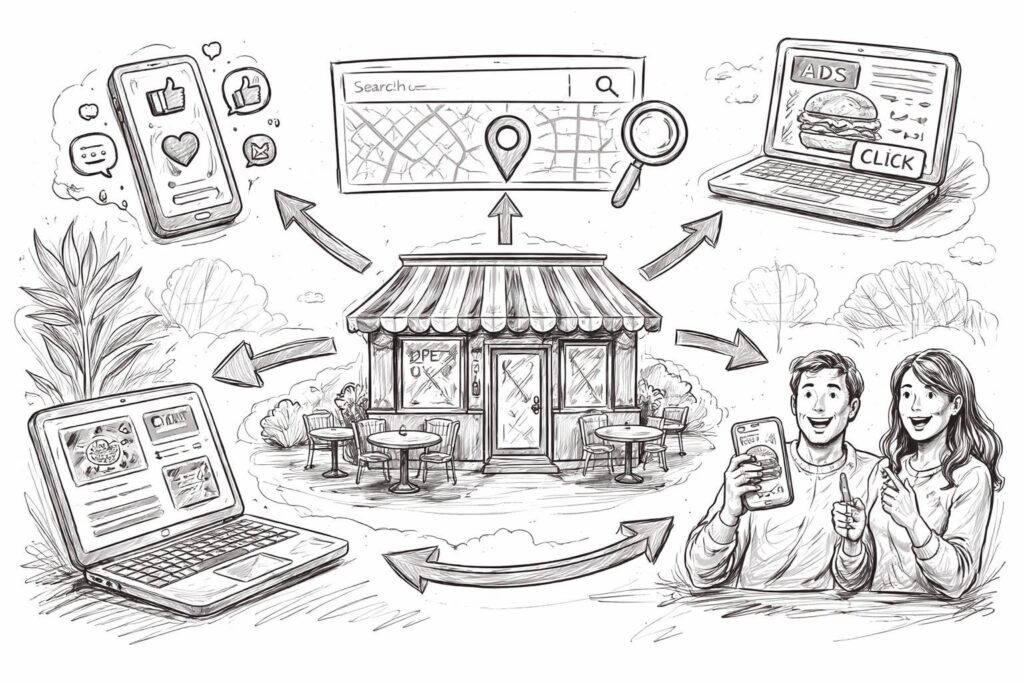
The restaurant industry in 2026 faces unprecedented competition, with diners discovering their next meal through social media feeds, search engines, and review platforms rather than traditional advertising. A specialised restaurant digital marketing agency understands the unique challenges facing hospitality businesses, from managing online reputation to converting website visitors into actual table reservations. The combination of local SEO expertise, social media management, and conversion-focused web design creates a powerful framework that transforms how restaurants attract and retain customers in an increasingly digital landscape.
Why Restaurants Need Specialised Digital Marketing
The hospitality sector operates differently from other industries. Dining decisions happen quickly, often within minutes of feeling hungry, and are heavily influenced by visual content, reviews, and proximity. Generic digital marketing approaches fail to capture these nuances.
Restaurant-specific challenges include:
- Managing reputation across multiple review platforms simultaneously
- Converting online engagement into physical foot traffic
- Showcasing menu items through compelling visual storytelling
- Competing within highly localised search results
- Adapting to seasonal fluctuations and changing consumer preferences
A restaurant digital marketing agency brings sector-specific knowledge that general marketing firms lack. These specialists understand table booking software integration, delivery platform optimization, and the critical importance of mobile-optimized website design that loads quickly when hungry customers search for nearby dining options.
The financial stakes are considerable. Research shows that restaurants investing in comprehensive digital strategies see measurable returns through increased reservation rates, higher average ticket values, and improved customer retention. Strategic digital marketing transforms marketing spend from a cost centre into a revenue generator.
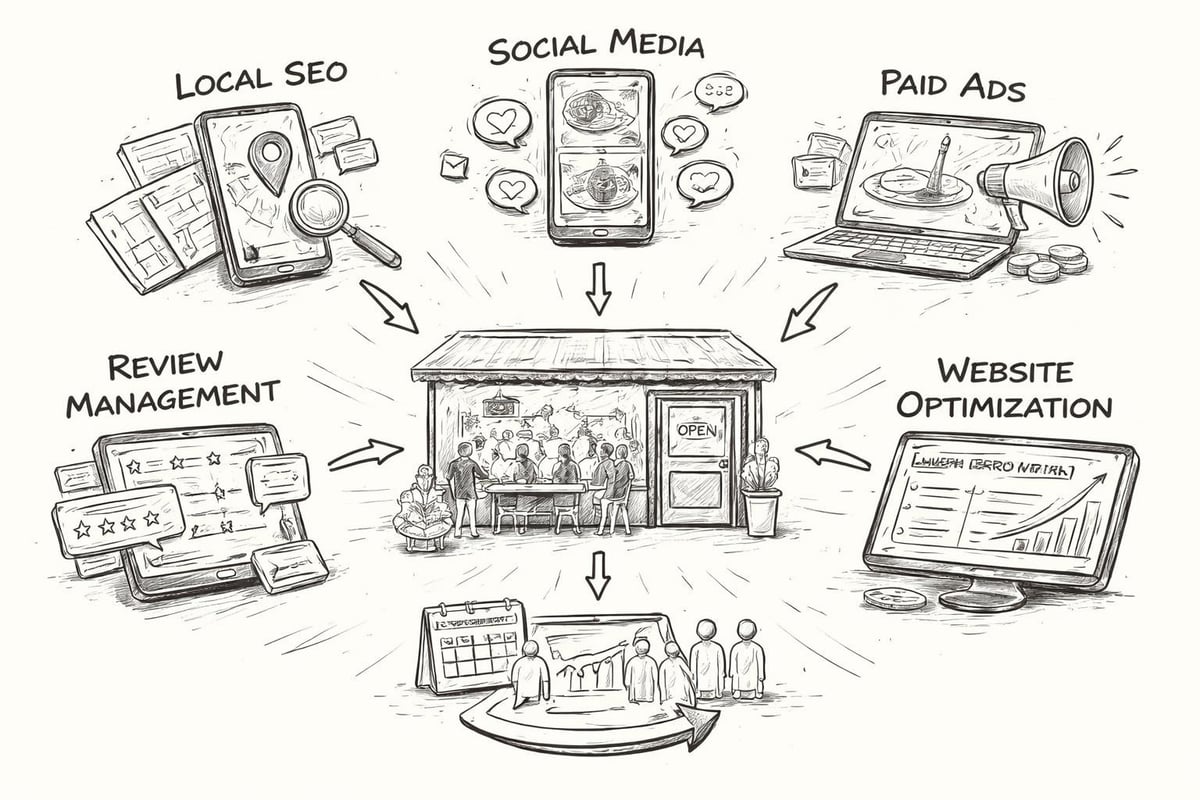
Core Services From a Restaurant Digital Marketing Agency
Local SEO and Google My Business Optimization
Local search dominates restaurant discovery. When potential diners search "Italian restaurant near me" or "best seafood in London," appearing in those results determines success or failure. Implementing effective local SEO strategies positions restaurants ahead of competitors.
| Local SEO Element | Impact on Visibility | Implementation Priority |
|---|---|---|
| Google Business Profile | Critical | Immediate |
| Location-based keywords | High | Week 1-2 |
| Customer reviews | Critical | Ongoing |
| Local citations | Medium | Month 1 |
| Schema markup | High | Week 2-3 |
Professional agencies optimize Google Business Profiles with accurate opening hours, high-quality photographs, menu information, and consistent NAP (Name, Address, Phone) data across all directories. They implement structured data markup that helps search engines understand menu items, pricing, and booking options, making restaurants more likely to appear in rich snippets and local pack results.
Social Media Management and Content Creation
Instagram, TikTok, and Facebook serve as digital shopfronts for restaurants. Potential customers scroll through carefully curated food photography, behind-the-scenes kitchen content, and customer testimonials before making dining decisions. A restaurant digital marketing agency creates content calendars that balance promotional posts with engaging storytelling.
Successful social media strategies include:
- High-quality food photography showcasing signature dishes
- Behind-the-scenes content featuring chefs and kitchen teams
- User-generated content campaigns encouraging customer sharing
- Influencer partnerships with local food bloggers
- Time-sensitive promotions driving immediate reservations
- Interactive stories and polls building community engagement
The shift towards short-form video content requires restaurants to adapt quickly. Professional agencies produce Reels, TikToks, and Stories that showcase menu items in action, capturing the sizzle of a hot plate or the artistic plating of a dessert. These visual narratives convert scrollers into diners.
Website Design and Conversion Optimization
A restaurant's website serves one primary purpose: converting visitors into customers. Whether through direct reservations, phone calls, or delivery orders, every element should guide users towards taking action. Many restaurants struggle with outdated websites that frustrate mobile users or bury critical information like menus and booking options.
Essential website features include:
- One-click reservation systems integrated with booking platforms
- Mobile-responsive design optimized for smartphone browsing
- Fast loading times (under 3 seconds) to retain impatient users
- Clear calls-to-action above the fold
- Accessible menus with pricing and dietary information
- Location maps with accurate directions and parking details
Agencies specializing in restaurant marketing understand that website visitors often have immediate dining intent. They structure sites to provide instant gratification, displaying opening hours, available tables, and menu highlights prominently. Integration with platforms like OpenTable or Resy streamlines the booking process, reducing friction between interest and commitment.
Advanced Digital Marketing Strategies for Restaurants
Email Marketing and Customer Retention
Acquiring new customers costs significantly more than retaining existing ones. Email marketing provides a direct communication channel with diners who have already experienced your restaurant. A restaurant digital marketing agency builds segmented email lists that deliver personalized content based on dining history, preferences, and special occasions.
Effective email campaigns include:
- Birthday and anniversary offers with personalized messaging
- Seasonal menu launches showcasing new dishes
- Exclusive reservation access for special events
- Loyalty programme updates and reward redemptions
- Post-visit feedback requests that encourage reviews
The comprehensive approach to restaurant marketing emphasizes customer lifetime value over single transactions. Email automation nurtures relationships, transforming one-time visitors into regular patrons who become brand advocates.
Paid Advertising and Performance Marketing
Organic reach continues declining across social platforms, making paid advertising essential for maintaining visibility. Restaurant digital marketing agencies manage budgets across Google Ads, Facebook Ads, Instagram promotions, and emerging platforms, ensuring maximum return on advertising spend.
| Platform | Best Use Case | Average ROI | Targeting Precision |
|---|---|---|---|
| Google Ads | High-intent searches | 200-300% | Very High |
| Facebook Ads | Audience building | 150-250% | High |
| Instagram Ads | Visual storytelling | 180-280% | High |
| TikTok Ads | Younger demographics | 160-240% | Medium |
Strategic ad campaigns target specific demographics within defined geographical areas, ensuring budgets focus on potential customers rather than wasteful broad audiences. Retargeting campaigns remind website visitors about special offers, converting browsers who didn't initially book into confirmed reservations.
Review Management and Reputation Building
Online reviews directly influence dining decisions, with 90% of consumers reading reviews before visiting restaurants. Managing reputation across Google, TripAdvisor, Yelp, and industry-specific platforms requires constant attention and strategic responses.
Professional agencies monitor review platforms continuously, responding promptly to both positive and negative feedback. They implement proven digital marketing strategies that encourage satisfied customers to share experiences while diplomatically addressing complaints before they escalate.
The approach includes:
- Setting up automated review request systems post-visit
- Responding to all reviews within 24 hours
- Addressing negative feedback with genuine concern and solutions
- Showcasing positive reviews across social media channels
- Analyzing review trends to identify operational improvements
Content Marketing and Brand Storytelling
Beyond promotional content, successful restaurants build brands through compelling narratives. Content marketing establishes restaurants as authorities within their niche, whether that's sustainable sourcing, regional cuisine, or innovative culinary techniques.
Blog posts, videos, and social media stories explore:
- Chef backgrounds and culinary philosophies
- Sourcing relationships with local farmers and suppliers
- Recipe development processes and seasonal inspiration
- Restaurant history and community involvement
- Sustainability initiatives and ethical practices
This storytelling differentiates restaurants in crowded markets, creating emotional connections that transcend price comparisons. A restaurant digital marketing agency crafts these narratives authentically, ensuring consistency across all platforms whilst maintaining the unique voice that makes each establishment special.
Measuring Success and ROI in Restaurant Marketing
Key Performance Indicators
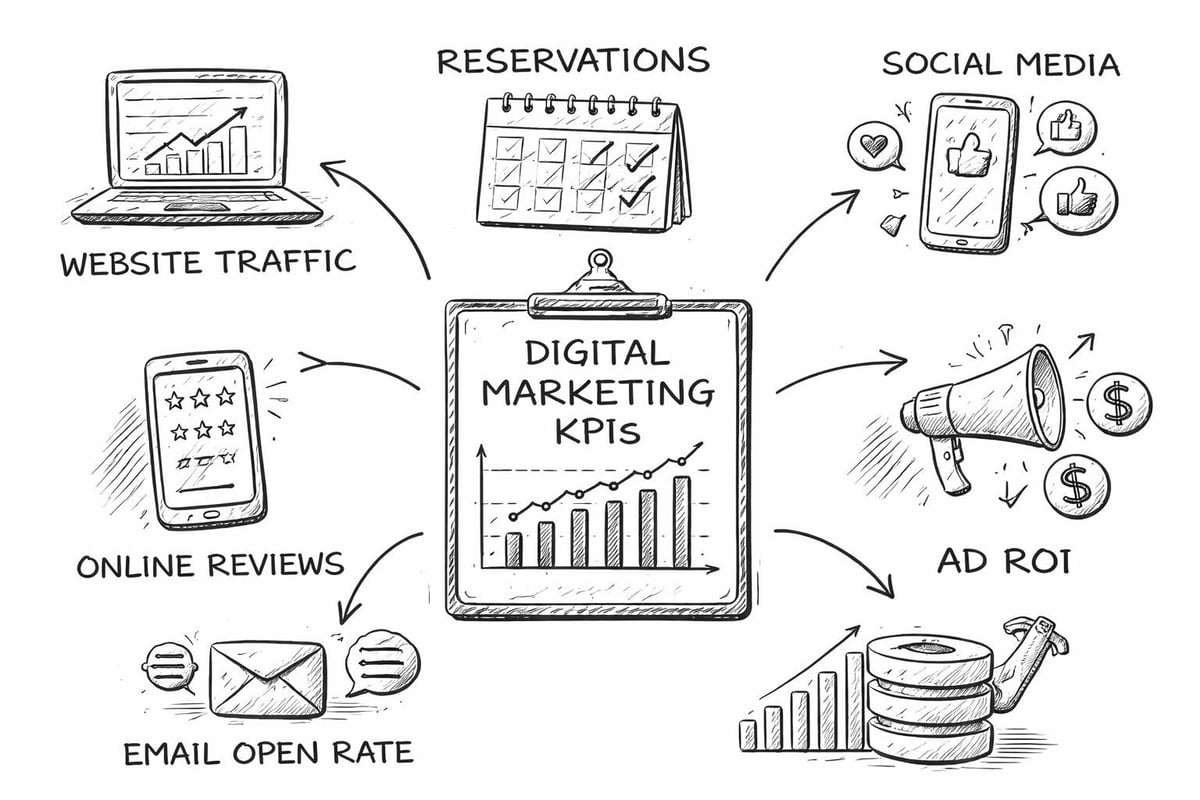
Effective digital marketing requires measurable outcomes. Restaurants need clear metrics demonstrating how marketing investments translate into business results. Agencies track specific KPIs that align with restaurant objectives.
Primary metrics include:
- Reservation conversion rate: Website visitors who complete bookings
- Cost per acquisition: Marketing spend divided by new customers
- Customer lifetime value: Average revenue per customer over relationship
- Social media engagement rate: Likes, comments, shares per post
- Online review rating: Average score across platforms
- Website traffic sources: Organic search, paid ads, social media, direct
- Email campaign performance: Open rates, click rates, conversion rates
Advanced analytics connect digital activities to physical outcomes. Tracking phone calls generated from Google Business Profiles, monitoring reservation sources, and analyzing customer demographics provide insights that refine strategies continuously.
Attribution and Multi-Touch Analysis
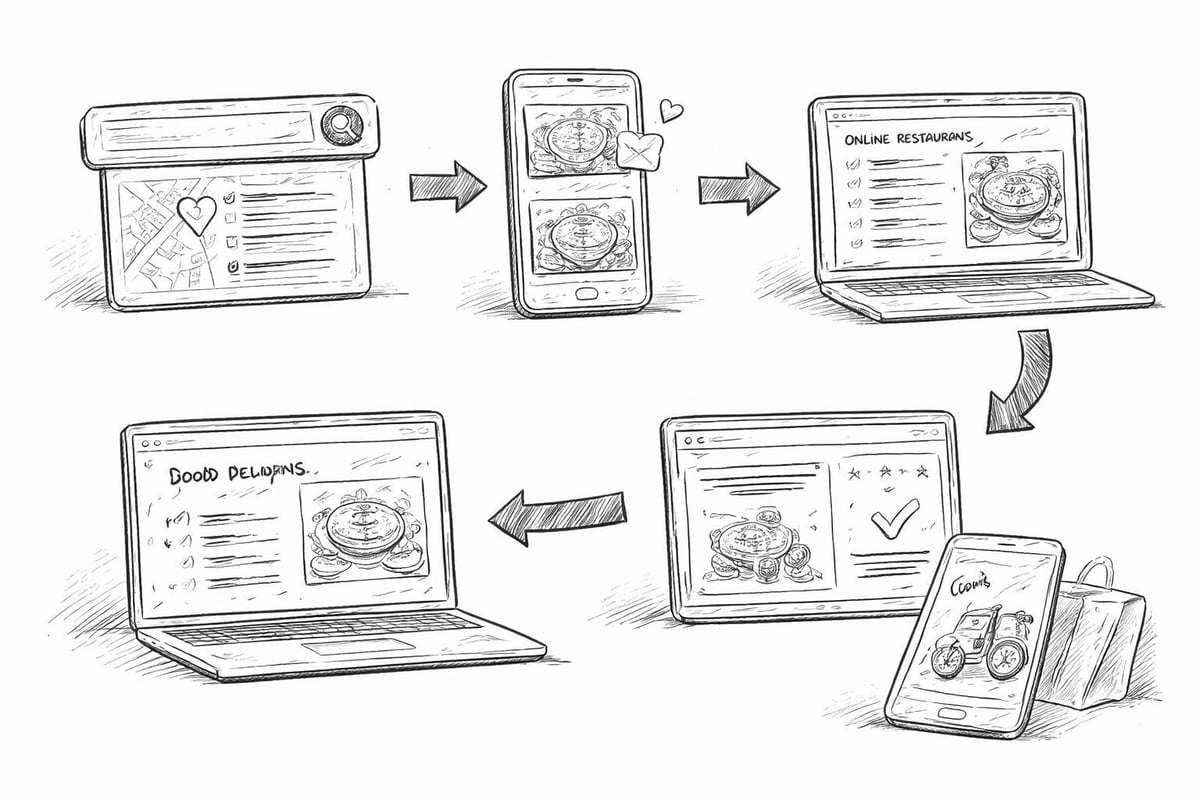
Modern diners interact with restaurants across multiple channels before booking. They might discover a restaurant through Instagram, read reviews on Google, visit the website, and finally make a reservation. Understanding this customer journey enables better budget allocation.
Attribution models identify which touchpoints contribute most significantly to conversions. Did the Instagram post spark initial interest? Did the Google Ad remind them at the perfect moment? Did the website's seamless booking process seal the decision? These insights inform future campaigns, directing resources towards highest-performing channels.
Integrating Traditional and Digital Marketing
Whilst digital channels dominate modern marketing, integrated approaches combining online and offline tactics deliver superior results. A restaurant digital marketing agency coordinates digital campaigns with traditional advertising, ensuring consistent messaging across all customer touchpoints.
Physical elements supporting digital strategies include:
- QR codes on table tents linking to review platforms
- Printed materials featuring social media handles
- Window displays promoting Instagram-worthy dishes
- Business cards with website and booking information
- Local newspaper advertisements driving website traffic
The digital transformation case studies demonstrate how combining digital expertise with traditional hospitality excellence creates sustainable growth. Technology enhances rather than replaces the personal touches that make dining experiences memorable.
Choosing the Right Restaurant Digital Marketing Agency
Selecting a marketing partner requires careful evaluation. Not all agencies understand restaurant-specific challenges, and poor choices waste budgets whilst damaging reputations.
Essential selection criteria:
- Restaurant industry experience: Look for portfolios showcasing successful hospitality campaigns
- Local market knowledge: Understanding regional dining preferences and competition
- Transparent reporting: Clear, regular updates on campaign performance and metrics
- Integrated service offerings: Comprehensive solutions from SEO to social media
- Responsive communication: Quick response times and accessible account management
- Proven results: Case studies demonstrating measurable business outcomes
Request detailed proposals outlining strategies, timelines, and expected outcomes. Avoid agencies promising unrealistic results or those unwilling to explain their methodologies clearly. The right partnership feels collaborative, with agencies acting as extensions of your team rather than distant vendors.
Emerging Trends in Restaurant Digital Marketing
Voice Search Optimization
Smart speakers and voice assistants increasingly mediate restaurant discovery. Diners ask Siri, Alexa, or Google Assistant for recommendations, requiring optimization for conversational queries. Digital marketing strategies now incorporate natural language keywords and featured snippet optimization to capture voice search traffic.
Artificial Intelligence and Personalization
AI-powered chatbots handle reservation inquiries, answer menu questions, and provide instant customer service outside business hours. Machine learning algorithms analyze customer data to personalize recommendations, predict popular dishes, and optimize pricing strategies dynamically.
Recent academic research on conversational agents explores how restaurants integrate AI systems whilst maintaining personal touches. The balance between automation efficiency and human warmth defines successful implementations.
Sustainability Marketing
Diners increasingly prioritize environmentally conscious restaurants. Digital marketing highlights sustainability initiatives, from locally sourced ingredients to waste reduction programmes. Transparent communication about ethical practices builds trust with environmentally aware consumers, particularly younger demographics.
Delivery Platform Integration
Third-party delivery services dominate takeaway markets, requiring restaurants to optimize presence across Uber Eats, Deliveroo, and Just Eat. A restaurant digital marketing agency manages these relationships, ensuring consistent branding, accurate menus, and strategic promotion placement that drives delivery orders whilst protecting profit margins.
Building Long-Term Digital Success
Sustainable growth requires consistent effort rather than sporadic campaigns. The comprehensive digital strategies offered by platforms like Salesforce demonstrate how ongoing optimization, regular content creation, and continuous testing produce compounding results over time.
Monthly activities maintaining digital momentum include:
- Publishing fresh blog content targeting seasonal keywords
- Updating Google Business Profile with current photos and offers
- Analyzing website analytics to identify improvement opportunities
- Testing new ad creative and targeting parameters
- Engaging with social media comments and messages
- Monitoring competitor activities and market trends
Digital marketing evolves constantly, with algorithm updates, platform changes, and shifting consumer behaviours requiring adaptive strategies. Agencies staying ahead of these changes protect restaurants from sudden traffic drops whilst capitalizing on emerging opportunities.
Technical Infrastructure Supporting Digital Marketing
Backend systems enable front-facing marketing efforts. Restaurants need robust technical foundations supporting their digital presence, from reliable hosting ensuring website uptime to integrated reservation systems preventing double-bookings.
Critical technical elements:
- Fast, secure web hosting with 99.9% uptime guarantees
- SSL certificates establishing trust and improving search rankings
- CDN (Content Delivery Network) ensuring quick page loads globally
- Reservation system integration connecting bookings with operations
- Analytics tracking measuring user behaviour and conversion paths
- CRM systems managing customer relationships and communication
The services offered by comprehensive digital marketing agencies address both creative and technical requirements, ensuring restaurants present professional digital experiences whilst maintaining operational efficiency behind the scenes.
Implementing effective digital marketing transforms restaurant businesses, driving measurable increases in reservations, customer loyalty, and revenue growth through strategic online presence optimization. Whether you're launching a new establishment or revitalizing an existing venue, partnering with specialists who understand both hospitality and digital marketing creates competitive advantages in increasingly crowded markets. OxD PR combines technical expertise with creative excellence, delivering integrated digital marketing solutions that help restaurants stand out, attract more diners, and build lasting customer relationships across all digital channels.