Smart Marketing: Data-Driven Strategies for 2026
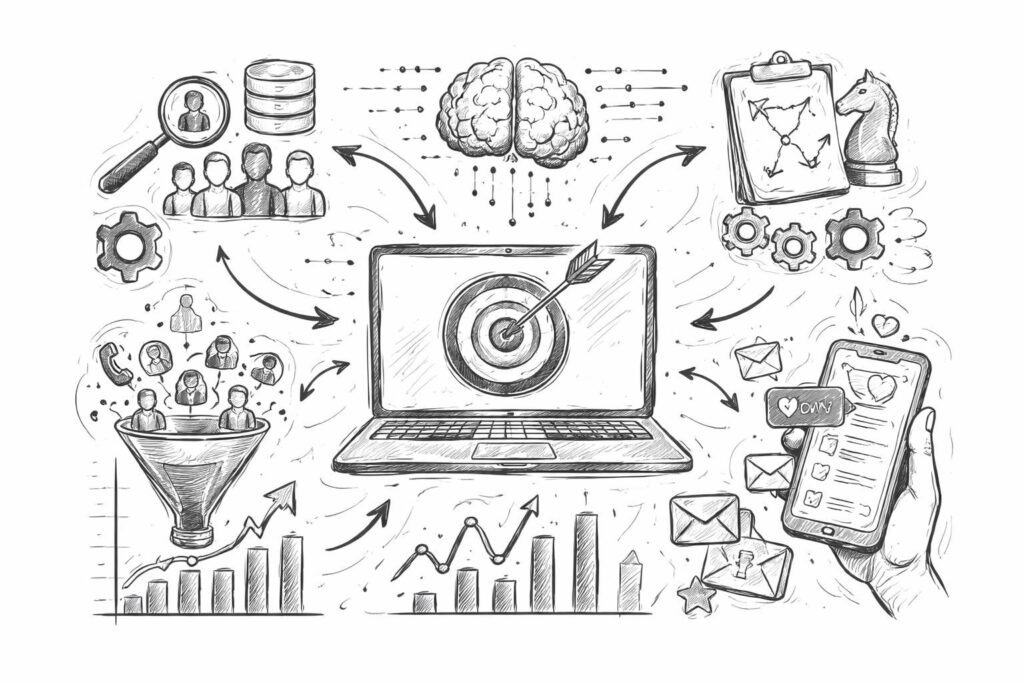
The marketing landscape has evolved dramatically over the past decade, transforming from intuition-based campaigns to sophisticated, data-driven strategies. Smart marketing represents the convergence of technology, analytics, and customer insight, enabling businesses to deliver precisely targeted messages that resonate with their audiences. Rather than casting a wide net and hoping for results, modern marketers now leverage artificial intelligence, predictive analytics, and behavioral data to craft campaigns that drive measurable outcomes. For businesses seeking sustainable growth in 2026, understanding and implementing smart marketing principles isn't optional-it's essential for survival in an increasingly competitive digital marketplace.
Understanding the Foundations of Smart Marketing
Smart marketing differs fundamentally from traditional approaches through its reliance on data-driven decision-making and continuous optimization. At its core, this methodology combines customer intelligence, technological tools, and strategic planning to create campaigns that deliver superior return on investment. The SOSTAC planning model provides a structured framework that many successful organizations use to develop comprehensive marketing strategies.
The foundation begins with robust data collection and analysis. Businesses must establish systems that capture customer behavior across multiple touchpoints, from website interactions to social media engagement. This information forms the bedrock upon which all smart marketing decisions rest.
Key components of effective data infrastructure include:
- Customer relationship management (CRM) systems that track interactions and purchase history
- Web analytics platforms monitoring user behavior and conversion patterns
- Social listening tools capturing brand sentiment and competitive intelligence
- Marketing automation software enabling personalized communication at scale
Building Customer Intelligence Capabilities
Personalized marketing represents one of the most powerful applications of customer intelligence. By analyzing demographic data, purchase patterns, and behavioral signals, businesses can segment their audiences into highly specific groups with shared characteristics and needs.
Consider how e-commerce retailers now predict which products individual customers are most likely to purchase based on browsing history and previous transactions. This level of precision wasn't possible a decade ago. Today, machine learning algorithms process millions of data points to identify patterns that human analysts would never detect.
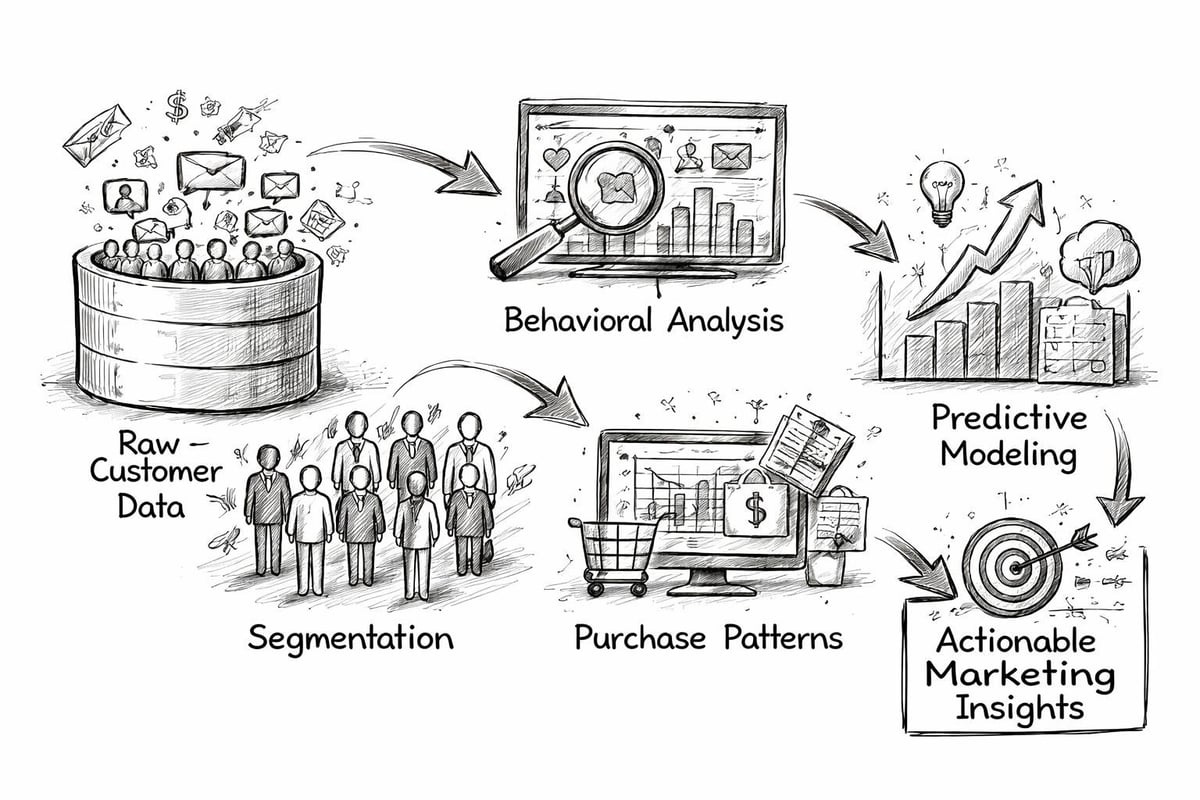
The shift towards precision marketing emphasizes quality over quantity, focusing resources on high-value customers and prospects with the greatest likelihood of conversion. This approach maximizes marketing efficiency whilst reducing wasted spend on audiences unlikely to engage.
Leveraging Artificial Intelligence for Campaign Optimization
Artificial intelligence has revolutionized how businesses approach smart marketing strategy. Machine learning algorithms now handle tasks that previously required extensive manual effort, from content personalization to bid optimization in paid advertising campaigns. Recent research on generative AI-driven storytelling demonstrates how AI can craft compelling narratives tailored to individual customer preferences and emotional triggers.
AI applications extend across the entire marketing funnel:
- Audience discovery and segmentation using clustering algorithms to identify hidden customer groups
- Content generation and optimization through natural language processing that adapts messaging for different segments
- Predictive analytics forecasting customer lifetime value and churn probability
- Dynamic pricing strategies adjusting offers based on demand, inventory, and competitive positioning
- Chatbot interactions providing personalized customer service at scale
Implementing AI-Powered Personalization
Modern consumers expect personalized experiences across every brand interaction. Smart marketing delivers this through AI systems that analyze individual preferences and automatically adjust content, product recommendations, and messaging. The SLM4Offer framework demonstrates how generative AI models can create personalized offers by aligning customer personas with relevant marketing propositions.
| Personalization Element | Traditional Approach | Smart Marketing Approach |
|---|---|---|
| Email Content | Generic newsletters | Dynamic content blocks based on behavior |
| Product Recommendations | Best-sellers list | AI-predicted preferences per user |
| Website Experience | Static pages | Real-time personalization of layout and offers |
| Advertising Messages | Demographic targeting | Psychographic and behavioral targeting |
| Customer Service | Standard responses | Context-aware, predictive assistance |
Successful implementation requires integration between data sources, analytics platforms, and delivery channels. When creative strategy agencies develop campaigns, they increasingly rely on these AI capabilities to ensure messaging resonates with target audiences whilst maintaining brand consistency.
Mastering Multi-Channel Attribution and Analytics
Smart marketing demands sophisticated measurement frameworks that track customer journeys across multiple touchpoints. Attribution modeling reveals which channels and interactions contribute most significantly to conversions, enabling strategic resource allocation. The SOMONITOR framework combines explainable AI with large language models to enhance marketing analytics capabilities, particularly for competitor analysis and strategic branding decisions.
Traditional last-click attribution oversimplifies the customer journey, crediting only the final interaction before conversion. Modern attribution models acknowledge that customers interact with brands multiple times across various channels before making purchase decisions.
Advanced attribution approaches include:
- Time-decay models weighting recent interactions more heavily
- Position-based attribution crediting both initial awareness and final conversion touchpoints
- Data-driven attribution using machine learning to assign value based on actual conversion patterns
- Incrementality testing measuring the true impact of marketing activities through controlled experiments
Building Comprehensive Dashboards
Effective smart marketing requires visibility into performance metrics across all channels. Comprehensive dashboards consolidate data from disparate sources, providing real-time insights that inform tactical adjustments and strategic decisions. Leading organizations monitor both leading indicators (engagement metrics, funnel progression) and lagging indicators (revenue, customer acquisition cost, lifetime value).
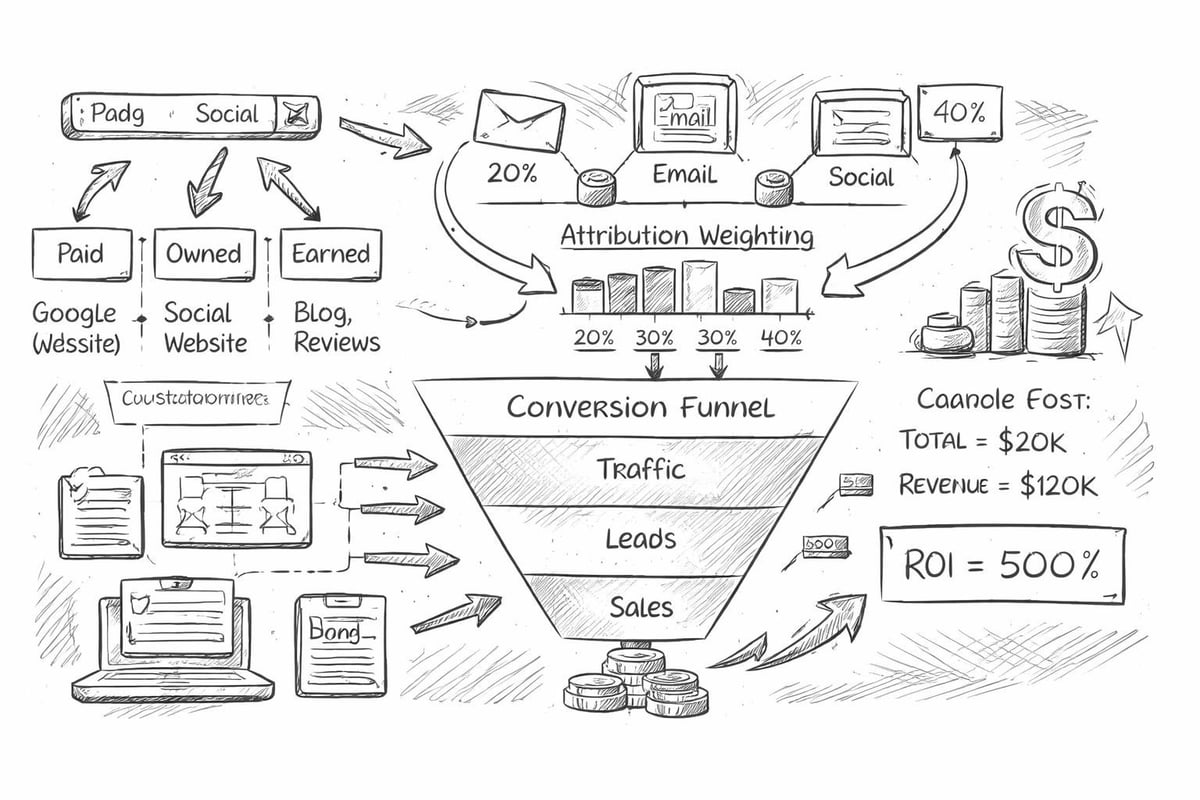
The complexity of modern marketing technology stacks presents both opportunities and challenges. Businesses must integrate numerous platforms whilst ensuring data flows seamlessly between systems. This technical foundation enables the automation and intelligence that define smart marketing approaches.
Developing Customer-Centric Experience Strategies
Smart customer experience marketing strategies prioritize creating meaningful interactions that build loyalty and drive revenue growth. Rather than focusing solely on acquisition, sophisticated marketers recognize that retaining and expanding relationships with existing customers delivers superior returns compared to constantly pursuing new prospects.
Customer experience encompasses every interaction across the entire lifecycle. Smart marketing optimizes these touchpoints through continuous testing, feedback collection, and refinement based on data insights.
Creating Seamless Omnichannel Experiences
Modern customers interact with brands across multiple devices and platforms, expecting consistent experiences regardless of channel. A customer might discover a product through social media, research it on a mobile device, and complete the purchase on a desktop computer. Smart marketing ensures messaging, branding, and user experience remain cohesive throughout this journey.
Key principles for omnichannel excellence:
- Unified customer profiles consolidating data from all touchpoints into single, actionable records
- Consistent messaging maintaining brand voice and positioning across channels whilst adapting format to platform requirements
- Cross-device tracking following customer journeys as users switch between smartphones, tablets, and computers
- Synchronized inventory and pricing ensuring customers see accurate information regardless of interaction point
The distinction between online and offline channels continues blurring. Physical retailers integrate digital elements into store experiences, whilst e-commerce brands open showrooms and pop-up locations. Smart marketing strategies account for this convergence, creating integrated campaigns that leverage both digital and traditional touchpoints.
Automating Marketing Workflows for Efficiency
Marketing automation represents a cornerstone of smart marketing implementation, enabling businesses to deliver personalized communications at scale without proportional increases in manual effort. Sophisticated workflows trigger contextually relevant messages based on customer behaviors, lifecycle stage, and engagement patterns.
Automation extends beyond simple email sequences:
- Lead scoring algorithms identify prospects most likely to convert, prioritizing sales team attention
- Content recommendations surface relevant articles, videos, or resources based on individual interests
- Abandoned cart recovery sequences re-engage customers who showed purchase intent but didn't complete transactions
- Post-purchase nurturing campaigns strengthen relationships and encourage repeat purchases
- Reactivation workflows win back dormant customers before they churn permanently
| Workflow Type | Trigger | Objective | Success Metric |
|---|---|---|---|
| Welcome Series | New subscriber | Brand introduction and engagement | Open rate, click rate |
| Lead Nurturing | Content download | Education and qualification | Lead score progression |
| Cart Abandonment | Incomplete purchase | Conversion recovery | Recovery rate |
| Re-engagement | 90 days inactivity | Churn prevention | Reactivation rate |
| Cross-sell | Product purchase | Basket expansion | Average order value |
Balancing Automation with Authenticity
Whilst automation drives efficiency, smart marketing maintains human elements that build genuine connections. The most effective strategies blend automated workflows with personalized touchpoints where human interaction adds meaningful value. Complex inquiries, high-value prospects, and escalated issues benefit from direct human engagement rather than automated responses.
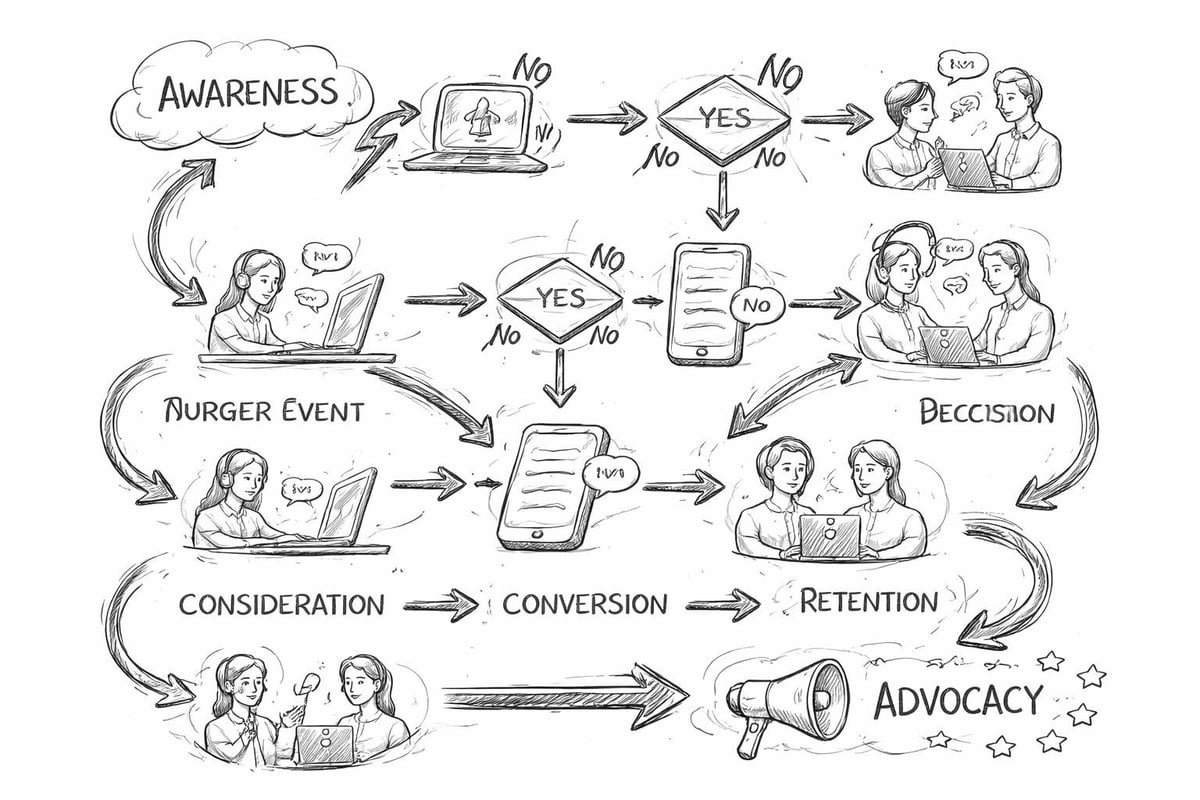
Successful businesses recognize that technology enables rather than replaces human creativity and strategic thinking. The agencies featured among the biggest digital marketing agencies combine technological sophistication with creative excellence, leveraging automation for operational efficiency whilst maintaining the human insight that drives breakthrough campaigns.
Testing and Optimization Methodologies
Smart marketing embraces continuous improvement through systematic testing and data-driven optimization. A/B testing, multivariate experiments, and incremental rollouts enable marketers to validate hypotheses and refine approaches based on empirical evidence rather than assumptions.
Every campaign element represents an opportunity for optimization, from headline copy and call-to-action buttons to send times and audience segments. Leading organizations establish testing roadmaps that prioritize experiments based on potential impact and learning value.
Essential testing practices include:
- Clear hypothesis formulation specifying expected outcomes and success criteria
- Adequate sample sizes ensuring statistical significance of results
- Controlled test environments isolating variables to understand causal relationships
- Documentation of learnings to build institutional knowledge over time
- Rapid iteration cycles incorporating insights into subsequent campaigns
Building a Culture of Experimentation
Organizations that excel at smart marketing foster cultures where testing and learning are embedded in standard operating procedures. Rather than treating campaigns as one-off initiatives, they view each execution as an opportunity to gather insights that inform future efforts.
This mindset shift requires leadership support, appropriate resources, and acceptance that not every experiment will yield positive results. Failed tests provide valuable learnings about what doesn't resonate with audiences, preventing larger-scale mistakes whilst refining understanding of customer preferences.
Privacy-First Marketing in the Post-Cookie Era
The deprecation of third-party cookies and increasing privacy regulations fundamentally reshape smart marketing approaches. Businesses must adapt strategies to operate effectively whilst respecting customer privacy and complying with frameworks like GDPR and evolving data protection legislation.
Zero-party and first-party data become increasingly valuable as third-party tracking diminishes. Zero-party data comprises information customers intentionally share-preferences declared through surveys, product configuration choices, or account settings. First-party data includes behavioral information collected directly through owned properties and customer interactions.
Smart marketing strategies prioritize building direct relationships that encourage customers to willingly share information in exchange for enhanced experiences. Value exchanges might include personalized recommendations, exclusive content, or tailored offers that demonstrate clear benefits from data sharing.
Implementing Privacy-Compliant Tracking
Modern tracking solutions balance measurement needs with privacy requirements through server-side tagging, consent management platforms, and privacy-preserving analytics methodologies. These approaches enable businesses to understand customer behavior whilst honoring individual privacy preferences and regulatory requirements.
Contextual targeting experiences resurgence as behavioral tracking becomes more restricted. Rather than following individuals across the internet, contextual approaches place advertisements based on page content and user intent signals. This methodology aligns with privacy principles whilst maintaining campaign relevance.
Integrating Emerging Technologies and Channels
Smart marketing requires staying current with technological developments and emerging platforms that reshape customer engagement. Voice search optimization, augmented reality experiences, and interactive content formats represent growing opportunities for brands willing to experiment with innovative approaches.
The metaverse and Web3 concepts, whilst still evolving, present potential future channels where early adopters may gain competitive advantages. Smart marketers monitor these developments, conducting small-scale experiments to build expertise whilst avoiding premature large-scale investments in unproven channels.
Social commerce continues expanding, with platforms like Instagram, TikTok, and Pinterest integrating native shopping experiences that compress the path from discovery to purchase. These integrated experiences reduce friction in customer journeys whilst providing platforms with valuable transaction data that enhances targeting capabilities.
Emerging technologies reshaping marketing include:
- Conversational AI enabling sophisticated chatbot interactions beyond simple scripted responses
- Predictive analytics forecasting customer needs before explicit expression
- Blockchain technologies providing transparency in digital advertising and enabling new loyalty mechanisms
- Augmented reality creating immersive product experiences that bridge digital and physical
- Internet of Things generating behavioral data from connected devices
Smart marketing represents the intersection of strategic thinking, technological capability, and customer insight. By implementing data-driven approaches, leveraging AI for personalization and optimization, and maintaining customer-centric focus, businesses position themselves for sustainable growth in increasingly competitive markets. OxD PR combines comprehensive digital marketing expertise with cutting-edge technology and strategic insight to help businesses implement smart marketing strategies that drive measurable results and meaningful growth.