What Makes a Creative Agency Essential in 2026
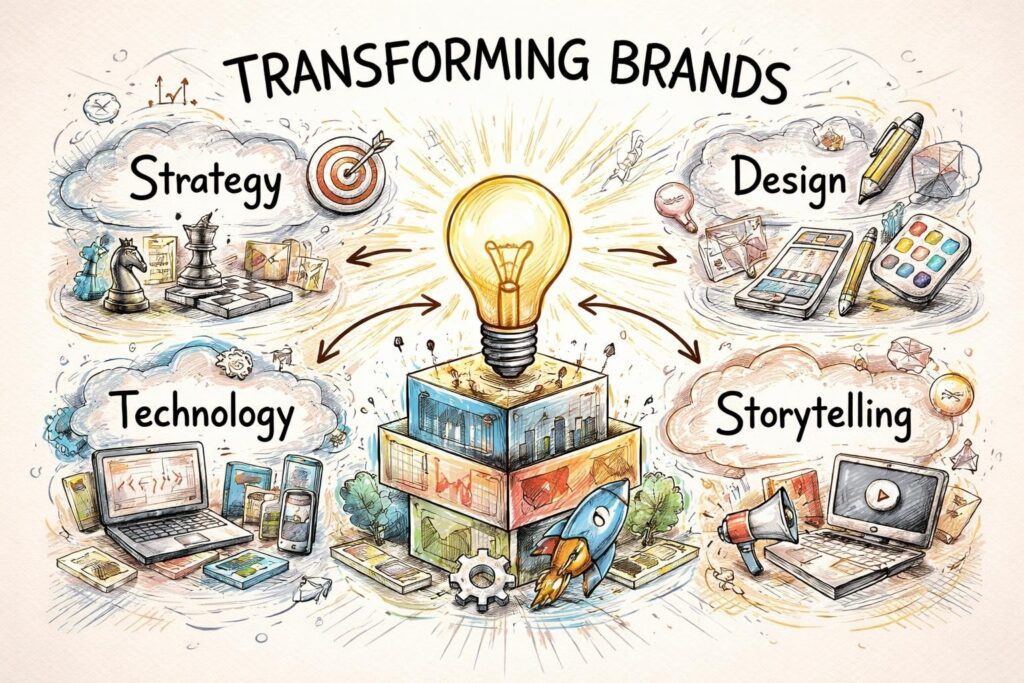
The modern business landscape demands more than traditional marketing approaches. Companies across industries face the challenge of standing out in saturated markets whilst maintaining authentic connections with their audiences. This is where a creative agency becomes invaluable, offering strategic expertise, design innovation, and technical capabilities that transform brands from overlooked to unmissable. Whether you're launching a startup or refreshing an established enterprise, partnering with the right creative team can accelerate growth and establish lasting market presence.
Understanding the Modern Creative Agency Model
A creative agency in 2026 operates at the intersection of art, technology, and strategic thinking. These organisations have evolved far beyond simple advertising firms, now offering comprehensive solutions that address every touchpoint of the customer journey.
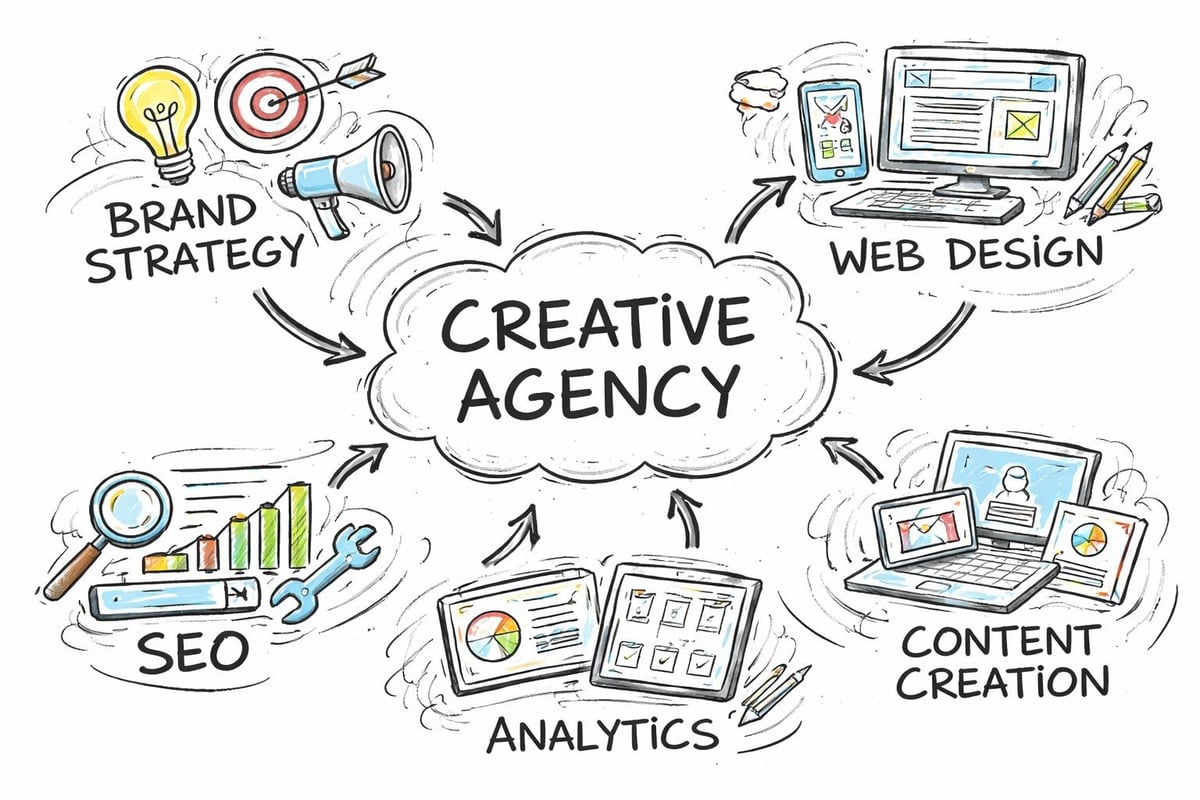
Today's agencies combine traditional creative disciplines with cutting-edge digital capabilities. This includes brand identity development, web design, content creation, SEO optimisation, and data analytics. The integration of these services ensures that every campaign element works cohesively towards measurable business objectives.
Core Services That Define Excellence
The most effective creative agencies structure their offerings around client needs rather than rigid service categories. This flexible approach allows businesses to access precisely the expertise required for their specific challenges.
Essential service areas include:
- Strategic brand development and positioning
- Responsive web design and development
- Search engine optimisation and content marketing
- Social media strategy and community management
- Video production and visual storytelling
- Data analytics and performance tracking
These capabilities don't exist in isolation. A creative agency worth its reputation understands how each element influences the others, creating synergistic campaigns that amplify results across channels.
The Strategic Value of Creative Partnership
Engaging a creative agency represents more than outsourcing marketing tasks. It establishes a strategic partnership that brings external perspective, specialised expertise, and fresh thinking to your business challenges.
Many organisations struggle with internal blindness, where familiarity with their own brand creates blind spots. External creative teams identify opportunities and weaknesses that internal stakeholders often miss. This objectivity proves invaluable when repositioning brands or entering new markets.
Building Collaborative Relationships
Success depends on establishing clear communication channels and shared objectives from the outset. According to best practices for working with creative agencies, transparent briefing processes and regular feedback loops dramatically improve project outcomes.
| Collaboration Element | Impact on Success | Implementation Strategy |
|---|---|---|
| Clear brief documentation | High | Detailed objectives, audience profiles, success metrics |
| Regular communication | Essential | Weekly check-ins, project management platforms |
| Feedback protocols | Medium-High | Structured review processes, consolidated comments |
| Flexibility and trust | High | Open dialogue, willingness to explore creative solutions |
The relationship between client and agency should feel like an extension of your internal team. The best partnerships involve agencies that invest time understanding your business culture, industry dynamics, and long-term vision.
Navigating the Selection Process
Choosing a creative agency requires careful evaluation of capabilities, cultural fit, and track record. With thousands of agencies competing for attention, making an informed decision demands structured assessment.
Begin by examining portfolio work and case studies. Look beyond aesthetic appeal to understand the strategic thinking behind successful campaigns. Does the agency demonstrate versatility across industries? Can they articulate clear results from previous work?
Key Evaluation Criteria
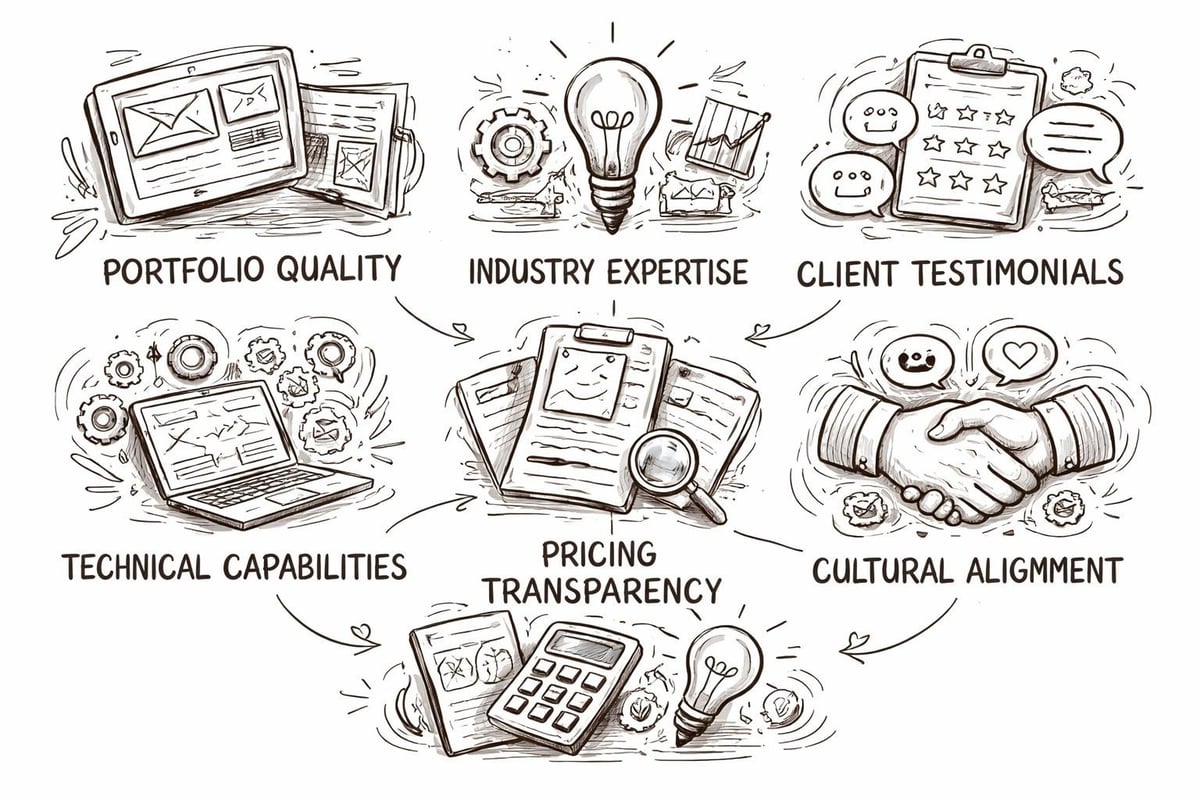
When assessing potential partners, consider these fundamental factors that separate exceptional agencies from average providers:
- Industry expertise and market understanding
- Technical capabilities matching your needs
- Proven results with measurable outcomes
- Team composition and senior involvement
- Communication style and responsiveness
- Pricing structure and value proposition
Request references and speak directly with current or former clients. Ask specific questions about managing creative agency relationships, including how the agency handles challenges, meets deadlines, and adapts to changing requirements.
Digital Innovation and Emerging Technologies
A creative agency that remains competitive in 2026 continuously adopts emerging technologies whilst maintaining focus on fundamental creative principles. The integration of artificial intelligence, machine learning, and automation tools has transformed how agencies develop and deliver campaigns.
Recent developments in AI for creative industries demonstrate significant capabilities in content generation, design automation, and predictive analytics. Forward-thinking agencies leverage these tools to enhance efficiency without sacrificing the human creativity that drives emotional connection.
Balancing Technology with Human Creativity
Technology serves as an amplifier of creative talent, not a replacement. The most successful agencies use AI for data analysis, pattern recognition, and repetitive tasks, freeing creative professionals to focus on strategic thinking and innovative concepts.
For instance, AI-powered tools can analyse thousands of design variations to identify which elements resonate most with target audiences. However, the initial creative concept, brand strategy, and emotional narrative still require human intuition and experience. This symbiotic relationship between technology and creativity defines modern agency excellence.
Agencies must also navigate emerging trends shaping the creative industry, including sustainability considerations, inclusive design principles, and privacy-first marketing approaches. These factors increasingly influence consumer preferences and regulatory requirements.
Content Strategy and Brand Storytelling
Effective content creation forms the backbone of modern marketing success. A creative agency develops comprehensive content strategies that align with business objectives whilst engaging audiences across multiple platforms.
The explosion of the creator economy has fundamentally altered content consumption patterns. According to the Interactive Advertising Bureau’s findings, advertising spend in the creator economy now exceeds traditional media channels. This shift demands agencies adapt their content strategies to include influencer partnerships, user-generated content, and authentic brand narratives.
Successful content strategies incorporate:
- Audience research and persona development
- Multi-format content planning (video, written, audio, visual)
- SEO optimisation for discoverability
- Distribution strategies across owned, earned, and paid channels
- Performance measurement and iterative improvement
Creating content that resonates requires deep understanding of audience motivations, pain points, and aspirations. Agencies conduct extensive research to develop messaging frameworks that speak directly to target customers whilst maintaining brand authenticity.
Design Excellence and Visual Identity
Visual identity serves as the immediate, visceral connection between brands and audiences. A creative agency approaches design as both an art form and a strategic business tool, creating aesthetics that attract attention whilst communicating brand values.
Responsive web design remains fundamental to digital presence. With mobile devices accounting for the majority of web traffic, agencies prioritise mobile-first design approaches that ensure seamless experiences across all screen sizes. This technical consideration combines with aesthetic excellence to create websites that convert visitors into customers.
The Psychology of Design Decisions
Every design choice carries psychological implications. Colour palettes evoke emotional responses, typography influences readability and brand perception, and layout structures guide user attention. Professional agencies understand these principles and apply them strategically.
| Design Element | Psychological Impact | Strategic Application |
|---|---|---|
| Colour scheme | Emotional response, brand recognition | Consistent palette aligned with brand values |
| Typography | Readability, personality, hierarchy | Font selection supporting message tone |
| White space | Focus, sophistication, breathing room | Strategic use for emphasis and clarity |
| Imagery style | Authenticity, aspiration, connection | Visual language matching audience expectations |
Design consistency across touchpoints reinforces brand recognition and builds trust. From websites to social media presence, every visual element should feel cohesive whilst adapting appropriately to different platforms and contexts.
Performance Measurement and Optimisation
A creative agency demonstrates its value through measurable results. Modern marketing demands accountability, with every campaign tracked, analysed, and optimised for maximum return on investment.
Sophisticated analytics platforms provide unprecedented insight into campaign performance. Agencies monitor metrics including website traffic, engagement rates, conversion percentages, and customer acquisition costs. This data informs continuous improvement strategies that refine campaigns over time.
Establishing Meaningful KPIs
Not all metrics deserve equal attention. SEO and content marketing services should align with specific business objectives rather than vanity metrics that look impressive but don't drive growth.
Focus on metrics that matter:
- Conversion rate: Percentage of visitors taking desired actions
- Customer acquisition cost: Total marketing spend divided by new customers
- Lifetime value: Projected revenue from customer relationships
- Engagement quality: Time spent, pages viewed, interaction depth
- Return on ad spend: Revenue generated per pound invested
Effective agencies present performance data in accessible formats, translating complex analytics into actionable insights. Regular reporting maintains transparency and demonstrates ongoing value whilst identifying opportunities for improvement.
Operational Excellence Behind Creative Success
Behind every successful campaign lies robust project management, clear processes, and exceptional team coordination. Managing a creative agency requires balancing creative freedom with operational discipline.
Top-performing agencies implement structured workflows that maintain consistency without stifling innovation. These processes ensure deadlines are met, budgets are respected, and quality standards are maintained across all deliverables.
Project management tools facilitate collaboration between agency teams and clients, providing visibility into project status, upcoming milestones, and potential roadblocks. This transparency builds confidence and enables proactive problem-solving before minor issues become major obstacles.
Industry Specialisation Versus Generalist Approach
Agencies face a fundamental choice between specialising in specific industries or maintaining broad generalist capabilities. Each approach offers distinct advantages depending on client needs and market positioning.
Specialist agencies develop deep expertise in particular sectors, understanding industry-specific regulations, audience behaviours, and competitive landscapes. This knowledge accelerates campaign development and improves strategic recommendations. For businesses in complex industries like healthcare, finance, or legal services, specialist expertise proves invaluable.
Generalist agencies bring fresh perspectives from diverse industries, applying creative solutions from one sector to challenges in another. This cross-pollination of ideas often yields innovative approaches that industry specialists might overlook.
Consider these factors when choosing:
- Regulatory complexity: Highly regulated industries benefit from specialist knowledge
- Innovation priorities: Cross-industry inspiration versus proven sector strategies
- Budget considerations: Specialists may command premium pricing
- Growth trajectory: Expanding into new markets may require broader expertise
Many successful agencies occupy a middle ground, developing core competencies in several complementary industries whilst maintaining flexibility to serve diverse clients. This balanced approach provides both expertise and adaptability.
Future-Proofing Your Creative Partnership
The pace of change in digital marketing shows no signs of slowing. A creative agency must demonstrate commitment to continuous learning, technology adoption, and strategic evolution to remain relevant as market conditions shift.
Agencies investing in team development, emerging technologies, and industry trend analysis position themselves as forward-thinking partners rather than service providers executing predetermined strategies. This proactive approach ensures your marketing remains effective as consumer behaviours and platform algorithms evolve.
Evaluate potential partners on their innovation track record. Do they experiment with new platforms before they become mainstream? Have they successfully navigated major industry shifts? Can they articulate their perspective on emerging trends affecting your business?
The strongest agency relationships evolve into genuine partnerships where both parties invest in mutual success. As your business grows and market conditions change, your creative agency should adapt strategies, scale capabilities, and continue delivering measurable value that justifies the investment.
Selecting and partnering with a creative agency represents a strategic investment in your brand's future, combining creative excellence with technical expertise and measurable results. Whether you need comprehensive brand development, digital marketing expertise, or targeted campaign support, the right partnership amplifies your market presence and drives sustainable growth. OxD PR offers the strategic capabilities, creative talent, and proven track record to transform your brand vision into market reality, delivering responsive designs, smart SEO strategies, and engaging campaigns that connect with audiences and achieve business objectives.