Ads Agency Guide 2026: Your Path to Digital Success
In 2026, digital advertising is transforming at an unprecedented pace. With countless platforms, evolving algorithms, and new technologies, choosing the right path can feel overwhelming for any business.
Many leading brands are thriving in this environment by working closely with an ads agency. These agencies help navigate the complexity, offering expertise and strategies that deliver real growth.
This guide promises actionable steps, insider tips, and proven tactics to maximise your return on investment. Whether you are seeking to expand your reach or refine your campaigns, you will find practical advice here.
Follow along to discover the essential role of an ads agency, how to select the right partner, key services, upcoming trends, optimisation strategies, and how to measure true success in your campaigns.
Understanding the Role of an Ads Agency in 2026
Digital advertising in 2026 is more dynamic than ever. To navigate this landscape, businesses are turning to an ads agency for strategic guidance and measurable results. Understanding the evolving role of an ads agency is essential for anyone looking to maximise growth, efficiency, and return on investment.
What Is an Ads Agency?
An ads agency is a professional service provider specialising in planning, managing, and optimising advertising campaigns across digital platforms. Its core functions include developing strategies, executing campaigns, and delivering detailed performance reports.
There are various types of ads agency models:
- Full-service agencies handle everything from creative to analytics.
- PPC specialists focus on paid search and biddable media.
- Digital-first agencies prioritise online channels like Google Ads and social platforms.
Key responsibilities for any ads agency are:
- Crafting campaign strategy
- Managing budgets and ad placements
- Analysing results and reporting on KPIs
Examples include Google Ads agencies and multi-platform firms that integrate several channels for maximum impact.
Why Businesses Need Ads Agencies Today
The digital advertising ecosystem has grown highly complex. Algorithms, bidding strategies, and platform updates move rapidly, making it challenging for brands to keep pace alone. An ads agency brings advanced tools and deep expertise to the table.
Outsourcing to an ads agency is often more cost-effective than building an in-house team with the same skill set. Agencies invest in ongoing training and technology, giving clients a competitive edge.
For example, ADdictive Digital is known for helping clients achieve exceptional ROI through tailored solutions and data-driven insights.
How Agencies Drive Business Growth
A top-performing ads agency leverages data at every stage to guide campaign decisions. This data-driven approach, combined with creativity and technical know-how, ensures that campaigns deliver measurable growth.
Agencies excel at blending creative messaging with precise targeting. Many have managed media spends exceeding £50 million and generated millions of leads for clients, according to industry competitor data.
With the right ads agency, businesses can scale from five or six-figure revenues to breaking the seven-figure mark, unlocking new levels of growth.
Key Agency Services in 2026
The typical ads agency in 2026 offers a broad suite of services, including:
- Google Ads management, display, social, and video campaigns
- Conversion rate optimisation (CRO) and landing page design
- Analytics, reporting, and KPI tracking
- Multi-channel campaign integration
A modern ads agency ensures seamless coordination across platforms, using data to refine strategies and maximise performance. Comprehensive reporting gives businesses full visibility into campaign outcomes and ROI.
The Evolving Landscape: What’s New in 2026?
Innovation is accelerating the evolution of every ads agency. AI and automation now play a central role in campaign management, enabling agencies to deliver more personalised and efficient results. Enhanced personalisation, real-time bidding, and omnichannel strategies are now industry standards.
For instance, AI-powered advertising automation by 2026 is transforming how agencies operate, allowing for smarter targeting and faster optimisation. As the landscape evolves, staying current with these trends is vital for sustained success.
How to Choose the Right Ads Agency for Your Business
Selecting the right ads agency is a pivotal decision for any business aiming to thrive in the fast-paced digital landscape of 2026. With a crowded marketplace and evolving strategies, the process requires careful analysis and a clear understanding of your own goals.
Assessing Your Business Goals and Needs
Before you even begin searching for an ads agency, it is essential to define your business objectives. Are you focused on increasing website traffic, generating more leads, boosting sales, or expanding brand awareness? Each goal may require a different approach.
Consider whether your business operates in ecommerce, B2B, or serves a local audience. The best ads agency for an ecommerce brand might prioritise direct response and conversion tracking, while B2B businesses may focus on lead quality and nurturing. Local businesses often need agencies skilled in geo-targeted campaigns and local SEO.
Clarifying your needs not only streamlines the search for an ads agency but also ensures you choose a partner whose expertise aligns with your ambitions. A clear brief will set the foundation for a successful collaboration.
Evaluating Agency Expertise and Track Record
An experienced ads agency should have a proven history of delivering results for clients with similar needs and budgets. Begin by verifying certifications such as Google Premier Partner status, which signals advanced proficiency in running complex ad campaigns.
Review case studies and client testimonials to assess the agency’s impact in real-world scenarios. Look for tangible results, like improved ROI or increased lead volume. Agencies that openly share their methodologies and performance metrics demonstrate confidence and transparency.
For deeper insights into what makes a top-performing agency, explore resources like Digital marketing agency insights, which offer a closer look at industry best practices and success stories.
Transparency, Communication, and Reporting
Effective communication is at the heart of every successful ads agency partnership. Choose an agency that offers regular updates, clear points of contact, and prompt responses to questions or concerns.
Access to real-time dashboards and analytics is now standard. These tools allow you to monitor campaign performance and understand where your budget is being spent. Agencies that provide comprehensive and easy-to-understand reporting enable you to make informed decisions and foster trust.
Transparency in both communication and performance reporting is a hallmark of any reputable ads agency, ensuring you always have a clear picture of your investment.
Pricing Models and Value for Money
Understanding how an ads agency charges for its services is crucial for budget planning. Common pricing structures include retainer agreements, performance-based fees, and hybrid models.
| Pricing Model | Description | Suitability |
|---|---|---|
| Retainer | Fixed monthly fee for agreed services | Ongoing partnerships |
| Performance-based | Fees tied to results (e.g., leads, sales) | ROI-focused campaigns |
| Hybrid | Combination of fixed and variable fees | Flexible, scalable arrangements |
Weigh the total cost against the expected ROI. Be wary of hidden fees or ambiguous deliverables. A transparent ads agency will outline all costs upfront and link pricing to measurable outcomes.
Red Flags and Common Pitfalls
While many agencies promise impressive results, there are warning signs to watch for. Avoid any ads agency that lacks transparency, makes unrealistic guarantees, or relies on outdated tactics.
Staying current is vital. Agencies that invest in ongoing training and adapt to new technologies are better positioned to drive results. For instance, agencies not embracing automation or innovative ad formats may leave your campaigns underperforming.
Choose an ads agency committed to continuous improvement and education. This approach minimises risk and ensures your business remains competitive in the ever-changing digital advertising environment.
Essential Digital Advertising Services in 2026
Digital advertising in 2026 is a dynamic landscape, with new platforms, formats, and strategies emerging at pace. To achieve sustainable growth, businesses rely on an ads agency to deliver a suite of essential services that drive measurable results. Let us explore the core offerings every leading ads agency provides, ensuring your campaigns are future-ready and fully optimised.

Paid Search (PPC) Management
Paid search remains the backbone of digital campaigns for any ads agency in 2026. Agencies expertly manage Google Ads, Bing Ads, and emerging platforms, ensuring your brand appears when and where it matters most.
Effective keyword research, compelling ad copywriting, and modern bid strategies are essential. An ads agency analyses search intent and competitive landscapes, crafting campaigns that capture high-value leads. For example, competitor insights reveal over 3.2 million sales leads generated from PPC in the last year alone.
Agencies also monitor negative keywords, optimise quality scores, and continually test ad variations. With real-time adjustments and transparent reporting, your business benefits from maximum visibility and return on ad spend.
Social Media Advertising
Social media advertising is critical for reaching audiences across platforms such as Facebook, Instagram, LinkedIn, TikTok, and Twitter. An ads agency leverages each channel’s unique targeting options, creative formats, and audience segmentation tools to amplify your message.
Agencies develop integrated strategies that combine paid and organic social efforts, often working with influencers for greater reach. They experiment with carousel ads, stories, and video to drive engagement.
Precise audience targeting, from demographics to interests and behaviours, ensures every pound is spent effectively. Regular analysis helps refine campaigns, delivering measurable growth and increased brand awareness.
Display and Programmatic Advertising
Display and programmatic advertising allow an ads agency to reach users across the Google Display Network and other programmatic platforms. Agencies design visually engaging banner ads, interactive formats, and video creatives that increase brand recall.
Remarketing strategies re-engage users who have previously interacted with your brand, nurturing them towards conversion. Programmatic buying uses AI and real-time bidding for efficient, data-driven ad placements. Notably, the GDN reaches more than 92% of global internet users, making it a vital channel.
For 2026, the rise of AI-driven hyper-personalization in advertising enables agencies to predict user behaviour and deliver tailored messages at scale, enhancing both engagement and conversion rates.
Conversion Rate Optimisation (CRO) and Landing Pages
Conversion rate optimisation is a core service for any ads agency aiming to maximise results. Agencies conduct user journey analysis, identifying friction points and opportunities for improvement.
A/B testing is routinely used to compare headlines, imagery, and calls to action. Landing pages are designed for clarity, speed, and persuasive messaging, all aligned with your brand’s voice.
An ads agency transforms ordinary websites into high-performing sales assets. For example, ADdictive Digital uses advanced CRO methods to turn traffic into tangible leads and sales, making every click count.
Analytics, Tracking, and Reporting
Robust analytics, tracking, and reporting set a leading ads agency apart. Agencies configure conversion tracking, set up custom KPIs, and build real-time dashboards for complete transparency.
With actionable insights, agencies adjust campaigns to improve performance. Detailed reports highlight top-performing channels, creative assets, and audience segments, ensuring budget is allocated to the most effective tactics.
Continuous data-driven optimisation drives ongoing growth. Regular reviews keep your business informed, fostering a culture of accountability and measurable success.
Creative Services and Brand Integration
Creative excellence is fundamental to every ads agency in 2026. Agencies offer in-house ad design, persuasive copywriting, and video production to ensure campaigns are visually striking and on-message.
Brand integration is key. Consistent messaging across all channels builds trust and recognition. Agencies coordinate creative assets for search, social, display, and video, maintaining a unified brand experience.
Innovative creative approaches drive higher engagement and conversions, helping your business stand out in a crowded digital space. The right ads agency blends creativity with data to achieve superior results.
Emerging Trends and Technologies Shaping Ads Agencies in 2026
The digital marketing landscape in 2026 is more dynamic than ever. As technology advances, every ads agency must adapt rapidly to stay ahead. New tools, platforms, and consumer expectations are reshaping how agencies deliver results for brands. Understanding these emerging trends ensures your ads agency partnership remains effective and future-proof.
Automation and AI-Driven Campaigns
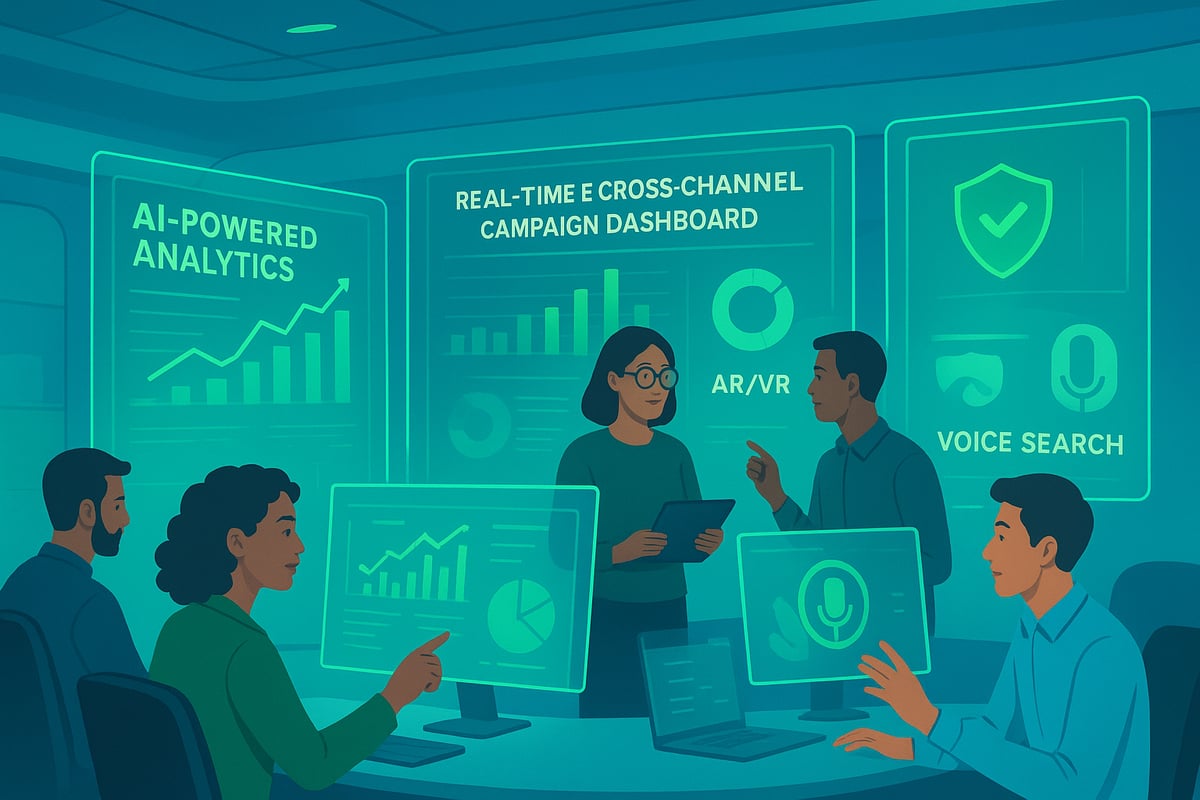
Automation and artificial intelligence have revolutionised how an ads agency operates. In 2026, agencies rely on machine learning for smarter bidding, predictive analytics, and audience targeting. Automated bidding strategies, such as Target CPA and Smart Bidding, remove guesswork, delivering more efficient campaign performance.
AI-driven tools streamline creative testing and budget allocation. This allows teams to focus on strategy and innovation rather than repetitive tasks. If you want to explore how these advances are transforming agencies, read this in-depth AI transforming marketing agencies article.
Embracing automation gives your ads agency a competitive edge, ensuring campaigns are optimised in real time and maximising ROI.
Personalisation and Audience Segmentation
Personalisation has become the cornerstone of every successful ads agency strategy. In 2026, agencies use advanced segmentation based on demographics, interests, and behaviours. Dynamic creative adapts messaging to each user, making ads more relevant and engaging.
First-party data plays a crucial role, especially with increased privacy regulations. Agencies leverage customer insights from CRM systems, website interactions, and app usage to build detailed audience profiles. This enables tailored campaigns that resonate with specific segments.
An ads agency that excels in personalisation can dramatically increase engagement and conversion rates, giving your business a measurable advantage.
Omnichannel and Cross-Platform Strategies
Consumers interact with brands across many platforms, making integrated approaches essential for any modern ads agency. In 2026, successful agencies unify campaigns across search, social, display, video, and even offline touchpoints.
Unified measurement and multi-touch attribution allow agencies to optimise the customer journey, ensuring each channel contributes to overall goals. Real-time dashboards provide a complete view of performance.
An ads agency with true omnichannel capabilities ensures your brand reaches customers wherever they are, maximising impact at every stage of the funnel.
Privacy, Compliance, and Data Security
With evolving privacy laws like GDPR and CCPA, every ads agency must prioritise data security and compliance. In 2026, agencies implement advanced consent management platforms and cookieless tracking solutions to maintain trust and transparency.
Key steps for compliance include:
- Regular audits of data collection practices
- Transparent privacy policies
- Ethical use of customer data
An ads agency that takes privacy seriously protects your reputation and ensures your campaigns remain effective in a privacy-first world.
Voice, Visual, and New Ad Formats
Voice search, visual discovery, and immersive ad experiences are reshaping how an ads agency reaches audiences. In 2026, agencies deploy campaigns for smart speakers, shoppable visual ads on social platforms, and interactive AR/VR experiences.
These new formats demand creative agility and technical expertise. Agencies experiment with conversational ads and visual search to connect with users in innovative ways.
Partnering with an ads agency that pioneers new formats keeps your brand ahead of competitors and taps into emerging consumer habits.
Sustainability and Ethical Advertising
Consumers now expect brands and agencies to act responsibly. A forward-thinking ads agency adopts sustainable practices, prioritises eco-friendly ad placements, and ensures diverse representation in creative assets.
Agencies are also transparent about supply chains and carbon footprints. Ethical advertising builds trust and loyalty, especially among younger audiences.
Choosing an ads agency with strong ethical standards positions your brand as a leader in both performance and corporate responsibility.
Step-by-Step Guide: Launching a Successful Campaign with an Ads Agency
Launching a digital campaign with an ads agency in 2026 is a collaborative journey that blends strategy, creativity and data. Each stage builds the foundation for measurable success. By following this step-by-step guide, you will unlock the full potential of your partnership and ensure your business achieves its digital advertising goals.
Step 1: Initial Consultation and Goal Setting
Every successful campaign with an ads agency begins with a thorough discovery process. The agency schedules a consultation to understand your business, target audience and objectives. This is the time to discuss your growth targets, such as increasing website traffic, generating leads, boosting sales or raising brand awareness.
Together, you define key performance indicators (KPIs) that align with your business ambitions. Typical KPIs might include cost per acquisition, conversion rate or return on ad spend. Setting clear expectations early ensures both your team and the ads agency are aligned on deliverables and timelines. This step sets the tone for a transparent, results-driven partnership.
Step 2: Strategy Development and Proposal
Once goals are established, the ads agency conducts market research and competitor analysis. This includes profiling your ideal customers, identifying their online behaviours and mapping out the digital landscape relevant to your sector.
The agency then creates a tailored strategy, selecting the most effective channels, such as paid search, social, display or programmatic. A detailed proposal outlines the recommended approach, budgets, timelines and expected outcomes. This document serves as a blueprint for your campaign, providing clarity and accountability from the outset.
Step 3: Campaign Setup and Creative Production
With the strategy approved, the ads agency moves on to technical setup and creative development. This involves structuring ad accounts, configuring tracking tools and ensuring your campaigns are compliant with platform policies. The agency crafts compelling ad copy, designs engaging visuals and develops high-converting landing pages.
For businesses focused on paid search, a thorough Google Ads setup guide can help demystify account creation and keyword planning. At this stage, attention to detail ensures your campaigns are optimised from day one, maximising your chances of strong performance.
Step 4: Launch, Testing, and Optimisation
The campaign goes live with a soft launch, allowing the ads agency to monitor performance closely from the start. Early data provides valuable insights into user behaviour, ad engagement and conversion rates. The agency employs A/B testing to compare different ad creatives, landing pages and audience segments.
Continuous optimisation is key. The agency makes data-driven adjustments, fine-tuning bids, targeting and creative elements to improve results. By reacting quickly to real-time feedback, your ads agency ensures your budget is used efficiently and your campaign stays on track for success.
Step 5: Ongoing Management and Reporting
Effective campaign management relies on regular performance reviews and transparent reporting. The ads agency provides access to real-time dashboards, giving you a clear view of key metrics and progress towards your goals.
Frequent communication is essential. The agency shares actionable insights, highlights wins and identifies opportunities for further improvement. As your campaign evolves, the agency reallocates spend, scales winning strategies and addresses any challenges. This ongoing cycle of optimisation ensures you continue to see measurable results.
Step 6: Learning, Scaling, and Innovation
After each campaign cycle, the ads agency conducts a thorough review to capture insights and lessons learned. These findings inform future strategies, helping your business stay ahead in a rapidly changing digital landscape. Agencies also explore new ad formats, emerging platforms and automation tools to keep campaigns fresh and competitive.
For businesses aiming to accelerate growth, adopting effective business growth strategies can provide a competitive edge. Your ads agency is your innovation partner, encouraging continuous testing and adaptation to maximise your long-term ROI and market presence.
Measuring Success: KPIs and ROI in Modern Ad Campaigns
Understanding how to measure the results of your digital campaigns is critical for any business working with an ads agency. Setting clear performance indicators and tracking returns ensures your investment delivers real value. Let us break down the key metrics, tools, and techniques that define digital advertising success in 2026.
Defining the Right KPIs for Your Campaign
Choosing the right KPIs is the cornerstone of campaign measurement for any ads agency. KPIs, or Key Performance Indicators, are metrics that reflect your campaign’s progress towards business goals.
Common digital advertising KPIs include:
- Clicks and Click-Through Rate (CTR)
- Conversions and Conversion Rate
- Cost Per Acquisition (CPA)
- Return on Ad Spend (ROAS)
- Impression Share
It is vital to align these KPIs with your specific objectives. For example, a lead generation campaign might focus on CPA and conversion volume, while an ecommerce brand prioritises ROAS and sales. Agencies often showcase results such as millions of sales leads delivered, demonstrating their ability to drive tangible outcomes. By setting tailored KPIs, you and your ads agency can track what truly matters for your business.
| KPI | Ideal Use Case | Example Objective |
|---|---|---|
| CPA | Lead Generation | Get leads at £20 each |
| ROAS | Ecommerce Sales | 5x return on ad spend |
| Impression Share | Brand Awareness | Reach 80% of target demo |
Attribution and Multi-Touch Measurement
Attribution models help you understand which channels and touchpoints contribute most to conversions. An ads agency will guide you in choosing between models like last-click, first-click, or multi-touch attribution.
Multi-touch attribution distributes credit across every interaction a user has with your brand. This is crucial in today’s cross-device, omnichannel world, where customers may click an ad on mobile, research on desktop, and convert later.
Advanced tracking tools, such as Google Analytics and third-party attribution platforms, enable agencies to monitor user journeys across channels. This empowers businesses to make data-driven decisions and optimise spend. Your ads agency should regularly review attribution data, ensuring your marketing mix is working in harmony to achieve your goals.
Analysing Campaign Performance and Insights
An ads agency provides detailed reports and dashboards to make sense of campaign data. These tools help you interpret which creatives, channels, and audiences perform best.
Key areas to analyse include:
- Top-performing keywords and ads
- Audience segments with highest conversion rates
- Channels delivering the best ROI
With regular performance reviews, you and your ads agency can identify trends and spot opportunities for improvement. Data-driven insights are the basis for refining targeting, creative, and budget allocation. This continuous feedback loop is what turns good campaigns into great ones.
Calculating and Maximising ROI
Understanding your return on investment is essential for evaluating an ads agency’s effectiveness. ROI measures how much profit your campaigns generate relative to spend.
The basic ROI formula is:
ROI = (Revenue from Ads - Cost of Ads) / Cost of Ads
Industry benchmarks suggest strong campaigns consistently deliver positive ROI, but the landscape is shifting rapidly. For example, the retail media networks’ explosive growth is driving new opportunities and competition, projected to impact digital ad spend massively by 2026.
Your ads agency should help you reduce wasted spend, reallocate budget to high-performing tactics, and set realistic ROI targets. With transparent reporting, you can see exactly where your money goes and how it translates into results.
Leveraging Insights for Future Campaigns
The best ads agency will not only report on current performance but also help you apply learnings to future campaigns. Analysing past campaigns allows you to spot emerging platforms, test new ad formats, and refine audience targeting.
In 2026, the convergence of entertainment, social, and commerce is opening up fresh opportunities for advertisers. Agencies leveraging these insights can help brands innovate and stay ahead of the curve. To explore more about this trend, see the convergence of entertainment, social, and commerce.
Building a data-driven culture with your ads agency ensures your marketing strategy evolves with the industry, keeping your business competitive and agile.
Common Measurement Mistakes and How to Avoid Them
Even experienced businesses and agencies can stumble when it comes to measurement. Watch out for these common pitfalls:
- Misattributing conversions to the wrong channel
- Focusing on vanity metrics like impressions over conversions
- Ignoring the impact of offline or long-term brand building
To avoid these issues, your ads agency should conduct regular tracking audits, ensure accurate data, and focus on KPIs that align with your real business outcomes. By maintaining rigorous standards, you set the stage for sustainable growth and reliable measurement.