Advertising Agency Marketing: The Essential Guide for 2026
In 2026, advertising agency marketing is evolving rapidly, with 82% of agencies investing more in digital transformation than ever before. This shift is driven by fierce competition, fast-paced technological change, and clients who expect agility and measurable results.
Agencies now face the challenge of standing out in a crowded market while adapting to new tools and rising client demands. Success requires more than creativity—it demands innovative, data-driven, and client-centric marketing approaches.
To help your agency thrive, this guide offers actionable strategies, essential tools, and expert insights tailored for advertising agency marketing in 2026.
You will discover the latest market trends, effective branding techniques, powerful digital strategies, client acquisition tips, technology solutions, and performance measurement methods.
The 2026 Advertising Agency Landscape: Trends and Challenges
The landscape of advertising agency marketing in 2026 is defined by rapid transformation and fresh challenges. Agencies must navigate evolving client expectations, technological disruption, and increased competition to remain relevant and successful. These shifts demand agility, innovation, and a clear understanding of emerging trends in advertising agency marketing.

Evolving Client Expectations
Clients in 2026 expect more from advertising agency marketing than ever before. The focus is on measurable return on investment, full transparency, and the ability to pivot rapidly as markets change. Many clients now favour performance-based contracts, tying agency fees directly to campaign outcomes. This shift raises the stakes for agencies, demanding greater accountability and proactive communication.
The Rise of Integrated Marketing
Integrated marketing has become a cornerstone of advertising agency marketing strategies. Agencies blend digital, traditional, and experiential channels to deliver seamless campaigns. According to the Agency Census 2025, 68% of agencies now offer integrated solutions. This approach creates cohesive brand experiences and helps agencies meet clients’ growing demand for consistent messaging across every touchpoint.
Increased Competition and Niche Specialisation
Competition in advertising agency marketing is intensifying, fuelled by the rise of boutique and specialist agencies. Many firms carve out niches in areas like AI-driven creative or influencer marketing, offering tailored expertise that larger agencies may lack. This specialisation helps agencies stand out in a crowded market, attracting clients seeking innovative and highly focused solutions.
Technology Disruption: AI, Automation, and Data
The pace of technological change is reshaping advertising agency marketing. AI tools are revolutionising media buying, content creation, and analytics, making processes faster and more precise. Programmatic ad spend in the UK is projected to reach £20bn by 2026. For a deeper look at how AI is transforming the sector, see AI Transforming Marketing Agencies.
Regulatory and Privacy Challenges
Stricter data privacy regulations, including successors to GDPR, are fundamentally changing how advertising agency marketing operates. Agencies must develop strategies that ensure compliance while still delivering targeted and personalised campaigns. Building client trust through transparent data usage and robust privacy protocols is now a non-negotiable aspect of the agency-client relationship.
Talent Acquisition and Retention
Securing and retaining top talent is a persistent challenge in advertising agency marketing. Agencies seek professionals with hybrid skills in creativity, technology, and analytics. However, 43% of agencies report difficulties in hiring qualified digital talent. Investing in training, flexible work arrangements, and a compelling agency culture is essential to attract and keep the right people.
Sustainability and Social Responsibility
Sustainability and social responsibility are now central to advertising agency marketing. Agencies increasingly integrate ESG (Environmental, Social, Governance) principles into campaigns. Brands are prioritising partnerships with agencies that demonstrate a genuine commitment to green practices. This trend not only aligns with consumer expectations but also strengthens long-term client relationships.
Globalisation and Localisation
Advertising agency marketing in 2026 requires balancing global reach with hyper-local relevance. Agencies must design campaigns that resonate across diverse markets while maintaining authenticity within local communities. This dual focus ensures brands can achieve scale without losing the personal touch that drives engagement and loyalty.
Building a Distinctive Agency Brand in 2026
In the fast-evolving world of advertising agency marketing, building a distinctive brand is more than a visual exercise. Agencies must stand out in a crowded field, create trust, and communicate value at every touchpoint. A compelling agency brand is essential for attracting clients, retaining top talent, and driving long-term growth.
Defining and Communicating Your Unique Value Proposition
A clear value proposition is the foundation of effective advertising agency marketing. Agencies must articulate what sets them apart, whether it is sector expertise, technical innovation, or a unique creative approach. For example, some agencies are renowned for their data-driven creativity, while others lead with sector-specific knowledge. By defining and consistently communicating this value, agencies can attract ideal clients and build a reputation that supports sustainable growth in the competitive 2026 landscape.
Visual Identity and Consistency
Visual identity is a critical pillar of advertising agency marketing, shaping how clients perceive and trust an agency. Consistent use of logos, colour palettes, and brand guidelines ensures a unified presence across all platforms. Many agencies invest in rebranding to signal evolution and increase client inquiries. For deeper insight into the process, see Brand Identity Strategies for actionable guidance on creating a compelling agency image.
Thought Leadership and Content Marketing
Establishing authority in advertising agency marketing requires thought leadership and robust content marketing. Agencies that publish industry insights, whitepapers, and host webinars build credibility and trust. Research shows that 72% of clients review online content before engaging an agency. By sharing expertise and innovative perspectives, agencies not only attract new business but also foster loyalty among existing clients and partners.
Leveraging Social Proof and Case Studies
Showcasing success stories is a powerful tactic in advertising agency marketing. Agencies can build credibility by highlighting award-winning campaigns, client testimonials, and measurable results. Prospective clients seek evidence of past achievements before making decisions. Sharing detailed case studies and leveraging social proof on websites and social media platforms enhances trust and positions the agency as a reliable partner.
Employee Advocacy and Internal Branding
Empowering employees as brand ambassadors is increasingly vital in advertising agency marketing. Staff who share agency content, participate in industry events, or contribute thought leadership amplify the brand’s reach. Internal branding initiatives, such as training and recognition, foster a strong culture. Motivated employees who live the brand values help attract both clients and top talent, reinforcing the agency’s reputation.
Community Engagement and CSR Initiatives
Modern clients expect agencies to demonstrate social responsibility. Community involvement and CSR initiatives are now integral to advertising agency marketing. Agencies support local causes, run purpose-driven campaigns, and partner with charities to build goodwill. These actions create positive associations, differentiate the agency, and help attract clients who prioritise ethical and sustainable business practices.
Brand Monitoring and Reputation Management
Active brand monitoring is essential for protecting reputation in advertising agency marketing. Agencies use digital tools to track online mentions, client feedback, and public sentiment. Proactive management allows for quick responses to issues, minimising risks and building trust. Regular reputation audits and crisis management plans ensure the agency remains resilient, responsive, and respected in the dynamic marketing environment.
Digital Marketing Strategies for Agency Growth
The digital landscape in 2026 presents both opportunities and complexities for advertising agency marketing. Agencies must blend innovation, technology, and creativity to remain competitive. Let us explore the most effective strategies shaping agency growth today.
Multi-Channel Campaign Planning
Success in advertising agency marketing now hinges on orchestrating campaigns across multiple touchpoints. Agencies must align SEO, PPC, social media, email, and content marketing for cohesive messaging and maximum reach.
Consider a campaign that leverages SEO to build awareness, PPC for targeted conversions, social for engagement, and email for nurturing leads. Cross-channel efforts like these can boost lead generation by 35 percent. For a deeper understanding of emerging approaches, review the latest Digital Marketing Trends for 2026.
A well-structured plan involves mapping each channel’s role, ensuring consistency, and using analytics to measure performance. Multi-channel integration is now essential for agencies aiming to deliver measurable results.
Data-Driven Decision Making
Modern advertising agency marketing relies on robust analytics to guide every decision. Agencies use platforms such as Google Analytics 4, HubSpot, and Tableau to track campaign performance, optimise spend, and uncover actionable insights.
Data-driven strategies allow agencies to allocate budgets effectively, identify underperforming channels, and prove ROI to clients. Agencies that prioritise analytics can pivot quickly, addressing challenges as they arise. This approach ensures that every pound spent is accountable and contributes to business objectives.
In 2026, the difference between good and great agencies often lies in their ability to harness data for continuous improvement.
Personalisation and Customer Journey Mapping
Personalisation is at the heart of effective advertising agency marketing. Agencies are now mapping customer journeys in detail, tailoring content and touchpoints to each stage.
Personalised campaigns have been shown to deliver three times higher engagement rates. By segmenting audiences and adapting messages, agencies can create experiences that resonate more deeply. Tools for mapping and automation help streamline this process, ensuring no opportunity for connection is missed.
Understanding where each client is in their journey allows agencies to deliver the right message at the right time, enhancing satisfaction and loyalty.
Content Creation and Storytelling
Content remains a cornerstone of advertising agency marketing. High-value blogs, videos, podcasts, and interactive formats engage audiences and build authority.
Agencies are increasingly experimenting with AR and VR to create immersive brand experiences. For instance, a campaign using virtual reality can transport users into a brand story, fostering deeper emotional connections.
Effective storytelling blends data, creativity, and strategy. The goal is to inform, inspire, and move audiences to action, ensuring the agency stands out in a crowded digital space.
Social Media and Influencer Partnerships
Social media platforms continue to evolve, offering new opportunities for advertising agency marketing. Agencies are leveraging emerging channels like TikTok and Threads, as well as partnering with micro-influencers to extend reach.
Influencer campaigns can yield returns up to eleven times higher than traditional methods. Agencies curate authentic voices that align with client values, building trust and credibility.
A strategic approach to social media requires agility, trend awareness, and a commitment to genuine engagement.
Paid Media and Programmatic Advertising
Paid media is more sophisticated than ever in advertising agency marketing. Programmatic advertising automates placements, optimises targeting, and increases efficiency.
By 2026, programmatic ads account for 85 percent of digital display spend. Agencies use AI to analyse data, adjust bids, and refine audience segments in real time.
This level of automation enables agencies to scale campaigns quickly and deliver measurable results for clients, keeping them ahead of the competition.
SEO and Voice Search Optimisation
SEO is evolving rapidly as voice assistants and conversational search become mainstream. In advertising agency marketing, optimising for voice queries is now essential, with 40 percent of searches conducted via voice.
Agencies adapt by focusing on natural language, featured snippets, and local search optimisation. Strategies include updating content for question-based queries and ensuring websites are technically sound for voice indexing.
Staying ahead in SEO requires constant learning and adaptation to new search behaviours.
Email Marketing and Automation
Email marketing remains an effective pillar of advertising agency marketing. Modern tactics include audience segmentation, drip campaigns, and AI-driven personalisation.
Tools like Mailchimp and ActiveCampaign automate much of the process, allowing agencies to deliver the right message to the right audience at the right time. Automation enhances engagement and increases the likelihood of conversion.
With careful planning, email campaigns nurture leads and build long-term client relationships.
OxD PR: Integrated Digital Marketing Solutions for Agencies
OxD PR delivers comprehensive digital marketing services tailored for advertising agency marketing. Their expertise spans web design, SEO, branding, and multi-channel campaigns, all designed to boost visibility and conversions.
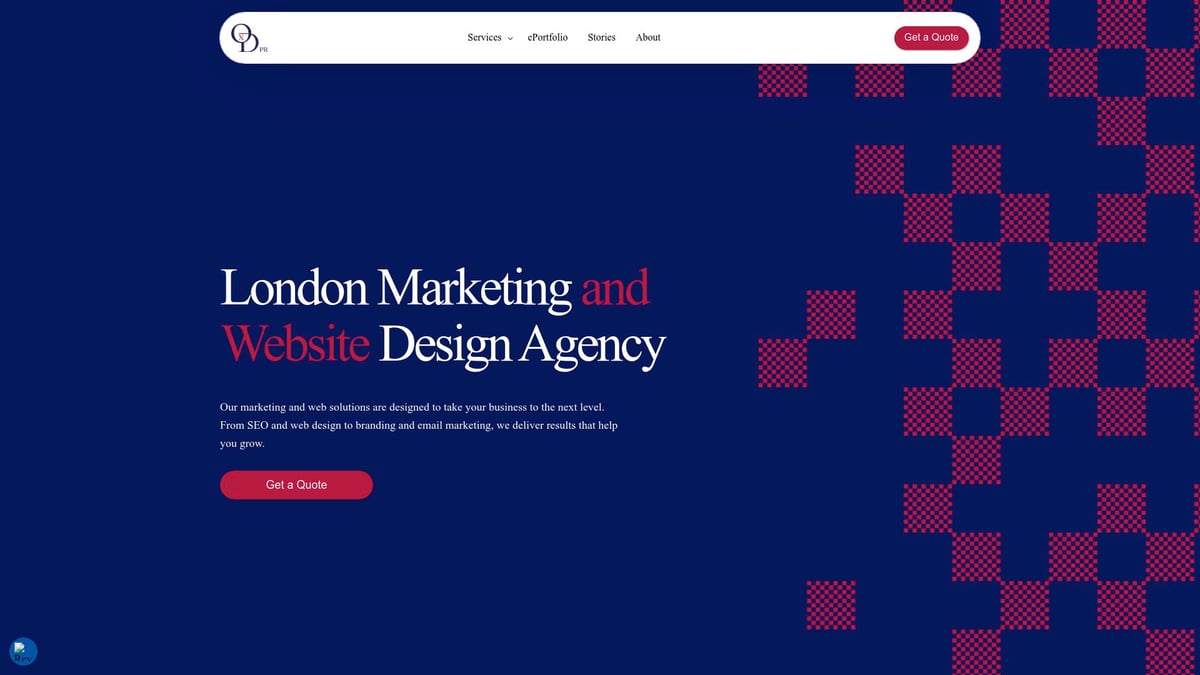
Agencies partnering with OxD PR benefit from a unified approach that aligns with 2026 trends and client expectations. Real-world examples showcase measurable improvements in lead generation and client satisfaction.
OxD PR’s results-driven methods empower agencies to stay relevant, competitive, and ready to seize future opportunities.
Client Acquisition and Retention in a Competitive Market
Client acquisition and retention are the lifeblood of advertising agency marketing in 2026. With a crowded landscape and evolving client demands, agencies must combine strategic outreach with exceptional service to stand out. Let us explore the key elements shaping success for agencies seeking not only to attract clients but also to build lasting partnerships.

Identifying and Targeting Ideal Clients
A successful approach to advertising agency marketing begins with a clear understanding of the ideal client profile. Agencies are investing in detailed client personas, mapping industry, company size, budget, and pain points. This data-driven targeting allows for more precise outreach and higher-quality leads.
Advanced tools such as LinkedIn Sales Navigator empower agencies to identify and connect with decision-makers in target sectors. By refining outreach strategies, agencies ensure their advertising agency marketing efforts focus on prospects with the highest potential for long-term value.
Consultative Selling and Value-Based Pitches
Transactional sales are giving way to a more consultative approach in advertising agency marketing. Agencies are prioritising understanding client needs and tailoring solutions that address specific challenges. This shift is paying off, as agencies using consultative sales close 30 percent more deals.
For further insights on how agencies are adapting their strategies, see Marketing Agencies Reshaping Strategies. Value-based pitches, supported by case studies and business outcomes, help agencies build trust and credibility in a competitive market.
Nurturing Leads Through the Funnel
Lead nurturing is a core pillar of advertising agency marketing. Engaging prospects at multiple touchpoints, from webinars and workshops to personalised follow-ups, keeps the agency top-of-mind. Multi-channel engagement, including email sequences and social media interactions, supports prospects throughout their decision journey.
Personalised content and regular check-ins demonstrate expertise and commitment. This approach not only increases conversion rates but also builds stronger relationships with future clients in advertising agency marketing.
Onboarding and Client Experience
First impressions matter in client onboarding. Agencies are streamlining onboarding processes to set clear expectations and deliver a professional experience from day one.
Best practices include:
- Welcome kits tailored to client needs
- Digital onboarding portals for transparency
- Scheduled kick-off meetings to align goals
These steps ensure clients feel valued and confident in their choice of agency.
Delivering Measurable Results and Reporting
Transparency is critical in advertising agency marketing. Clients expect clear reporting on performance and ROI. Agencies provide real-time dashboards and frequent reviews, allowing clients to track progress and outcomes.
According to recent data, 67 percent of clients cite transparent reporting as a top retention factor. By prioritising measurable results, agencies strengthen relationships and foster long-term loyalty in advertising agency marketing.
Building Long-Term Partnerships
Sustainable growth in advertising agency marketing relies on nurturing long-term partnerships. Agencies are moving beyond project work to offer ongoing value through upselling, cross-selling, and proactive account management.
Dedicated client success teams play a pivotal role, with agencies adopting this model seeing 40 percent higher retention rates. Regular strategy sessions and performance reviews ensure clients’ evolving needs are met and exceeded.
Handling Client Feedback and Conflict Resolution
Open communication channels are essential for gathering client feedback. Agencies implement structured systems, such as surveys and feedback portals, to capture insights and address concerns promptly.
Effective conflict resolution is underpinned by transparency, empathy, and a solutions-oriented mindset. Agencies that handle disputes professionally not only resolve issues but also reinforce client trust and loyalty.
The Role of Technology in Agency Marketing
Technology is at the heart of advertising agency marketing in 2026. Agencies are leveraging advanced tools to streamline workflows, improve creativity, and deliver measurable outcomes for clients. Embracing innovation is no longer optional; it is essential for agencies aiming to stay competitive and relevant.
AI-Powered Campaigns and Creative Tools
Artificial intelligence is reshaping advertising agency marketing. Agencies now use AI for everything from predictive analytics to automated content creation. For instance, AI-driven copywriting tools can generate multiple creative variations quickly, while predictive models optimise media spend in real time. According to AI’s Impact on Marketing Performance, AI has cut campaign setup times by half and is driving smarter, data-backed decisions.
Martech Stack Integration
A robust martech stack is vital for agencies managing complex campaigns. Integrating platforms such as CRM, automation, and analytics tools enables seamless data flow and improved collaboration. Popular stacks include Salesforce, HubSpot, and Marketo. When systems work together, agencies can track client journeys, automate reporting, and personalise outreach at scale, making technology a central pillar of modern agency operations.
Automation for Efficiency and Scale
Automation is transforming advertising agency marketing by enabling agencies to scale operations without sacrificing quality. Workflow automation tools handle repetitive tasks like proposal generation, reporting, and billing, freeing teams to focus on strategy and creativity. Platforms such as Zapier and Asana automate routine processes, while campaign reporting automation saves agencies up to 15 hours per week, allowing more time for high-value client work.
Virtual Collaboration and Remote Work Tools
The shift to hybrid and remote working models means agencies depend on virtual collaboration tools. Platforms like Slack, Asana, and Miro facilitate real-time communication, project management, and brainstorming across distributed teams. These tools ensure teams remain productive and connected, regardless of location, supporting seamless delivery in advertising agency marketing.
Data Security and Compliance
As data privacy regulations evolve, agencies must prioritise data security and compliance in advertising agency marketing. GDPR successors and stringent privacy laws require robust systems for storing and handling client information. Agencies are implementing advanced encryption, regular audits, and transparent data practices to maintain client trust and avoid costly breaches.
Innovation: Exploring New Technologies
Staying ahead in advertising agency marketing means embracing emerging technologies. Agencies are experimenting with AR, VR, blockchain, and metaverse marketing to create immersive brand experiences. Early adoption of these tools differentiates agencies and opens new creative possibilities, positioning them as forward-thinking partners ready for the future.
Measuring Success: KPIs and Optimisation for 2026
In 2026, effective advertising agency marketing demands rigorous measurement and optimisation. Agencies must prove value through transparent, data-driven reporting and continuous improvement. Mastering KPIs and agile optimisation is the backbone of sustainable growth in an industry where every result counts.
Setting SMART Goals and KPIs
Success begins with setting SMART (Specific, Measurable, Achievable, Relevant, Time-bound) goals. In advertising agency marketing, KPIs like Customer Acquisition Cost (CAC), Customer Lifetime Value (CLV), Return on Ad Spend (ROAS), and brand lift are critical. Agencies should align these with client objectives to ensure every campaign delivers against agreed outcomes.
A simple KPI table might look like this:
| KPI | Definition | Target (Example) |
|---|---|---|
| CAC | Cost to acquire a new customer | £150 |
| CLV | Value of a client over time | £1,200 |
| ROAS | Revenue per pound spent | 4:1 |
| Brand Lift | Brand awareness increase | +12% |
Real-Time Analytics and Dashboards
Analytics platforms now offer real-time dashboards, empowering agencies to act on live data. With tools like Google Data Studio and Tableau, teams can monitor campaign performance and adapt quickly.
Instant access to meaningful metrics helps agencies make informed decisions, spot trends, and address issues before they escalate. This agility is especially vital as advertising agency marketing shifts towards outcome-based models.
Attribution Modelling and ROI Tracking
Modern attribution modelling is essential for understanding how different touchpoints contribute to conversions. Multi-touch attribution provides clarity on the customer journey, ensuring credit is assigned accurately across channels.
Agencies using advanced attribution models often see 22% higher ROI. This measurement discipline enables advertising agency marketing teams to optimise spend, refine strategies, and prove value to clients.
Continuous Optimisation and A/B Testing
Ongoing optimisation is at the heart of high-performing advertising agency marketing. A/B testing landing pages, creative assets, and messaging allows teams to iterate and improve based on real results.
For actionable tactics, Digital Marketing Tactics for Agencies offers a practical guide to testing and refining campaigns. Regular optimisation can increase conversion rates by up to 18%, driving measurable growth for agency clients.
Benchmarking and Industry Standards
Comparing performance against industry benchmarks is crucial for context. Agencies should reference sources like Agency Performance Benchmarks 2026 to assess how their results stack up.
For additional insight, Marketing Agency in London Insights provides localised trends and standards, helping agencies calibrate their KPIs and stay competitive.
Client Reporting and Communication
Transparent, actionable reporting builds trust and long-term client relationships. Agencies should use clear dashboards and regular updates to communicate results, insights, and next steps.
Tools such as DashThis and AgencyAnalytics streamline reporting, making it easy to share performance data and recommendations. Effective communication ensures clients understand the impact of advertising agency marketing efforts.
Learning from Failures and Adapting
No campaign is perfect. Leading agencies view setbacks as opportunities to learn and improve. By analysing failures and pivoting strategies, teams foster a culture of innovation and resilience.
Continuous adaptation keeps advertising agency marketing responsive to market shifts and client needs, ensuring agencies remain relevant and successful in 2026.