The Essential Guide to Choosing a Digital Experience Agency 2026

In 2026, delivering an exceptional digital experience is more critical than ever for business growth and customer retention. With customers engaging across multiple digital touchpoints, many brands struggle to create seamless journeys that truly resonate. Choosing the right digital experience agency can give your business a decisive competitive advantage. This guide provides a clear, step-by-step approach to help you confidently select the best partner for your needs. We will demystify the process, explore essential criteria, review industry trends, and outline practical steps. You will learn how to define your objectives, evaluate agencies, assess capabilities, and navigate contracts with confidence.
Understanding Digital Experience in 2026
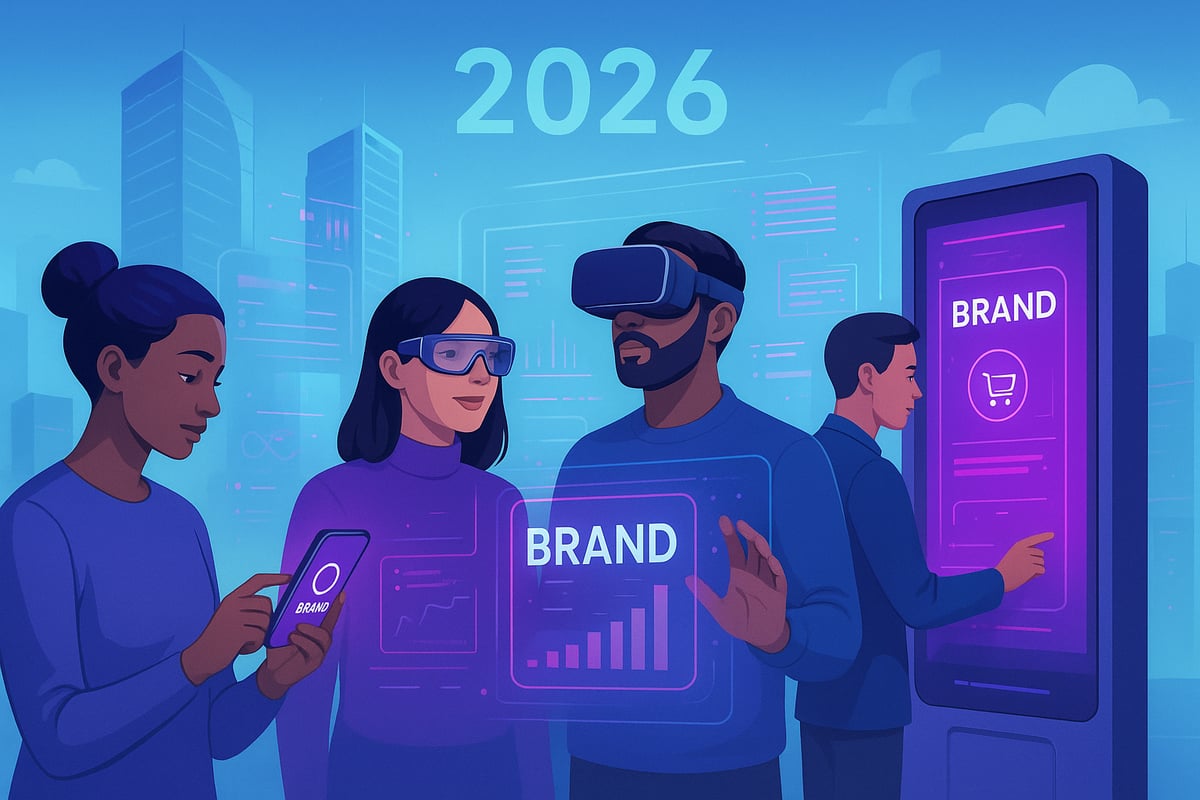
Digital experience in 2026 is the sum of every digital interaction a customer has with a brand. It extends far beyond a single website or app, encompassing all digital touchpoints, from social media and chatbots to immersive environments. As customers expect seamless, consistent, and engaging journeys, the need for businesses to partner with a digital experience agency has never been greater.
What is Digital Experience in 2026?
At its core, digital experience (DX) refers to the holistic perception customers form from all their digital brand interactions. In 2026, this means customers expect hyper-personalised, frictionless engagements whether shopping online, using voice assistants, or exploring products in augmented reality. A digital experience agency helps brands orchestrate these touchpoints, ensuring each interaction is optimised for satisfaction and consistency.
The Evolution of Digital Experience
The journey of digital experience began with basic websites and email campaigns. Over time, it evolved to include responsive web design, mobile apps, and integrated social media. Today, digital experience is omnichannel by default, blending physical and digital worlds. AI-driven personalisation, predictive analytics, and real-time content delivery are now standard, making the role of the digital experience agency central to staying competitive.
Emerging Technologies Shaping DX
Emerging technologies are fundamentally reshaping digital experience. Artificial intelligence enables advanced personalisation, while automation streamlines customer journeys across channels. Data analytics provides deep insights into user behaviour, driving smarter business decisions. Immersive UX, including AR and VR, creates memorable, interactive experiences that foster loyalty. For a deeper dive into how these technologies are transforming customer engagement, see Emerging Technologies Impacting Digital Experiences. A digital experience agency continuously adapts to these trends to deliver innovative solutions.
The Business Impact of DX
Investing in digital experience directly impacts business outcomes. According to recent studies, brands that prioritise DX report up to 25% higher conversion rates and increased customer lifetime value. For example, an ecommerce retailer that optimised its checkout process and personalised recommendations saw double-digit growth in repeat purchases. A digital experience agency leverages data and technology to identify pain points, implement solutions, and drive measurable growth.
DX Agencies vs. Traditional Digital Agencies
A digital experience agency differs from traditional digital agencies by focusing on the entire customer journey, not just isolated marketing or design projects. While traditional agencies may excel in SEO or web development, DX agencies integrate strategy, technology, and creativity to deliver unified, customer-centric experiences. Common misconceptions include viewing digital experience as a one-off project or confusing it with basic website updates. In reality, effective DX requires ongoing optimisation, cross-functional expertise, and a holistic approach.
Defining Your Business Needs and Objectives
Understanding your organisation’s unique requirements is the critical first step before partnering with a digital experience agency. By clarifying your goals and challenges, you lay the foundation for a productive, results-driven relationship.

Identify Digital Pain Points
Begin by pinpointing the digital challenges your business faces. Are you struggling with low online conversions, poor engagement rates, or inconsistent experiences across channels? Common pain points include:
- Fragmented customer journeys
- Slow website performance
- Ineffective mobile experiences
- Low conversion rates
- Limited personalisation
Recognising these issues helps you communicate your needs clearly to any digital experience agency.
Set Measurable Business Objectives
Next, define what you want to achieve. Setting clear, measurable objectives ensures your digital experience agency can align its strategy with your vision. Objectives might include:
- Increasing revenue and online sales
- Improving Net Promoter Score (NPS)
- Enhancing customer retention rates
- Differentiating your brand in a crowded market
Be specific and prioritise objectives that will have the most significant impact on your business.
Map the Customer Journey
Understanding your customer journey is essential. Identify all digital touchpoints, from first website visit to post-purchase support. Look for gaps or friction points that hinder a seamless experience.
For example, a retailer might discover that while their desktop site performs well, the mobile checkout process leads to high abandonment rates. By mapping these touchpoints, you can highlight areas where a digital experience agency’s expertise is most needed.
Assess Internal Capabilities
Evaluate what your team can handle internally versus where external expertise is required. Consider the following questions:
- Do you have in-house UX or data analytics skills?
- Can your team manage complex integrations or marketing automation?
- Is there capacity for ongoing optimisation and testing?
This assessment ensures you invest in a digital experience agency for areas that will drive the most value.
Plan Budget and Resource Allocation
Determine the budget and resources you can dedicate to digital experience initiatives. Factor in both immediate project costs and ongoing optimisation. Remember, investing in the right digital experience agency can yield significant returns over time.
Align DX Goals with Business Strategy
Your digital experience objectives should support your broader business strategy. For instance, if your goal is to become a market leader in customer satisfaction, focus on personalisation and seamless omnichannel journeys. Ensuring this alignment helps your digital experience agency create solutions that deliver measurable business outcomes.
Prepare a Requirements Brief
Finally, create a detailed requirements brief. This document should outline your pain points, objectives, customer journey insights, internal capabilities, and budget. A well-prepared brief streamlines the agency selection process and helps candidates propose tailored solutions.
If you need inspiration on how creative strategy can enhance your requirements, explore these creative strategy agencies insights for guidance on aligning agency services with your business goals.
Defining your needs and objectives is not just a preliminary step, but the cornerstone of a successful digital transformation. With clarity and purpose, you are ready to find the digital experience agency that will accelerate your growth and deliver lasting value.
Key Criteria for Evaluating Digital Experience Agencies
Selecting the right digital experience agency can define your brand’s success in 2026. With so many options available, it is essential to evaluate each agency against a clear set of criteria. This ensures you not only meet your immediate digital needs, but also build a partnership that can scale with your ambitions.

Agency Expertise and Specialisation
Begin by assessing the agency’s core expertise. Does the digital experience agency have a proven track record in your sector? Look for agencies with a history of delivering measurable results in digital experience, not just general marketing.
Specialisation is key. Some agencies focus on ecommerce, others on B2B platforms or mobile-first solutions. Choosing a digital experience agency with relevant sector experience increases the likelihood of success.
Portfolio and Proven Results
Review the agency’s portfolio and case studies. A reputable digital experience agency should showcase work that demonstrates innovation, creativity, and tangible business impact.
Seek out examples where the agency delivered increased conversions, improved user engagement, or solved complex digital challenges. For instance, a B2B SaaS firm might select an agency based on its expertise in conversion rate optimisation and analytics.
Technology Stack and Partnerships
A modern digital experience agency must be fluent in the latest technologies. Evaluate their use of AI, data analytics, marketing automation, and integration with leading platforms.
Technology partnerships, such as collaborations with Google or Microsoft, can indicate credibility and access to advanced tools. The right digital experience agency should be agile and future-ready, capable of adopting emerging tech as your needs evolve.
Team Qualifications and Approach
People make the difference. Assess the agency’s team structure and qualifications. Look for a blend of UX strategists, data scientists, creative leads, and developers. This diversity ensures a holistic approach to digital experience.
Understand their approach to strategy and execution. Does the agency offer bespoke solutions, or do they rely on one-size-fits-all methods? A tailored approach is usually a sign of maturity and adaptability.
Reputation, Reviews, and Transparency
Client testimonials and third-party reviews offer valuable insights into an agency’s reliability and performance. Awards, industry certifications, and recognitions add further credibility.
Transparency is essential. The best digital experience agencies communicate clearly about processes, timelines, and expected outcomes. You may find additional practical advice in resources like Selecting a Digital Agency—Factors to Consider, which expands on these points.
Red Flags to Watch
Be vigilant for warning signs. Overpromising, lack of transparency, and outdated methodologies can signal potential problems. If an agency is reluctant to share case studies or avoids discussing concrete results, proceed with caution.
A digital experience agency that is slow to adopt new technologies or lacks evidence of continuous improvement may struggle to keep your brand ahead.
Final Thoughts
Evaluating a digital experience agency requires more than a surface-level review. By considering expertise, proven results, technology, team strength, and reputation, you can confidently identify an agency that aligns with your goals. This rigorous approach helps secure long-term business growth and lasting competitive advantage.
The Step-by-Step Process of Choosing a Digital Experience Agency
Selecting the right digital experience agency is a pivotal decision that can define your brand’s digital success in 2026. The process can seem complex, yet a structured approach ensures you find a partner who aligns with your vision, objectives, and growth ambitions.

Step 1: Research and Shortlisting
Begin by compiling a comprehensive list of digital experience agency candidates. Use industry directories, peer referrals, and awards lists to identify reputable agencies. Evaluate each agency’s website, portfolio, and published case studies to assess their expertise in digital experience solutions.
When shortlisting, prioritise agencies that demonstrate sector-specific knowledge and a forward-thinking approach. Look for evidence of successful projects in your industry, as well as recognition for innovation. Consider referencing resources such as Top digital marketing services to compare agency offerings and align them with your unique needs.
Narrow your list to agencies whose values, services, and results resonate with your business objectives.
Step 2: Initial Outreach and Discovery Calls
Once your shortlist is ready, prepare a clear requirements brief outlining your digital goals, pain points, and expectations. Share this document with each digital experience agency before arranging discovery calls.
During these calls, focus on understanding the agency’s approach to digital experience strategies. Ask about their project management style, communication protocols, and how they measure success. Discuss team composition and whether they can provide the right blend of creative, technical, and strategic expertise.
Assess how each agency communicates and whether they show a genuine interest in solving your challenges.
Step 3: Requesting Proposals and Pitches
Invite shortlisted agencies to submit detailed proposals or participate in a pitch process. Provide a structured RFP (Request for Proposal) that outlines your objectives, timeline, and desired outcomes for the digital experience agency partnership.
Evaluate proposals for customisation, clarity, and strategic insight. The best agencies will demonstrate a deep understanding of your business, offer innovative solutions, and present a roadmap for achieving your digital goals. Review proposed KPIs, timelines, and resource allocation.
Use a comparison table to weigh strengths and weaknesses of each proposal, ensuring a transparent evaluation process.
| Agency Name | Services Offered | Industry Experience | Proposed KPIs | Timeline |
|---|---|---|---|---|
| Agency A | UX, CRO, SEO | Retail, B2B | 20% uplift | 6 months |
| Agency B | Content, PPC | Hospitality | 15% uplift | 8 months |
Step 4: Assessing Chemistry and Collaboration
Meeting the core team is essential for evaluating cultural fit and collaboration potential. Schedule in-depth sessions with the agency’s UX leads, strategists, designers, and developers.
During these discussions, observe how the digital experience agency approaches feedback, project challenges, and cross-functional teamwork. Strong partnerships are built on transparency, shared values, and proactive communication.
Ask for examples of past collaborations where the agency adapted to client needs or navigated difficult situations effectively. This insight is critical for long-term success.
Step 5: Due Diligence and References
Before making a final decision, conduct thorough due diligence on your preferred digital experience agency. Request and contact client references to discuss their experiences, outcomes, and satisfaction levels.
Review third-party testimonials, industry certifications, and any awards that confirm the agency’s credibility. Investigate case studies, particularly those relevant to your sector, to verify claims of expertise and measurable results.
A rigorous reference check ensures your chosen partner can deliver on their promises and support your digital growth journey.
By following these steps, you will confidently select a digital experience agency that aligns with your business goals, fosters innovation, and drives measurable results across every digital touchpoint.
Assessing Agency Capabilities and Ensuring Future-Readiness
Selecting the right digital experience agency is more than a box-ticking exercise. It requires a thorough evaluation of both current capabilities and the agency’s ability to adapt as digital trends evolve. The best partners bring a balance of technical expertise, creative vision, data-driven insight, and future-readiness to help your business thrive.
Technical Expertise and Innovation
A leading digital experience agency must demonstrate robust technical skills across the digital landscape. Look for proficiency in artificial intelligence, automation, and data integration, as these are now essential for delivering personalised and efficient customer experiences.
Security expertise is also critical, especially when handling sensitive user data. Ask about their experience with secure cloud platforms, API integration, and compliance with regulations such as GDPR. Agencies that actively invest in new technology and frameworks, like headless CMS or progressive web apps, will help future-proof your digital investments.
Technical capability is not static. The most effective digital experience agency will continuously update their toolset and methodologies to stay ahead.
Creative Excellence and Storytelling
Creativity is a core differentiator. Review the agency’s portfolio for diversity, innovation, and evidence of compelling storytelling. A digital experience agency should be able to translate brand values into engaging visuals, intuitive interfaces, and memorable content.
Look for case studies where creative design directly impacted business metrics, such as increased conversions or improved engagement rates. Agencies that employ user-centred design principles and accessibility best practices can help ensure your digital experience is both inclusive and effective.
A culture of creative experimentation, supported by solid design systems, is a vital sign of an agency’s ability to deliver standout digital experiences.
Analytics, Measurement, and Scalability
Data-driven decision-making is now non-negotiable. A digital experience agency should offer advanced analytics and measurement capabilities, enabling you to track user behaviour, optimise journeys, and calculate ROI.
Request examples of how they have used analytics platforms to deliver actionable insights and continuous improvement for clients. The ability to set up custom dashboards, run multivariate tests, and adapt strategies based on real-time data is a must.
Scalability is another key consideration. Can the agency support your growth, whether you’re launching a new product, entering new markets, or scaling up campaigns? Agencies with flexible processes and robust infrastructure are better positioned to grow with your business.
Future-Readiness and Industry Partnerships
As digital transformation accelerates, future-readiness is essential. Evaluate how each digital experience agency adopts emerging technologies, such as generative AI, AR, and VR, to enhance customer journeys. For a deeper understanding of these trends, explore Top Emerging Technologies for Digital Transformation.
Strong industry partnerships, such as collaborations with Google, Microsoft, or leading martech providers, indicate credibility and early access to new tools. Ask about ongoing staff training and how the agency stays informed of the latest innovations.
A commitment to continuous learning and agile adaptation means your digital experience agency will be equipped to support your business as the landscape evolves.
Navigating Contracts, Pricing, and Onboarding
Selecting a digital experience agency is only the beginning. Navigating contracts, pricing, and onboarding is essential to ensure your partnership starts on the right foot. The right approach to these foundational steps will set clear expectations and pave the way for measurable results.
Understanding Pricing Models and Contracts
Digital experience agency pricing is typically structured in three ways: retainer, project-based, or performance-based. Retainers offer ongoing support and predictable costs, ideal for brands seeking long-term growth. Project-based pricing suits specific, time-limited initiatives, while performance-based models align agency fees with agreed-upon results.
| Pricing Model | Best For | Pros | Cons |
|---|---|---|---|
| Retainer | Ongoing support | Predictable, scalable | Long-term commitment |
| Project-based | Defined deliverables | Clear scope, budget | Less flexibility |
| Performance-based | ROI-driven campaigns | Shared risk, results | Complex to measure |
A robust contract should detail the scope of work, deliverables, timelines, and service level agreements (SLAs). This clarity ensures both parties understand responsibilities and prevents misunderstandings with your digital experience agency.
Negotiating Terms and Avoiding Pitfalls
Negotiating with a digital experience agency requires transparency and flexibility. Always clarify what is included—hidden fees and ambiguous deliverables can derail projects. Request transparency on reporting frequency, communication channels, and escalation procedures.
Ensure contracts include exit clauses, allowing you to part ways if objectives are not met. Be wary of agencies reluctant to provide case studies or references. Slow onboarding or vague timelines are warning signs. Clear terms empower you to focus on outcomes rather than resolving disputes.
Regular review cycles, set within the contract, help identify issues early. This proactive approach supports a productive relationship and ensures your digital experience agency remains accountable throughout the engagement.
Seamless Onboarding and Setting Expectations
A structured onboarding process is vital for maximising value from your digital experience agency. Begin with a detailed knowledge transfer, aligning on goals, brand guidelines, and technology stacks. Effective onboarding accelerates time-to-value, as seen in B2B brands that achieve measurable improvements within the first 90 days.
Set clear milestones for initial deliverables and establish protocols for communication and feedback. Quick wins, such as early website optimisations or campaign launches, build momentum and confidence in the partnership.
It's crucial to define how success will be measured. Regular reporting, transparent dashboards, and agreed KPIs provide visibility into progress. For more on how to ensure your investment delivers measurable outcomes, see ROI in digital marketing. By prioritising these steps, you create a foundation for long-term growth and continuous improvement with your digital experience agency.
Measuring Success and Building a Long-Term Partnership
Building a successful relationship with your digital experience agency requires a strategic approach to measurement, communication, and growth. Rather than treating the agency as a vendor, view them as a long-term partner invested in your business outcomes.
Defining Success Metrics
From the outset, agree on clear metrics that reflect your business goals. These might include:
- Conversion rates
- Customer satisfaction scores (NPS or CSAT)
- Return on investment (ROI)
- User engagement levels
- Average order value or retention rates
Your digital experience agency should help you set realistic targets tailored to your market and audience. By focusing on measurable outcomes, you create a foundation for accountability and shared success.
Performance Reviews and Reporting
Establish a cadence for regular performance reviews. Monthly or quarterly meetings, supported by real-time dashboards, allow both sides to monitor progress against KPIs. Transparent reporting ensures everyone stays aligned and can quickly address any issues.
For example, a retail brand working with a digital experience agency might use a dashboard tracking weekly conversion rates, abandoned cart statistics, and engagement by channel. This approach highlights early wins and areas for improvement.
Fostering Feedback and Continuous Improvement
Open feedback loops are essential. Encourage your team and the digital experience agency to share insights, concerns, and suggestions. Use structured review sessions to discuss what is working, what needs adjustment, and how strategies can evolve.
Continuous improvement is not just about fixing problems, but about optimising for growth. Regular A/B testing, customer journey mapping, and new feature pilots keep your digital experience fresh and competitive.
Encouraging Innovation and Embracing New Technologies
Sustained success requires a willingness to experiment and innovate. Ask your digital experience agency to propose emerging solutions, whether that means integrating AI-driven personalisation or exploring immersive experiences like AR or VR. For inspiration, consider how leading brands are innovating the experience economy with novel technologies to deepen customer engagement and stand out in the market.
Building Trust and Transparency
Trust is the backbone of any long-term partnership. Maintain open communication, share data, and be transparent about challenges or changing priorities. Set shared goals and celebrate milestones together. Your digital experience agency should feel like an extension of your own team.
When to Reconsider or Change Agencies
Even the strongest partnerships can lose momentum. Watch for these signals:
- Declining results without clear reasons
- Poor communication or lack of responsiveness
- Resistance to innovation or outdated methods
- Misalignment on strategy or values
If you experience these, it may be time to review your relationship with your digital experience agency and consider alternatives.
Ongoing Partnership: A Success Story
Consider a retailer that maintained a five-year relationship with their digital experience agency. Through regular reviews, proactive testing, and open collaboration, they achieved a 25% increase in annual revenue and significantly improved customer retention. This demonstrates the value of investing in a true partnership.
Preparing for Future Needs
As your business and the market evolve, so should your digital experience agency partnership. Stay alert to new technology trends and shifting customer expectations. Discuss future-readiness at every review, ensuring your agency is prepared to help you adapt quickly and effectively.
A digital experience agency that prioritises measurement, innovation, and collaboration will help you build not just a project, but a platform for long-term growth and market leadership.
Now that you have a clear roadmap for selecting the right digital experience agency in 2026, it is time to turn insight into action. If you are ready to elevate your brand’s online presence, improve conversions, and unlock sustainable growth, choosing a partner with a proven track record is essential. At OxD PR, you can benefit from tailored strategies, creative solutions, and ongoing support designed to help you stand out in a crowded digital landscape. Take the next step towards a smarter digital future—explore your options and Get a Quote to start your journey today.