Digital Marketing London Guide: Strategies for Success 2026

London’s digital marketing scene is defined by fierce competition and relentless innovation as 2026 draws near. Businesses across the city are pushing boundaries to capture online visibility and customer engagement in a landscape that never stands still.
As a global digital hub, London attracts brands of all sizes, each seeking to outpace rivals with smarter, more effective campaigns. The demand for digital marketing london expertise has never been higher, and only those with advanced, locally tailored strategies will truly stand out.
This guide will equip you with everything needed for digital marketing success in London for 2026. We will cover market analysis, evolving consumer behaviour, SEO, content, paid media, social engagement, measurement, and the value of local agency partnerships.
London’s Digital Marketing Landscape in 2026
London remains the epicentre of digital marketing innovation in Europe, with a market that continues to outpace much of the continent. In 2026, digital marketing london is defined by rapid growth, a diverse business ecosystem, and a unique blend of global and local brands competing for attention. The city’s digital spend has reached unprecedented levels, with sectors such as fintech, retail, hospitality, and professional services leading the charge.
As digital marketing london evolves, several key trends are shaping strategy and investment. AI-driven personalisation is now the norm, enabling brands to deliver tailored content and offers at scale. Omnichannel integration ensures that customer journeys remain seamless, whether online or offline. Privacy-first marketing has become essential, with brands adapting to stricter data regulations and consumer expectations.
The regulatory environment is a defining factor for digital marketing london. Evolving UK and EU data privacy laws, such as the UK GDPR and ePrivacy regulations, require marketers to rethink consent management, data collection, and targeting. Brands must balance personalisation with privacy, using ethical data practices to maintain trust and compliance.
Local search has surged in importance, with “near me” intent dominating queries across the capital. Businesses are investing in local SEO to capture this demand, optimising their online profiles for visibility in maps and local packs. Consumers now expect real-time, location-specific results, making local presence a critical factor for success.
Mobile-first experiences are no longer optional in digital marketing london. Over 90% of Londoners access the internet daily via mobile devices (Ofcom 2025), driving growth in app-based marketing and responsive web design. Brands are prioritising fast, intuitive mobile journeys to capture and retain urban audiences on the go.
London’s diversity is another key driver in digital marketing london. Multicultural and multilingual campaigns have become essential, reflecting the city’s rich blend of communities. Brands that localise content and messaging to specific boroughs, languages, and cultural groups are seeing stronger engagement and loyalty.
Consider the following summary of market trends and statistics shaping digital marketing london in 2026:
| Trend/Statistic | Insight/Value |
|---|---|
| AI Personalisation | Hyper-targeted campaigns, improved conversion rates |
| Omnichannel Integration | Cohesive customer journeys across platforms |
| Privacy-First Marketing | Compliance with UK/EU data laws, increased consumer trust |
| Local Search/“Near Me” Intent | Higher footfall and online conversion for local businesses |
| Mobile-First Experiences | 90%+ daily mobile internet usage in London |
| Multicultural & Multilingual Marketing | Enhanced reach and relevance in diverse communities |
| Digital Ad Spend Growth | 20% year-on-year increase among London SMEs (Statista 2025) |
London SMEs are at the forefront of this evolution, with digital ad spend rising by 20% year-on-year (Statista 2025). This investment is not only driving competition but also innovation, as businesses test new platforms, formats, and targeting strategies. To remain competitive, marketers must stay ahead of emerging trends, regulatory shifts, and evolving consumer expectations.
For a deeper look at the trends and challenges shaping digital marketing london, the Digital Marketing Current Scenario in London: Trends, Challenges, and Opportunities provides valuable insights on AI personalisation, sustainability, and the latest industry shifts.
In summary, digital marketing london in 2026 is defined by agility, local relevance, and a relentless focus on the customer. Brands that adapt quickly and leverage these core trends will be best positioned to succeed in one of the world’s most dynamic digital markets.
Understanding London Consumers: Behaviour, Preferences, and Personas
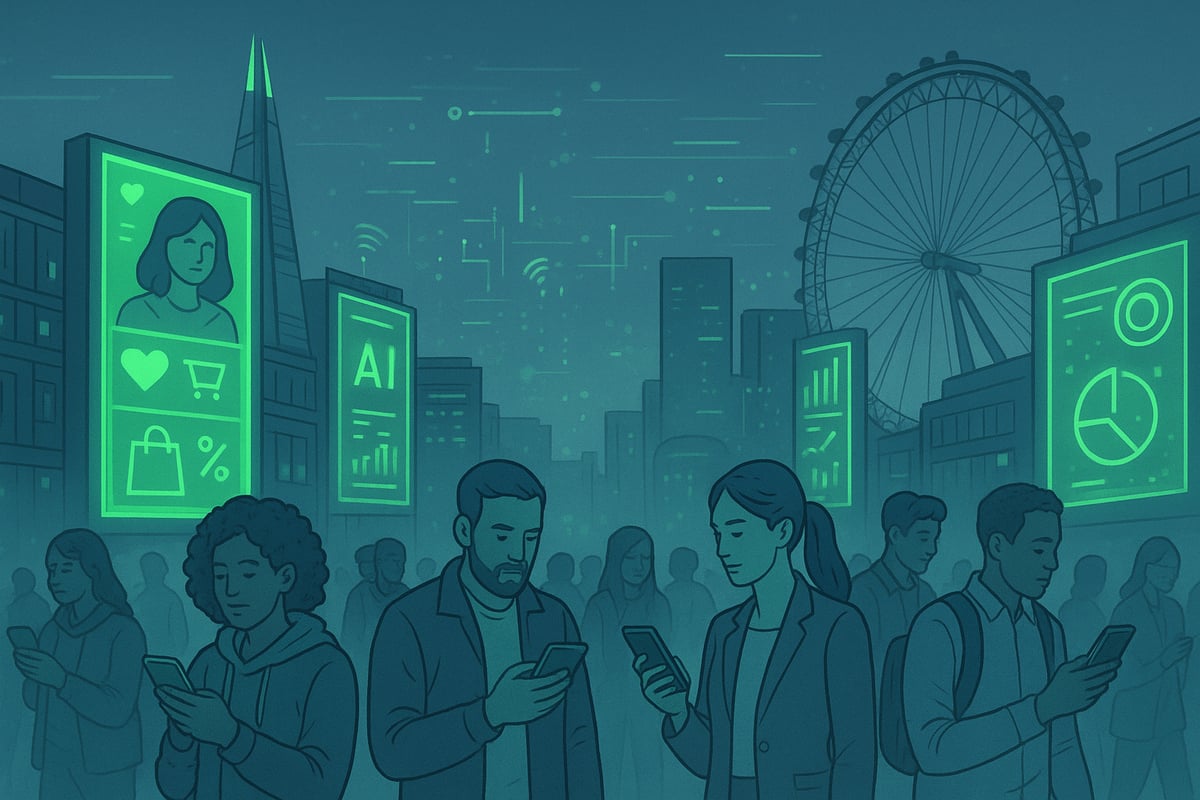
Understanding the unique behaviour, preferences, and personas of Londoners is essential for digital marketing london success in 2026. The city's population is one of the most diverse and digitally savvy in the world, with rapid shifts in consumer expectations shaping every campaign. To truly connect, brands must move beyond generic messaging and embrace insights that reflect the capital's vibrant mix of cultures, lifestyles, and buying habits.
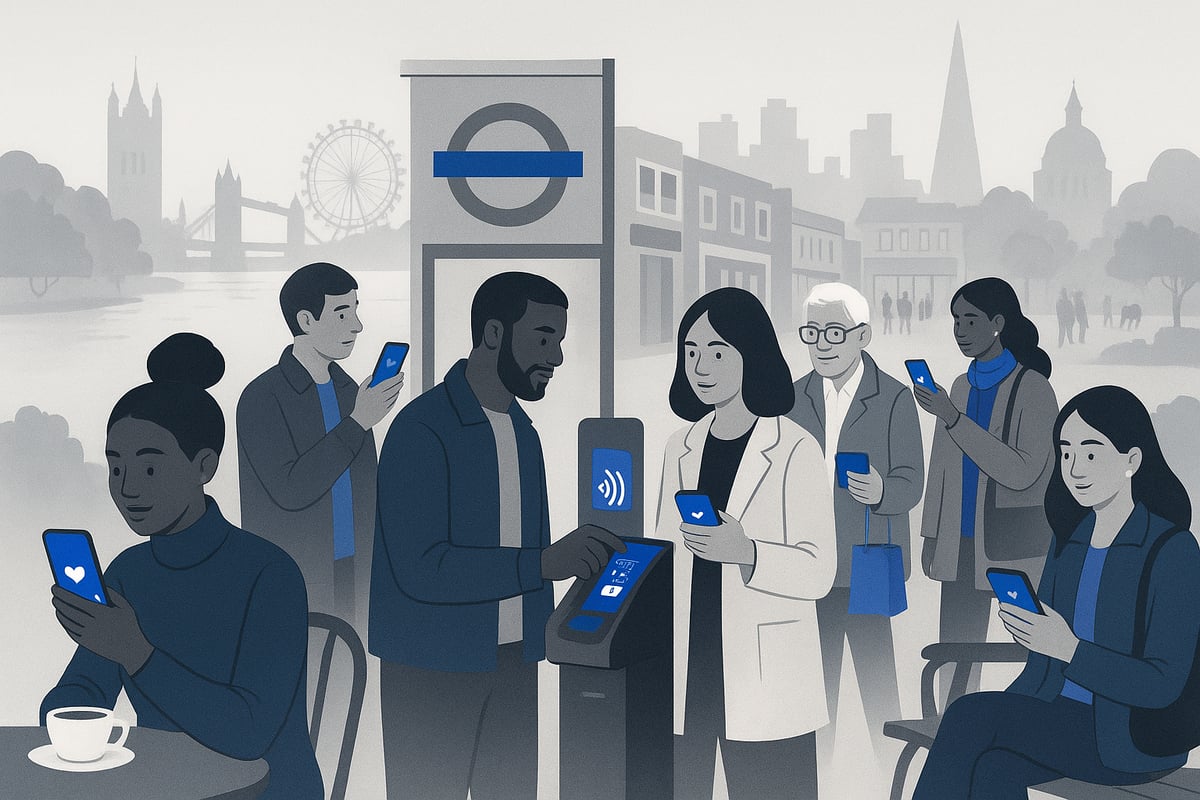
London's consumer landscape is defined by its demographic complexity. Young professionals, international students, families, and retirees coexist across the city’s neighbourhoods, each with distinct digital habits. Income levels range widely, influencing purchasing power and online behaviour. Cultural diversity is a key driver, with over 300 languages spoken and communities from every corner of the globe, making tailored digital marketing london campaigns essential.
When it comes to digital touchpoints, Londoners are highly active online. They research products on mobile, compare prices via apps, and share experiences on social media before making a purchase. According to Consumer trends, UK: April to June 2025, online shopping and mobile wallet usage continue to surge, with contactless payments now the norm for most London shoppers. This shift has redefined the customer journey, from initial discovery to purchase and post-sale engagement.
Trust plays a pivotal role in digital marketing london strategies. London consumers rely on social proof, seeking out reviews, testimonials, and influencer endorsements before committing to a brand. User-generated content, peer recommendations, and transparent communication are now baseline expectations. The rise of local influencers, especially those connected to specific boroughs or communities, offers brands an authentic route to credibility.
Localisation is another critical factor. Effective digital marketing london campaigns tailor content and offers to the unique identities of neighbourhoods and cultural groups. Borough-specific promotions, language customisation, and community events help brands demonstrate genuine understanding and relevance. This hyper-local approach is vital in a city where no two high streets are the same.
Sustainability and ethical business practices are increasingly important to London consumers. Brands demonstrating clear commitments to social responsibility and environmental stewardship are favoured, with 65% of Londoners preferring companies that align with their values (YouGov 2025). From ethical sourcing to transparent supply chains, these factors influence not just purchase decisions, but long-term loyalty.
To target digital marketing london efforts effectively, brands should invest in detailed persona development. By mapping out the key attributes, motivations, and pain points of different segments, businesses can create campaigns that resonate on a personal level. Below is a summary of common London consumer personas:
| Persona | Age Range | Key Traits | Preferred Channels |
|---|---|---|---|
| Urban Professional | 25-40 | Tech-savvy, time-poor, social | Mobile apps, LinkedIn, IG |
| Student Explorer | 18-25 | Price-conscious, trend-driven | TikTok, YouTube, WhatsApp |
| Family Planner | 30-50 | Value-focused, convenience-led | Facebook, comparison sites |
| Cultural Connector | 21-55 | Community-oriented, multilingual | Local forums, Instagram |
By embracing these insights, brands can ensure their digital marketing london strategies are not only visible, but truly relevant and impactful for the city's ever-evolving audience.
Core Digital Marketing Strategies for London Businesses
Achieving standout results in the digital marketing london scene requires a comprehensive, multi-channel approach. Businesses must integrate local SEO, content, paid media, and social engagement strategies tailored to London’s unique market dynamics.
Each component plays a distinct role in driving traffic, building trust, and converting local audiences. Let’s explore the proven tactics London businesses should prioritise in 2026.
Local SEO and Google Business Profile Optimisation
Local SEO is essential for digital marketing london success. Ranking highly in city-specific searches ensures your business is visible to customers ready to buy. Optimise your Google Business Profile with up-to-date information, attractive images, and regular posts. This boosts your presence in maps and local packs, making it easy for Londoners to find you.
Managing online reviews and building local citations are key. Positive feedback builds trust, while consistent details across directories strengthen your authority. For example, a Shoreditch restaurant improved bookings by 30 percent after focusing on local SEO.
Mobile search is dominant in digital marketing london. According to Google UK 2025, 78 percent of mobile local searches result in offline purchases. Use structured data and location-based keywords to further improve visibility.
A regular Local SEO audit London can identify gaps and opportunities, ensuring your business stays ahead of competitors.
Content Marketing That Resonates with London Audiences
Content is the heartbeat of digital marketing london. Hyper-localised blogs, neighbourhood guides, and community stories help brands connect with Londoners in a personal way. London-centric keywords and cultural references make your content relatable and boost local search rankings.
Video and visual storytelling are especially effective. Short clips about local events or behind-the-scenes glimpses engage busy urban audiences. A London retail brand, for instance, saw a surge in in-store visits after a viral TikTok campaign.
Accessible and inclusive content is vital in digital marketing london. London’s diversity means your materials should cater to various backgrounds and abilities. Use plain language, alt text, and translations where needed.
Stay on top of trending topics and seasonal events to keep your content fresh and relevant. This approach nurtures brand loyalty and drives ongoing engagement.
Paid Media: PPC, Social Ads, and Programmatic
Paid media is a powerhouse for digital marketing london. Platforms like Google Ads, Meta, and TikTok allow precise targeting of London audiences. Geo-targeting ensures your ads reach the right boroughs, while dayparting maximises ROI by showing ads when your audience is most active.
Programmatic advertising enables real-time bidding and audience segmentation. For example, a hospitality brand boosted bookings through targeted Instagram ads. London SMEs now allocate 40 percent of their digital spend to paid ads (IAB UK 2025), reflecting the channel’s growing value.
To excel in paid media within digital marketing london, combine compelling creatives with data-driven optimisation. Regularly test ad copy, visuals, and calls-to-action.
Discover more about effective approaches with Paid media marketing strategies, which detail how London businesses can leverage these channels for growth.
Social Media Engagement and Influencer Collaboration
Social media is at the core of digital marketing london, connecting brands with consumers on platforms like Instagram, TikTok, and LinkedIn. Authentic engagement is achieved through local events, user-generated content, and live sessions that showcase your brand’s personality.
Partnering with London-based influencers adds credibility and extends reach. Micro-influencers, in particular, have loyal followings in specific neighbourhoods or niches. A fitness brand’s collaboration with a London influencer led to a significant increase in sign-ups.
Success in digital marketing london requires ongoing measurement and optimisation. Track metrics like engagement, reach, and conversions to refine your strategy. Use social listening tools to stay attuned to local conversations and trends.
Building a community through social media fosters trust and drives long-term loyalty among London’s diverse consumers.
Measuring Success: Analytics, Attribution, and ROI in 2026
In the fast-evolving world of digital marketing london, measuring performance is no longer optional. Brands face increasing pressure to prove the value of every campaign, channel, and pound spent. As competition intensifies, robust analytics, clear attribution, and a focus on ROI are essential for scaling success in 2026.
Today’s digital marketing london landscape demands a granular understanding of performance metrics. Marketers must track beyond basic traffic and clicks, focusing on engagement, conversion rates, and customer lifetime value (CLV). The following table highlights the KPIs that matter most for London-based campaigns:
| KPI | Why It Matters |
|---|---|
| Website Traffic | Measures reach and awareness |
| Conversion Rate | Indicates effectiveness of campaigns |
| Engagement Rate | Reflects content resonance and brand loyalty |
| Customer Lifetime Value (CLV) | Gauges long-term profitability |
| Return on Ad Spend (ROAS) | Assesses paid media efficiency |
To harness these KPIs, building a bespoke analytics stack is critical. Most London businesses are adopting Google Analytics 4 (GA4), which offers powerful event-based tracking and custom dashboards. Integrating data layers ensures you capture every digital interaction, from mobile taps to in-store visits. Many brands partner with a digital media agency in London to streamline setup, ensuring data accuracy and actionable insights.
Attribution has become the cornerstone of digital marketing london measurement. Single-touch models are obsolete as customer journeys span multiple platforms and devices. Multi-touch attribution, including linear and data-driven models, helps marketers understand which touchpoints drive conversions. For example, a London e-commerce brand used advanced attribution to increase ROI by 25%, allocating budget to the channels that truly influence purchase decisions.
The rise of AI and machine learning is transforming campaign optimisation in digital marketing london. Predictive analytics identify trends before they emerge, helping marketers adjust strategies in real time. Machine learning models can forecast which audiences are most likely to convert, enabling hyper-targeted campaigns and improved ROI. In 2026, 70 percent of London marketers plan to boost investment in analytics tools for smarter decision-making (Econsultancy 2025).
Data privacy is a major concern in digital marketing london, with new UK and EU regulations shaping how brands collect and use customer data. Ethical tracking practices are essential, from transparent consent management to secure data storage. Marketers must stay informed on compliance, balancing personalisation with privacy. Investing in analytics and attribution not only secures compliance but also builds trust with London’s diverse, digital-savvy consumers.
Future-Proofing Your Digital Marketing: Trends and Innovations for 2026
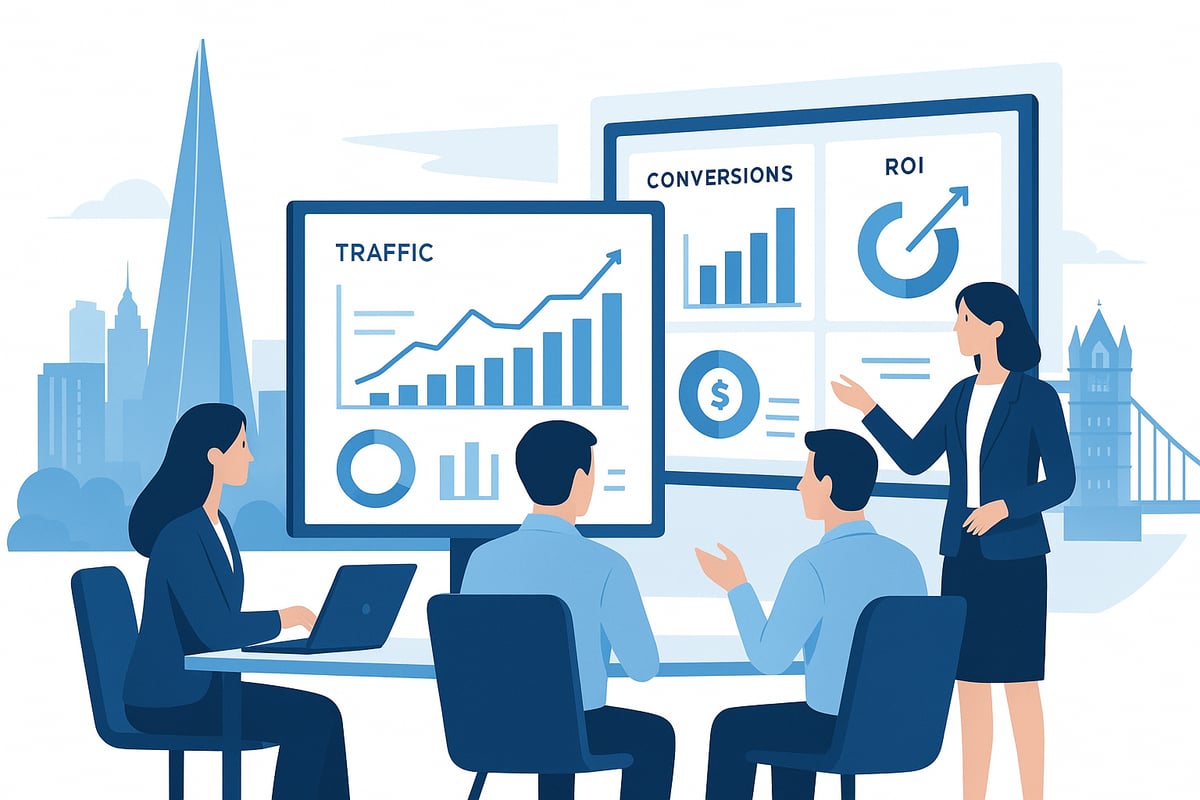
Anticipating the future is essential for any business aiming to lead in digital marketing london. As technology and consumer expectations evolve, staying ahead means adapting strategies and embracing innovation. The following trends are set to define digital marketing london in 2026, equipping brands with the tools to thrive in a dynamic urban environment.
Voice and Visual Search: Optimising for the Next Wave
With smart speakers and visual search tools now commonplace, optimising for voice and image queries is vital. London consumers increasingly use natural language and visual cues to find products or services nearby. Businesses must ensure their content is conversational, structured for featured snippets, and technically robust. Investing in responsive website design for London supports seamless experiences across devices, crucial for capturing voice and visual search traffic. Adapting for these modalities will differentiate digital marketing london campaigns in a crowded field.
AI Chatbots and Conversational Commerce
AI-powered chatbots are transforming how brands interact with customers in real time. Londoners expect instant, personalised assistance, whether booking a table or resolving a query. Integrating conversational commerce into websites and social platforms streamlines user journeys and boosts satisfaction. For digital marketing london, leveraging AI chatbots not only enhances customer support but also gathers data to refine future campaigns.
Immersive AR/VR Experiences in Retail and Hospitality
Augmented and virtual reality are reshaping how Londoners engage with brands, especially in retail and hospitality. Imagine a museum inviting visitors to explore exhibits through interactive AR overlays, or a fashion retailer enabling virtual try-ons. These experiences drive deeper engagement and set brands apart. In fact, 60% of London brands are planning to pilot AR or VR marketing initiatives by 2026 (Marketing Week 2025). Incorporating AR/VR into digital marketing london strategies creates memorable, shareable moments that foster loyalty.
Web3 and Decentralised Platforms: New Frontiers
Web3 technologies introduce decentralised platforms, giving users more control over data and digital identities. For digital marketing london, this means rethinking how brands build trust and communities. While adoption is still in its early stages, exploring NFTs, blockchain loyalty schemes, and decentralised social networks can unlock new opportunities for engagement and differentiation.
First-Party Data, Loyalty Programmes, and Privacy
With third-party cookies disappearing, collecting and leveraging first-party data is now a strategic imperative. London consumers value transparency and control over their information, driving demand for ethical data practices. Forward-thinking brands are developing loyalty programmes and exclusive content access to encourage data sharing. Insights from the PwC Consumer Sentiment Survey – Summer 2025 highlight the growing importance of privacy in purchasing decisions, making robust data management central to digital marketing london success.
Building Agile Teams for Rapid Innovation
The pace of change in digital marketing london requires agile, cross-functional teams ready to test, learn, and adapt quickly. Upskilling staff in emerging technologies and fostering a culture of experimentation will help businesses stay ahead. Agile teams can seize new opportunities, respond to trends, and future-proof their strategies for long-term growth.
As we’ve explored, standing out in London’s fast evolving digital marketing scene takes more than just keeping up with trends—it’s about creating strategies tailored to your audience and business goals. If you’re ready to put these insights into action and want expert support to elevate your online presence, we’re here to help. Let’s work together to develop a marketing plan that drives real results for your brand—whether that’s through SEO, paid media, or a full scale strategy built for 2026 and beyond.
Marketing