Marketing Digital Website: Building High-Converting Sites

A marketing digital website serves as the cornerstone of your online presence, acting as both a virtual shopfront and a powerful conversion tool. In 2026, businesses that invest in strategic website development see measurably higher engagement rates, stronger brand authority, and improved return on investment across all digital channels. The effectiveness of your digital marketing efforts hinges significantly on the quality, functionality, and strategic design of your website. Whether you're launching a new venture or refining an existing platform, understanding the fundamental principles of building a marketing digital website will determine your competitive advantage in an increasingly crowded online marketplace.
Strategic Foundations of a Marketing Digital Website
Building a successful marketing digital website requires more than aesthetic appeal. Your website must serve multiple strategic objectives simultaneously: attracting qualified traffic, communicating brand value, nurturing prospects, and converting visitors into customers.
The foundation begins with understanding your audience's needs and behaviours. Modern website visitors make judgement calls within milliseconds, and first impressions through effective web design principles directly impact whether users engage with your content or bounce immediately. Your marketing digital website must load quickly, display correctly across all devices, and provide intuitive navigation that guides visitors towards conversion points.
Defining Clear Business Objectives
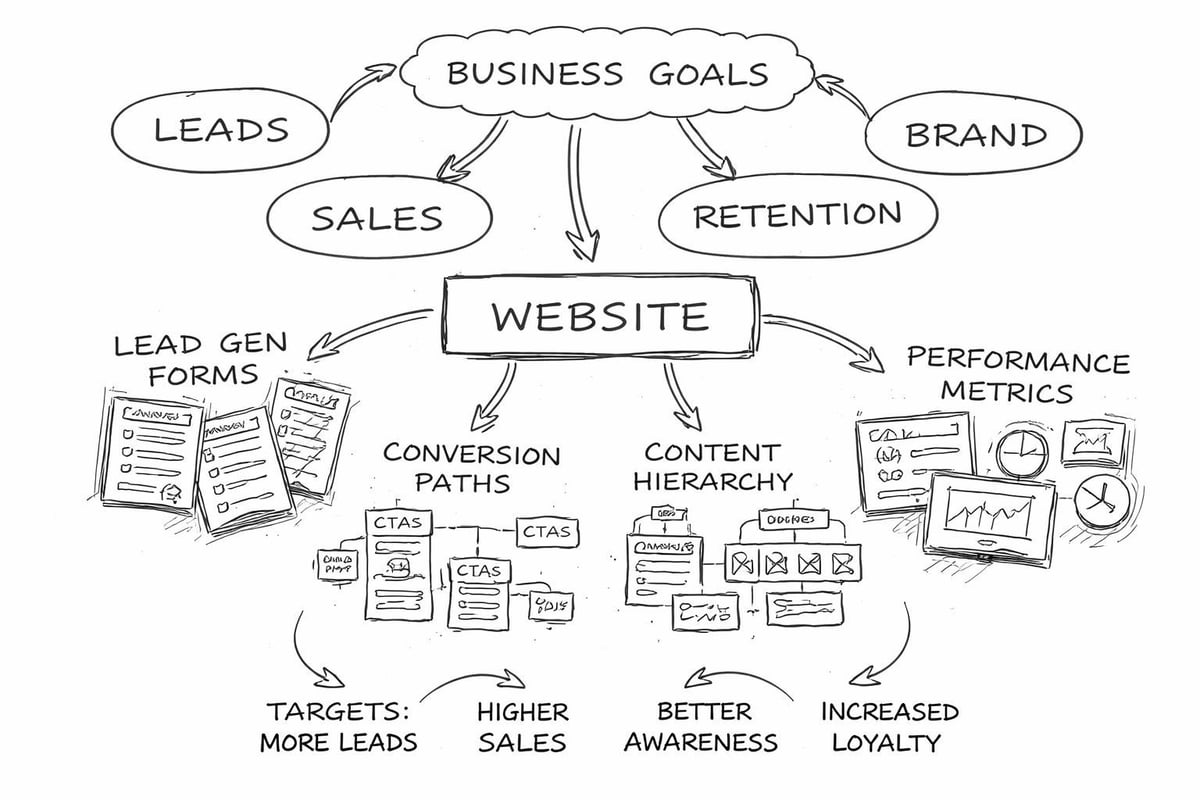
Before designing a single page, establish measurable objectives for your marketing digital website. These might include:
- Generating a specific number of qualified leads monthly
- Achieving particular conversion rates for key landing pages
- Building email subscription lists to defined targets
- Increasing product sales or service enquiries by measurable percentages
- Establishing thought leadership through content engagement metrics
Each objective should influence design decisions, content strategy, and technical implementation. A website built to generate leads will differ structurally from one designed primarily for e-commerce transactions or brand awareness.
Essential Design Principles for Marketing Websites
Effective design balances visual appeal with functional performance. Your marketing digital website must communicate professionalism whilst maintaining accessibility for diverse user groups.
Principles of effective web design emphasize simplicity, visual hierarchy, and purposeful navigation. These foundational concepts remain relevant despite evolving design trends. Clean layouts with strategic use of white space allow content to breathe and guide user attention towards priority elements.
Navigation and Information Architecture
User-friendly navigation structures information logically and predictably. Visitors should locate desired information within three clicks from any starting point. Consider implementing:
- Clear primary navigation with 5-7 main categories maximum
- Breadcrumb trails for complex sites with multiple levels
- Footer navigation consolidating secondary pages and resources
- Search functionality for content-rich websites
- Strategic internal linking connecting related content naturally
Your information architecture should reflect how customers think about your services rather than how your organisation is structured internally. Creative strategy agencies often employ user research and card sorting exercises to optimise navigation structures based on actual user behaviour patterns.
Visual Elements and Brand Consistency
Consistent visual branding across your marketing digital website reinforces recognition and builds trust. This encompasses colour palettes, typography, imagery styles, and graphical elements that align with broader brand guidelines.
| Design Element | Best Practice | Impact on Marketing |
|---|---|---|
| Colour Scheme | Limit to 3-4 primary colours | Reinforces brand recognition and guides attention |
| Typography | Maximum 2-3 font families | Improves readability and professional appearance |
| Imagery | High-quality, original where possible | Builds credibility and emotional connection |
| White Space | Generous margins and padding | Reduces cognitive load and highlights key content |
| Call-to-Actions | Contrasting colours, clear messaging | Drives conversions and desired actions |
High-quality visuals engage audiences and boost conversions by creating emotional connections whilst communicating professionalism. Investment in professional photography or videography yields measurable improvements in engagement metrics and conversion rates.
Technical Optimisation for Performance
A beautiful marketing digital website that loads slowly or functions poorly delivers disappointing results regardless of design quality. Technical performance directly impacts both user experience and search engine rankings.
Page Speed and Loading Optimisation
Website speed influences bounce rates, conversion rates, and search rankings. Research consistently shows that pages loading within two seconds retain significantly more visitors than slower alternatives.
Optimisation strategies include:
- Image compression reducing file sizes without visible quality loss
- Browser caching storing static resources locally on repeat visits
- Content Delivery Networks serving assets from geographically distributed servers
- Minified code removing unnecessary characters from CSS, JavaScript, and HTML
- Lazy loading deferring off-screen image loading until needed
Regular performance audits identify bottlenecks and opportunities for improvement. Tools like Google PageSpeed Insights provide actionable recommendations specific to your marketing digital website.
Mobile Responsiveness
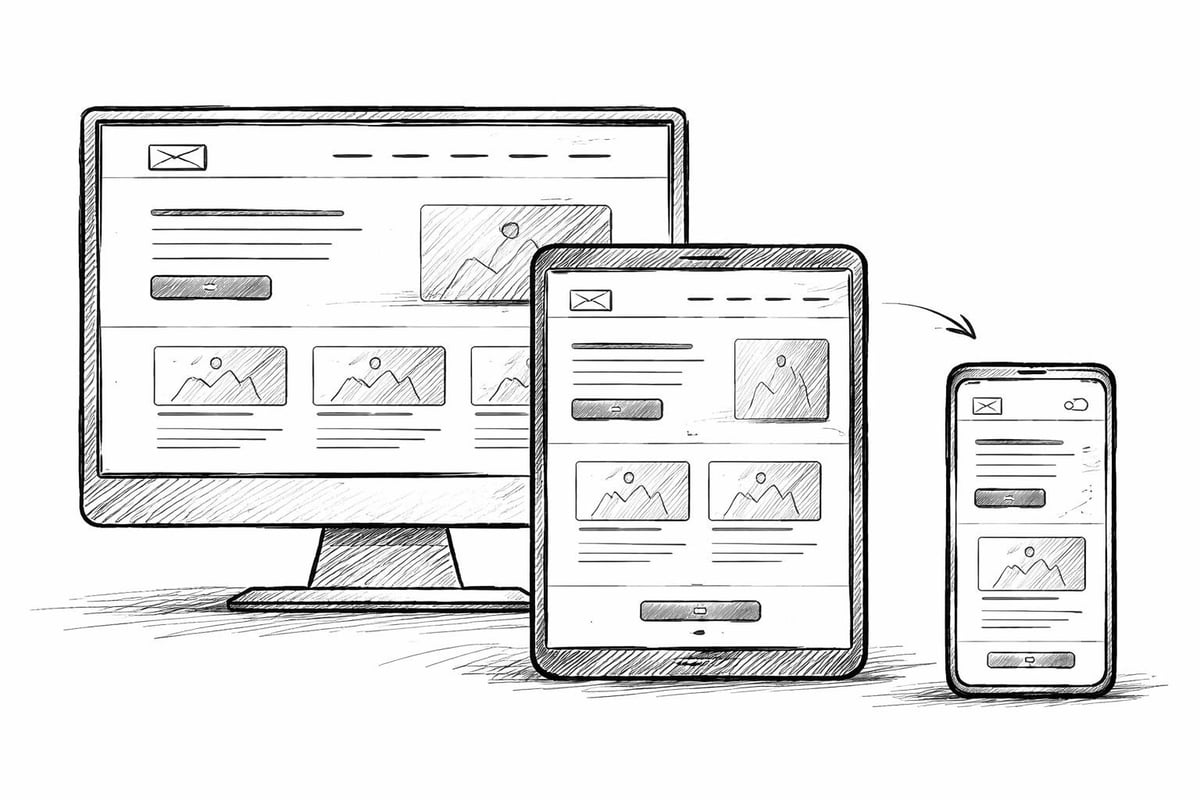
With mobile devices generating over 60% of web traffic in 2026, responsive design is non-negotiable. Your marketing digital website must adapt seamlessly to various screen sizes whilst maintaining functionality and aesthetic integrity.
Mobile optimisation extends beyond responsive layouts to include:
- Touch-friendly interface elements with adequate spacing
- Simplified navigation appropriate for smaller screens
- Faster loading times for data-conscious mobile users
- Click-to-call functionality for immediate contact
- Mobile-optimised forms with minimal required fields
SEO Integration and Organic Visibility
Your marketing digital website must be discoverable by target audiences searching for relevant solutions. Search engine optimisation increases organic website traffic and brand visibility through strategic technical and content optimisation.
On-Page SEO Fundamentals
Every page on your marketing digital website should be optimised for relevant search queries whilst maintaining natural, user-focused content. Essential on-page elements include:
- Title tags incorporating target keywords within 60 characters
- Meta descriptions compelling summaries encouraging click-throughs
- Header hierarchy using H1, H2, H3 tags to structure content logically
- URL structures clean, descriptive URLs reflecting page content
- Image alt text describing images for accessibility and search context
Strategic keyword integration should feel natural rather than forced. Modern search algorithms prioritise content quality and user satisfaction over keyword density alone.
Technical SEO Architecture
Behind-the-scenes technical elements significantly impact search performance. Your marketing digital website requires:
- XML sitemap helping search engines discover and index all pages
- Robots.txt file controlling crawler access to site sections
- SSL certificate ensuring secure HTTPS connections
- Structured data markup enhancing search result displays
- Canonical tags preventing duplicate content issues
Regular technical audits identify crawl errors, broken links, and indexation issues requiring attention. Building high-quality backlinks boosts site authority and search rankings through external validation of your content value.
Content Strategy for Marketing Websites
Content serves as the vehicle for attracting, engaging, and converting website visitors. Your marketing digital website requires strategic content planning aligned with audience needs and business objectives.
Audience-Focused Content Development
Effective content addresses specific audience questions, challenges, and information needs. Begin by developing detailed buyer personas representing key customer segments. These personas inform content topics, tone, depth, and format.
Content types to consider include:
- Educational blog articles establishing thought leadership
- Case studies demonstrating proven results and capabilities
- Service pages clearly explaining offerings and benefits
- FAQ sections addressing common questions and objections
- Video content engaging visual learners and improving time on site
- Downloadable resources generating leads through gated content
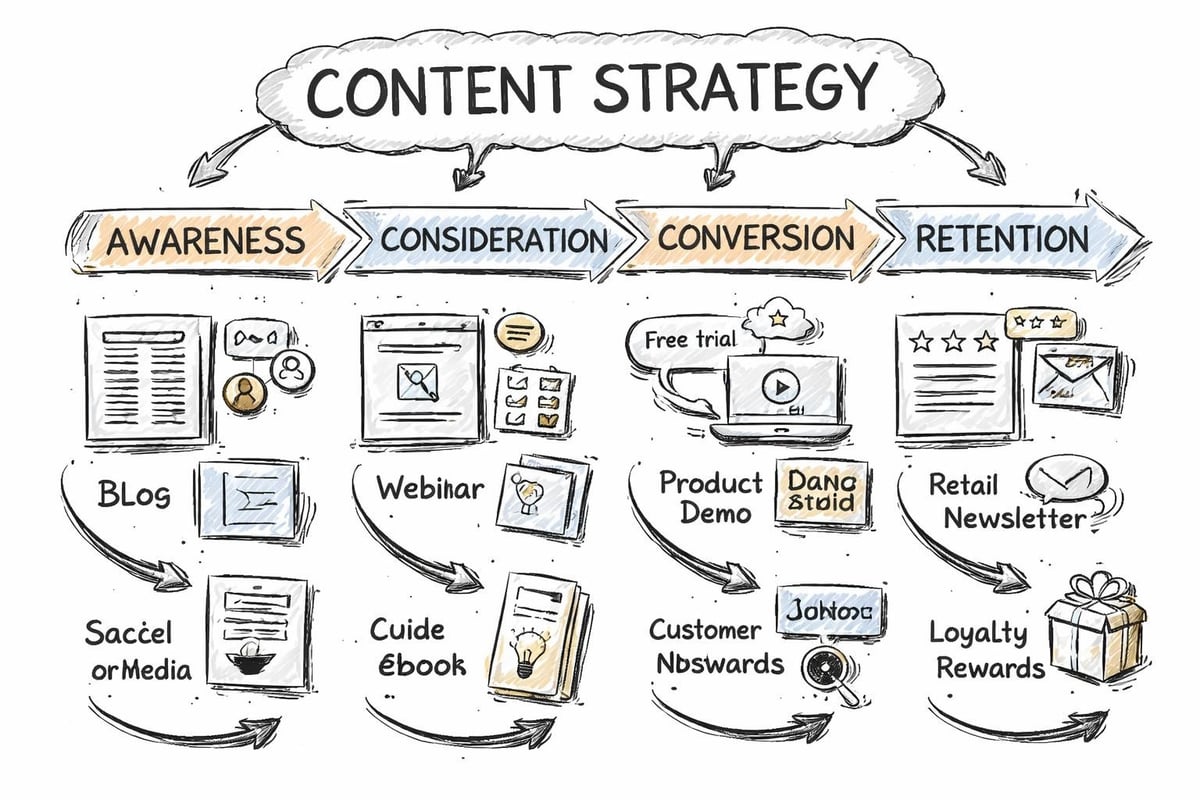
How website design supports digital marketing efforts includes strategic content placement that guides users through awareness, consideration, and decision stages.
Conversion-Focused Messaging
Every content element should serve a purpose within your conversion framework. Strong messaging combines clear value propositions with compelling calls-to-action that motivate desired behaviours.
| Conversion Element | Purpose | Implementation Tips |
|---|---|---|
| Headlines | Capture attention and communicate value | Be specific, benefit-focused, and clear |
| Subheadings | Guide scanning and maintain interest | Use questions or compelling statements |
| Body Copy | Inform and persuade | Focus on benefits over features |
| Testimonials | Build trust through social proof | Include specific results and credentials |
| CTAs | Drive specific actions | Use action verbs and create urgency |
Your marketing digital website should feature multiple conversion opportunities without overwhelming visitors. Strategic CTA placement at natural decision points maximizes conversion rates whilst maintaining positive user experience.
Analytics and Continuous Improvement
Launching your marketing digital website marks the beginning rather than the end of the optimisation process. Data-driven refinement based on actual user behaviour yields ongoing performance improvements.
Essential Metrics to Monitor
Implement comprehensive analytics tracking to understand how visitors interact with your marketing digital website. Key performance indicators include:
- Traffic sources revealing which channels drive visitors
- Bounce rates indicating content relevance and engagement
- Average session duration measuring content value
- Pages per session showing content discovery and navigation effectiveness
- Conversion rates tracking goal completions and lead generation
- Form abandonment rates identifying friction in conversion processes
Regular review of these metrics reveals patterns, opportunities, and issues requiring attention. Set baseline measurements and track progress towards defined objectives over time.
A/B Testing and Iterative Refinement
Systematic testing removes guesswork from optimisation decisions. Your marketing digital website benefits from ongoing experimentation with:
- Headline variations testing different value propositions
- CTA button colours and copy optimizing conversion elements
- Page layouts comparing information hierarchy approaches
- Form lengths balancing information collection with completion rates
- Image selections identifying visual elements that resonate
Test individual variables systematically rather than multiple changes simultaneously. This disciplined approach identifies which specific modifications drive performance improvements.
Integration with Broader Marketing Ecosystem
Your marketing digital website doesn't exist in isolation. It functions as the hub connecting various marketing channels and customer touchpoints.
Multi-Channel Consistency
Ensure messaging, branding, and user experience remain consistent across all platforms. Your website should reinforce experiences from social media, email marketing, paid advertising, and offline channels.
Integration points to consider include:
- Social media profiles linked prominently with consistent branding
- Email marketing driving traffic to specific landing pages
- Paid advertising directing users to optimised conversion pages
- CRM systems capturing and nurturing leads systematically
- Marketing automation personalizing experiences based on behaviour
This cohesive approach creates seamless customer journeys regardless of initial touchpoint. Visitors arriving from different channels should find familiar branding and messaging that builds trust through consistency.
Lead Nurturing and Customer Retention
Beyond initial conversions, your marketing digital website should support ongoing customer relationships. Implement features that encourage repeat visits and deeper engagement:
- Member areas with exclusive content or resources
- Email subscription options for regular updates
- Interactive tools or calculators providing ongoing value
- Customer portals for service access and support
- Blog content addressing evolving customer needs
These retention-focused elements transform your marketing digital website from a one-time conversion tool into an ongoing relationship platform that maximizes customer lifetime value.
Building an effective marketing digital website requires strategic planning, expert execution, and ongoing optimisation aligned with business objectives and audience needs. The investment in quality design, technical performance, compelling content, and data-driven refinement yields measurable returns through increased traffic, higher engagement, and improved conversion rates. Whether you're launching a new platform or enhancing an existing presence, partnering with experienced specialists ensures your website delivers maximum impact. OxD PR combines expertise in web design, SEO, and comprehensive digital marketing to create high-converting websites that drive genuine business growth for brands worldwide.