Online Marketing Guide: Strategies for Success in 2026

In 2026, the world of online marketing is more competitive and fast-moving than ever before. Businesses of all sizes are navigating new challenges as digital technology and consumer expectations continue to evolve.
To stand out, brands must adopt proven strategies that drive real results. This guide is designed to help you master online marketing with the latest tactics, tools, and trends for the coming year.
You will find a comprehensive roadmap covering digital marketing fundamentals, advanced approaches, emerging technologies, content and SEO, social media, paid advertising, and data-driven decision making.
Understanding the 2026 Online Marketing Landscape
The world of online marketing in 2026 is rapidly evolving, shaped by technology, consumer trends, and regulatory changes. To compete, businesses must understand how the landscape has shifted and what it takes to succeed in this dynamic environment.
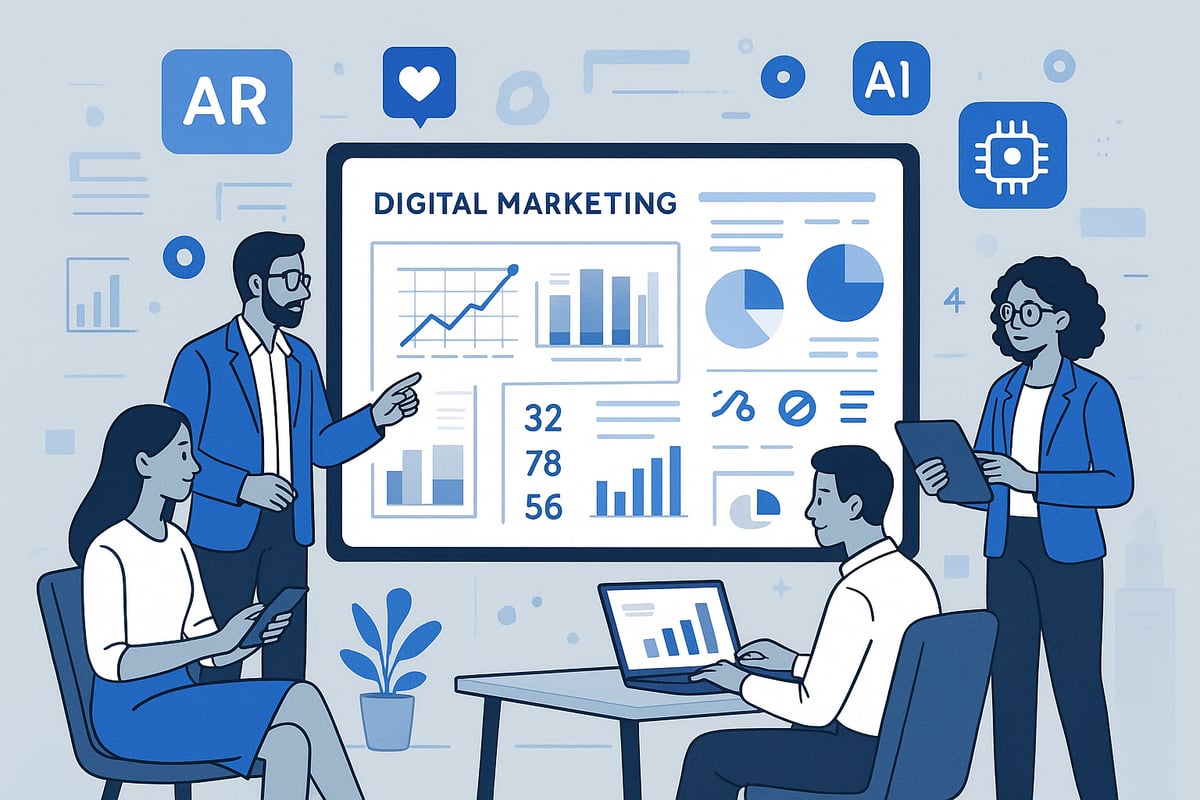
The Evolution of Digital Marketing to 2026
Online marketing has undergone remarkable change over the past decade. The shift from traditional approaches towards integrated, digital-first strategies has been driven by major inflection points, including the rise of AI, stricter privacy regulations, and the adoption of omnichannel tactics.
Events such as the acceleration of remote work have also left a lasting mark on marketing. Notably, the digital advertising market in the UK reached £35.5bn in 2024, reflecting a 13 percent year-on-year increase and underscoring the growing investment and competition in the sector (UK digital ad spend reaches £35.5bn in 2024). This surge highlights the importance of online marketing for every ambitious business.
Consumer Behaviour and Expectations
Consumers now expect online marketing to deliver personalised and seamless experiences. Mobile-first engagement is the norm, with people using multiple devices throughout their journey. Trust, transparency, and privacy are top priorities, directly influencing purchase decisions.
A recent example shows that 80 percent of UK consumers research online before making a purchase, demonstrating the critical role of digital touchpoints. Furthermore, brands embracing ethical, sustainable, and socially responsible practices are gaining consumer loyalty, making authenticity a non-negotiable in 2026.
Key Digital Channels in 2026
The online marketing ecosystem in 2026 relies on a mix of established and emerging channels. Search engines, social networks, and email remain essential, while platforms powered by voice and AR are gaining traction. Video and interactive content now dominate, capturing audience attention and driving engagement.
Marketplaces and third-party platforms continue to play a significant role. In fact, 65 percent of businesses now use a blend of organic and paid channels, integrating both online and offline touchpoints to maximise reach and impact.
Regulatory and Technological Shifts
Regulatory changes are reshaping online marketing. Updates to GDPR and new cookie restrictions require marketers to prioritise data privacy. AI, automation, and machine learning are transforming campaign management and personalisation, while 5G and IoT fuel new ways to connect with audiences.
Accessibility and inclusive design have also become central, ensuring digital experiences are usable for all. For instance, AI-driven personalisation has been shown to increase conversion rates by 20 percent, making technology adoption a competitive advantage.
Competitive Analysis: What Leading Brands Are Doing
Top brands in online marketing are setting the pace by benchmarking their efforts and investing in omnichannel and automation strategies. They focus on customer experience, using integrated digital campaigns to reach and engage audiences effectively.
A leading UK retailer recently achieved outstanding results by unifying its campaigns across multiple channels, leveraging real-time analytics for agile decision-making. The lessons from both successes and failures in recent years highlight the necessity of adaptability, innovation, and a data-driven approach in 2026.
Building a Strong Foundation: Digital Marketing Fundamentals
Establishing a robust foundation is essential for online marketing success in 2026. By mastering the basics, businesses can adapt to new trends, outperform competitors, and drive measurable growth.
Setting Clear Goals and KPIs
Every effective online marketing campaign starts with well-defined goals. Use the SMART framework to ensure objectives are Specific, Measurable, Achievable, Relevant, and Time-bound. Align marketing targets with your wider business strategy to create a unified direction.
Track progress using key performance indicators (KPIs) such as website traffic, lead generation, conversion rates, return on investment, and engagement metrics. Regularly review these KPIs to stay on course, making data-driven adjustments as needed. Research shows that 70% of successful campaigns set clear KPIs from the outset, laying a strong groundwork for sustainable online marketing growth.
Crafting a Cohesive Brand Identity Online
Consistency is crucial for building trust in online marketing. Your brand identity should be reflected across your website, social channels, and advertising campaigns. This includes a unified approach to logos, colours, and typography, as well as a consistent tone of voice in all messaging.
Clear guidelines help maintain this cohesion, making it easier for customers to recognise and connect with your brand. Storytelling also plays a vital role, differentiating your business in a crowded online marketing landscape. Even small businesses can increase trust and loyalty by ensuring their branding is unified and memorable.
Building a High-Performance Website
A high-performance website is the backbone of any online marketing strategy. Prioritise mobile responsiveness so users have a seamless experience on any device. Fast loading times are essential, as 53% of users will leave sites that take more than three seconds to load.
Focus on user experience (UX) with intuitive navigation and clear calls to action. Ensure your site meets accessibility standards to reach all audiences. An SEO-friendly structure boosts visibility, helping your online marketing efforts reach the right people. Regularly audit and optimise your website to maintain top performance.
Essential Tools and Platforms for 2026
Choosing the right tools can elevate your online marketing results. Popular content management systems and e-commerce platforms streamline operations, while marketing automation and customer relationship management tools boost efficiency. Analytics and data visualisation platforms provide actionable insights for smarter decisions.
Integration and interoperability are key when selecting platforms, ensuring smooth data flow across your marketing stack. In 2026, 60% of businesses are expected to use AI-powered platforms to improve their online marketing efforts. To learn more about available solutions, explore Digital Marketing Services Online.
OxD PR: Your Digital Marketing Partner
OxD PR delivers comprehensive online marketing services, from web design and SEO to branding and campaign management. Their team builds responsive, high-converting websites tailored to your business goals, helping you stand out in a competitive market.
With a proven track record of boosting visibility and driving real traffic for UK and global clients, OxD PR combines traditional and digital strategies for maximum impact. Their flexible, client-focused approach ensures measurable results and ongoing support, making them a trusted partner for your online marketing journey.
Advanced Online Marketing Strategies for 2026
Staying ahead in online marketing in 2026 means embracing innovation, data, and customer-centric strategies. Businesses that adapt to evolving digital environments will outperform competitors. Let us explore the most effective advanced approaches shaping the future of online marketing.
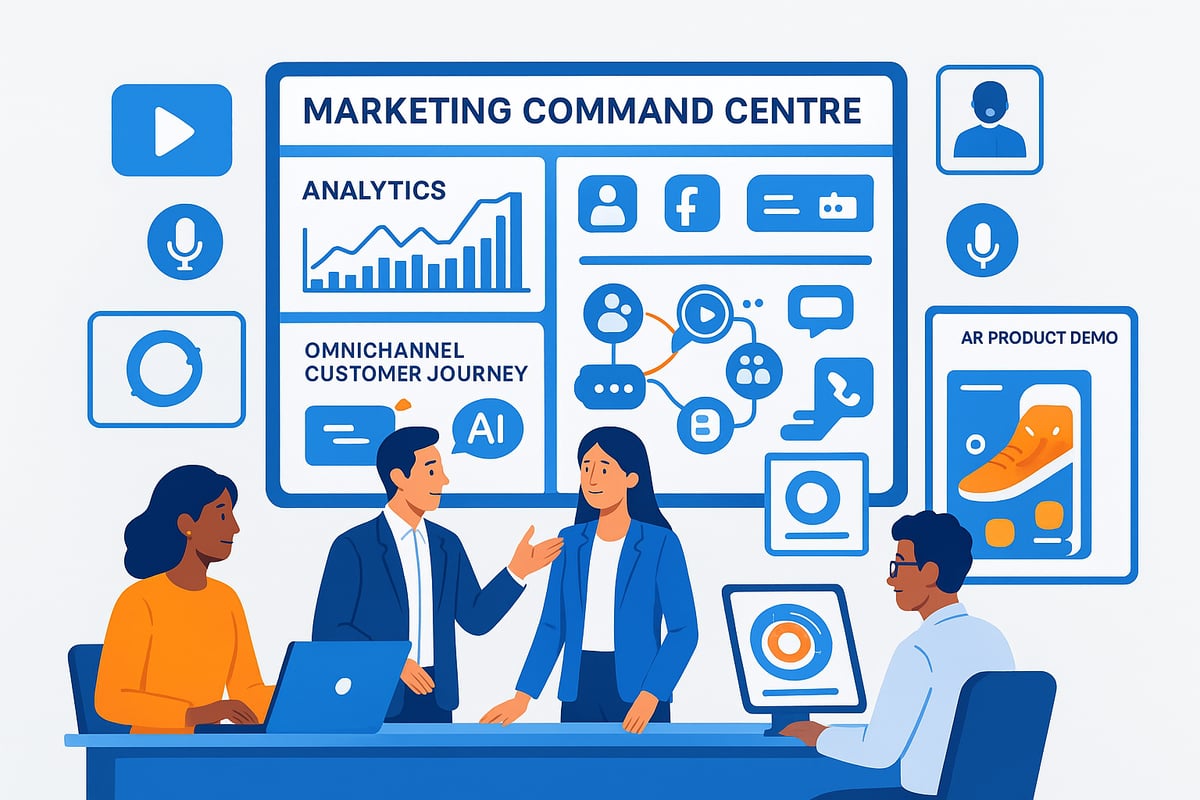
Omnichannel Marketing and Customer Experience
Omnichannel marketing is at the heart of successful online marketing strategies in 2026. Seamless integration of web, social, email, and offline touchpoints is now essential. Customers expect a unified experience, whether shopping in-store or browsing online.
Personalisation is vital. Brands use data to tailor messaging and offers at every stage of the customer journey. Real-time mapping tools help to track interactions and identify friction points. For example, a leading UK retailer increased sales by 25 percent through integrated campaigns combining digital and physical experiences.
To manage omnichannel efforts, businesses rely on platforms offering campaign automation, analytics, and cross-channel consistency. Investing in these solutions, as outlined in the Top Digital Marketing Services, enables brands to maximise their online marketing potential.
AI and Automation in Marketing
Artificial intelligence and automation have revolutionised online marketing. Chatbots provide instant support, while AI-driven ads and predictive analytics enable precise targeting and segmentation. Automated email sequences nurture leads with minimal manual intervention.
Dynamic content personalisation ensures users see relevant offers, boosting engagement and conversion rates. For example, AI chatbots have reduced support costs by 30 percent for many UK companies. However, maintaining a balance between automation and human touch remains crucial.
Key tools include marketing automation platforms, AI-powered CRMs, and advanced analytics dashboards. These technologies help streamline processes and scale campaigns efficiently, making them indispensable for modern online marketing.
Content Marketing: New Formats and Distribution
Content marketing in 2026 is more interactive and immersive than ever. Video, live streaming, and webinars drive engagement, while shoppable and augmented reality content bridge the gap between entertainment and commerce. Influencer partnerships and user-generated content add authenticity.
Marketers repurpose content across platforms to maximise reach and ROI. For example, 72 percent of marketers report that video content delivers the highest returns. By diversifying formats, brands can appeal to different audience preferences and stand out in a crowded online marketing landscape.
Effective content strategies focus on both evergreen and trending topics. Collaboration between writers, designers, and video producers ensures cohesive, high-quality output.
Data-Driven Decision Making
Data is the backbone of advanced online marketing. Collecting first-party data allows brands to understand customer behaviour and optimise campaigns in real time. Real-time dashboards provide actionable insights, enabling faster and more informed decisions.
A culture of experimentation is encouraged through A/B testing and continuous performance tracking. Data-driven campaigns typically achieve 15 percent higher conversion rates. Businesses must also prioritise data privacy and compliance with regulations.
Adopting robust analytics tools and fostering cross-team collaboration ensures that marketing efforts are aligned with business objectives. The future of online marketing belongs to those who let data guide their strategies.
Social Commerce and Influencer Marketing
Social commerce has become a dominant force in online marketing. Platforms like Instagram, TikTok, and Facebook now feature integrated shopping experiences. Consumers discover, research, and buy products without leaving their favourite apps.
Micro-influencers and authentic brand advocates help build trust and drive conversions. Social proof, such as user reviews and testimonials, further influences purchase decisions. UK social commerce sales are projected to hit £10bn by 2026, underlining its growing importance.
Tracking influencer ROI and campaign effectiveness is vital. Brands use social analytics tools to measure engagement, reach, and conversion, ensuring online marketing investments deliver results.
Voice, Visual, and AR Search Optimisation
The rise of voice assistants, visual search, and augmented reality is transforming online marketing. Optimising for platforms like Google Assistant, Alexa, and Siri allows brands to capture new audiences. Visual search and image recognition make product discovery frictionless.
Augmented reality is used for interactive product demos and immersive experiences. For example, 40 percent of UK consumers use voice search weekly, making it a channel brands cannot ignore.
Preparing content and metadata for these new modalities ensures visibility. Forward-thinking businesses are already adapting their online marketing strategies to stay ahead in this dynamic landscape.
Content and SEO: Winning Strategies for Visibility
Content and SEO are the backbone of successful online marketing in 2026. As digital competition intensifies, brands must refine their visibility strategies to capture attention and drive results. Staying ahead requires a blend of technical expertise, creativity, and data-driven decision making.
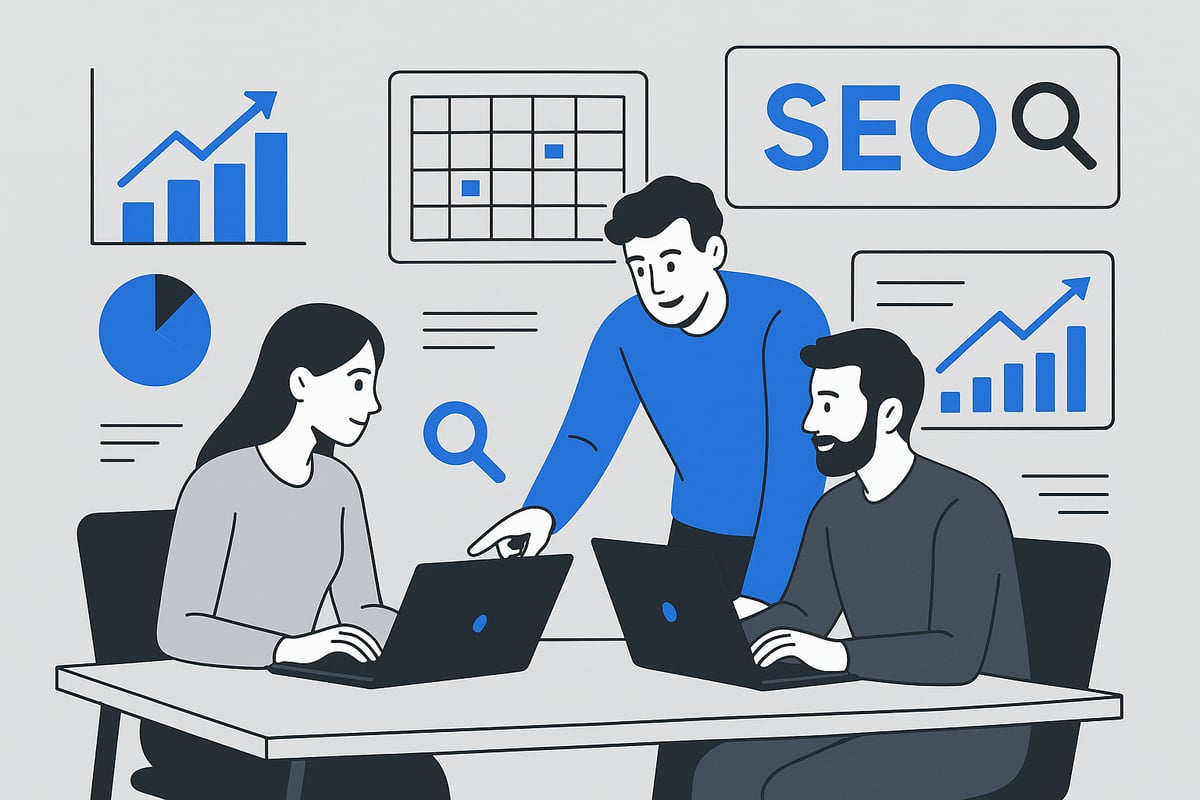
Future-Proof SEO Tactics
In 2026, future-proof SEO is essential for online marketing success. Google prioritises E-E-A-T—experience, expertise, authoritativeness, trustworthiness—making quality content more important than ever. Semantic search and natural language queries shape how users find information.
Brands must optimise for featured snippets and zero-click searches to capture attention directly in search results. Local SEO remains vital, especially as more users conduct “near me” searches on mobile devices. Did you know that 70 percent of clicks go to the top three organic results? This underlines the value of robust SEO tactics.
Regularly updating your approach ensures your online marketing stays competitive.
Content Planning and Creation in 2026
Effective content planning is at the heart of online marketing strategies in 2026. Use data-driven topic selection and comprehensive keyword research to pinpoint what your audience seeks. Balance evergreen pieces with trending topics to maintain relevance and drive steady traffic.
Long-form pillar pages boost internal linking and user dwell time, while bite-sized micro-content serves audiences on the go. Collaboration between writers, designers, and video producers is now standard, ensuring content is engaging and multi-dimensional.
A well-structured content calendar keeps your online marketing efforts consistent and aligned with business goals, making every piece count.
Technical SEO and Website Performance
Technical SEO underpins every successful online marketing campaign. Prioritise Core Web Vitals, including site speed, visual stability, and interactivity, to improve both rankings and user experience. With mobile-first indexing, responsive design is non-negotiable.
Implement structured data and schema markup to help search engines understand your content better. Regular audits identify issues that could hinder visibility or performance. For example, simple technical SEO fixes can increase organic traffic by 18 percent.
By addressing these areas, your online marketing will benefit from improved search presence and higher user satisfaction.
Link Building and Authority Growth
Building authority through quality backlinks is crucial for online marketing in 2026. Earn links from reputable sources using digital PR, guest posting, and strategic partnerships. Social signals and brand mentions also contribute to your site’s credibility.
Avoid black-hat or spammy tactics, as search engines penalise manipulative behaviour. Instead, focus on developing relationships and providing value to your industry. Backlink profiles strongly correlate with better search rankings.
Consistent link building supports your online marketing by increasing domain authority and helping your content reach a broader audience.
Measuring and Refining SEO Success
Tracking results is vital to improve your online marketing over time. Monitor key metrics like rankings, organic traffic, bounce rate, and conversions. Use SEO tools for tracking and analysis, and set realistic benchmarks for success.
Quarterly reviews of your SEO performance lead to ongoing improvements and help you adapt to algorithm changes. To ensure you are maximising your efforts, explore strategies for measuring and improving ROI in Digital Marketing.
This approach ensures your online marketing remains agile, effective, and aligned with evolving industry standards.
Social Media and Community Engagement
Social media remains a cornerstone of online marketing in 2026, with platforms constantly evolving to meet consumer demands. Businesses must adapt quickly to shifting trends, new features, and changing audience behaviours. To stay ahead, marketers need to understand where their audiences are active and how to build deeper connections across digital communities.
Platform Trends and Audience Shifts
The social media landscape in 2026 is more fragmented and dynamic than ever. Established platforms like Instagram, TikTok, and LinkedIn continue to dominate, but emerging networks and niche communities are gaining traction. UK audiences now spend more time in private groups and interest-based communities, making it crucial for brands to diversify their online marketing efforts.
Demographic shifts influence where and how people engage. For instance, TikTok’s UK user base has surpassed 20 million, with younger users favouring short-form video and interactive content. Platform algorithms are also evolving, challenging brands to maintain organic reach while leveraging paid features. For deeper insights into the latest trends and strategies, explore these Social Media Marketing Insights.
Building Authentic Engagement
Authentic engagement is at the heart of successful online marketing. Audiences expect two-way conversations, not just brand broadcasts. Brands are fostering interaction through user-generated content campaigns, live Q&A sessions, and community challenges. Social listening tools enable real-time feedback, helping marketers respond quickly to audience needs.
Nurturing active communities leads to measurable benefits. Brands with engaged followers report 30 percent higher loyalty and increased advocacy. Prioritising genuine interactions, rather than chasing vanity metrics, ensures your brand remains relevant and trusted in the crowded online marketing space.
Paid Social Advertising Best Practices
Paid social advertising continues to deliver strong results for online marketing campaigns. Marketers are using advanced targeting options such as lookalike audiences, retargeting, and behavioural data to reach the right people at the right time. Creative formats like stories, reels, carousels, and interactive ads help brands stand out in busy feeds.
Budget allocation is more strategic, with brands balancing spend across platforms and campaign objectives. Paid social offers a return on investment three times higher than organic alone, making it a vital element of any online marketing strategy. Compliance with ad policies and transparent messaging are essential for building consumer trust and maximising campaign impact.
Social Analytics and ROI Measurement
Data-driven decision making underpins effective online marketing on social media. Key metrics such as engagement rate, reach, share of voice, and conversion provide a clear picture of campaign performance. Social analytics tools now automate reporting, making it easier to benchmark results and identify areas for improvement.
Attribution models help marketers understand which channels and tactics drive the most value. Integrating social data with overall marketing analytics ensures a unified view of customer behaviour. With the right insights, brands can refine their strategies, optimise spend, and achieve measurable growth through social media and community engagement.
Paid Advertising and Performance Marketing
Paid advertising and performance marketing are central pillars of any robust online marketing strategy in 2026. As digital channels become even more sophisticated, businesses must adopt a data-driven, agile approach to maximise their budgets and drive measurable results. This section explores the latest trends, best practices, and actionable insights to help you outperform the competition in the evolving digital marketplace.
PPC and Search Engine Advertising Trends
Pay-per-click (PPC) and search engine advertising remain at the core of online marketing. Platforms like Google Ads and Microsoft Ads continue to evolve, introducing automation and smarter bidding algorithms. Marketers now leverage responsive search ads and dynamic creative to increase relevance and engagement.
Audience targeting has become more precise, allowing brands to reach users based on intent, interests, and behaviour. The integration of branded and non-branded campaigns ensures broad visibility and targeted reach. UK businesses are projected to spend over £10bn on PPC annually, highlighting its critical role.
To stay ahead, continually test ad copy, monitor search trends, and adapt to changing algorithms. This ensures your online marketing campaigns remain competitive and cost-effective.
Display, Video, and Programmatic Advertising
Display and video advertising are rapidly gaining traction within online marketing, thanks to programmatic buying and real-time bidding. Advertisers are increasingly prioritising video as digital ad spend grows, reflecting the shift in consumer content consumption patterns. Platforms such as YouTube, TikTok, and streaming services offer interactive and shoppable video formats that drive engagement and conversions.
Programmatic technology enables marketers to automate ad placements, ensuring campaigns reach the right audience at the right time. However, maintaining brand safety, viewability, and preventing ad fraud are essential considerations.
To maximise impact, blend video and display ads within your broader online marketing mix, experimenting with different creative formats and placements for optimal results. For more on this trend, see how advertisers prioritise video as digital ad spend grows.
Retargeting and Remarketing Strategies
Retargeting and remarketing are indispensable tools in online marketing strategies. By segmenting audiences and delivering personalised follow-ups, brands can re-engage users who have previously interacted with their site or ads. Cross-device and cross-platform retargeting enable consistent messaging across all touchpoints.
Implementing frequency capping and creative rotation prevents ad fatigue and ensures campaigns remain effective. Studies show retargeted visitors are 70 percent more likely to convert, making this tactic a high-ROI component of performance marketing.
Privacy-compliant remarketing, leveraging first-party data, is essential as cookie restrictions evolve. Regularly review audience segments and campaign performance to refine your online marketing efforts.
Maximising ROI and Budget Efficiency
Maximising return on investment is a top priority in online marketing. Setting clear ad budgets, tracking conversions, and applying advanced attribution models are critical steps. Tools such as A/B testing for creatives and landing pages help optimise performance.
Automation reduces manual workload, allowing marketers to focus on strategy. Continuous optimisation of campaigns can improve return on ad spend by up to 25 percent. As digital performance drives growth, UK ad spend reached £42.6bn in 2024, underlining the significance of data-driven advertising. Learn more about this trend in UK ad spend hits £42.6bn in 2024.
To succeed, monitor analytics closely, adapt quickly to market shifts, and foster a culture of learning within your online marketing team.
Analytics, Measurement, and Continuous Improvement
In 2026, analytics and measurement are the backbone of successful online marketing. Businesses must harness advanced tools and a data-driven mindset to stay ahead, adapt quickly, and ensure every campaign delivers measurable impact.
Setting Up Effective Analytics
To compete in today's online marketing climate, setting up robust analytics is essential. Google Analytics 4, Tag Manager, and similar advanced tools allow marketers to track every touchpoint, from impressions to conversions. By defining precise goals, events, and custom conversions, you gain a unified view of your marketing ecosystem. Integrating data sources helps reveal the bigger picture and ensures accuracy.
The digital ad market continues to grow, with emerging formats like connected TV and podcasts driving innovation. According to the Digital ad market grows 11% to £29.6bn, top marketers use multi-touch attribution to understand true ROI. This level of insight is crucial for refining future online marketing efforts.
Interpreting Data and Gaining Insights
Collecting data is only the beginning. The real value in online marketing lies in interpreting data effectively to drive smart decisions. Marketers must identify actionable trends, spot anomalies, and visualise results for stakeholders. Connecting marketing metrics with business outcomes ensures that every tactic supports broader objectives.
Data-driven insights empower teams to pivot campaigns up to 20% faster, translating analytics into real-world results. Avoiding analysis paralysis is key, so focus on clear dashboards and concise reporting that highlight what truly matters.
Conversion Rate Optimisation (CRO)
Conversion Rate Optimisation is a cornerstone of online marketing success. Analysing the user journey and identifying friction points can reveal significant opportunities for growth. A/B and multivariate testing methodologies help determine which changes boost conversions.
Personalisation and dynamic content are now standard CRO tactics, supporting higher lead generation rates. Common CRO tools in 2026 include:
- Heatmapping software
- Automated A/B testing platforms
- Personalisation engines
On average, CRO increases lead generation by 18%, making it a vital part of any online marketing strategy.
Fostering a Culture of Continuous Improvement
Continuous improvement is essential for sustainable online marketing success. Regular performance reviews, learning cycles, and open feedback loops help teams adapt quickly in a fast-changing environment.
Encouraging experimentation and innovation can set your brand apart. Agile marketing teams consistently outperform static ones by 30%, thanks to their ability to respond to new technologies and market shifts. Building a culture that values growth, collaboration, and ongoing education ensures your online marketing remains effective and future-proof.
As we’ve explored, succeeding in online marketing in 2026 calls for a blend of smart strategy, innovative tools, and a truly engaging brand presence. Whether you’re looking to boost your visibility, refine your campaigns, or simply stay ahead of digital trends, having the right partner makes all the difference. If you’re ready to put these insights into action and see measurable growth for your business, let’s take the next step together. You can discover tailored solutions that fit your goals and industry by visiting our Marketing page today.