The Expert Guide to PPC Advertising Firm Strategies 2026

Global PPC ad spend is forecast to surpass £170 billion by 2026, reflecting rapid growth and fierce competition in digital advertising. Navigating this complex landscape demands more than basic tactics. Businesses need the expertise of a ppc advertising firm to secure optimal results and stand out from rivals.
To maximise return on investment, it is vital to stay ahead with innovative, tailored strategies. This article is your comprehensive guide to the most effective approaches for 2026, covering emerging trends, advanced targeting, automation, creative optimisation, measurement, and agency best practices. Get ready to future-proof your paid advertising success.
The Evolving PPC Landscape: Trends Shaping 2026
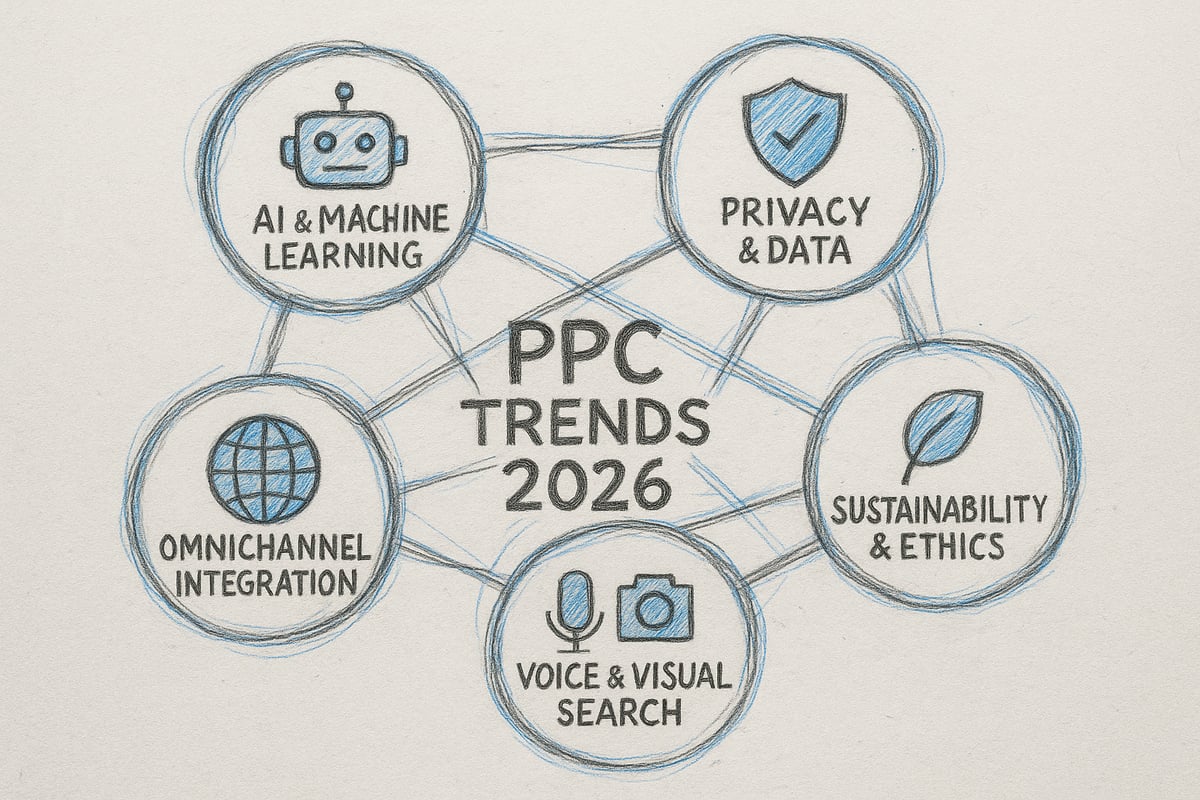
The world of digital advertising is evolving at an unprecedented pace. For any ppc advertising firm aiming to stay ahead in 2026, understanding the latest trends is not just beneficial, it is essential. From artificial intelligence to ethical advertising, the landscape is being shaped by innovation, regulation, and shifting consumer expectations.
Rise of AI and Machine Learning in PPC
Artificial intelligence is revolutionising how a ppc advertising firm approaches campaign management. AI-driven bidding and personalised ad delivery are leading to more efficient and effective results. In fact, leading agencies report that AI-powered campaigns deliver up to 30 percent higher conversion rates. A prime example is Google Ads’ Performance Max, which now sees widespread adoption for its ability to analyse signals in real time and optimise bids automatically. To explore more about how AI is transforming the industry, see AI-Powered PPC Optimization.
Privacy, Data, and the Cookieless Future
Data privacy regulations such as GDPR and the deprecation of third-party cookies are forcing every ppc advertising firm to rethink targeting methods. Firms must now rely on first-party data and contextual targeting, ensuring compliance while maintaining campaign performance. One firm successfully transitioned to first-party data strategies, resulting in improved targeting and higher engagement rates. Collecting consented data and leveraging contextual signals has become the gold standard for privacy-first advertising in 2026.
Omnichannel Integration and Cross-Platform Campaigns
Synchronising PPC efforts across platforms like Google, Bing, Meta, TikTok, and new digital channels is now a core strategy for any ppc advertising firm. Omnichannel campaigns allow for unified reporting and better attribution, giving agencies a holistic view of performance. According to an industry survey, 68 percent of firms consider omnichannel integration the key driver of PPC growth. Unified data streams help agencies attribute conversions accurately and optimise budgets across all touchpoints.
Voice & Visual Search in Paid Advertising
The surge in voice and visual search queries is reshaping how a ppc advertising firm builds campaigns. With more users searching via smart speakers and visual platforms, optimising ads for these formats is critical. Brands are successfully deploying visual search ads on Pinterest and Google Lens, capitalising on image recognition and conversational keywords. To succeed, firms focus on natural language in ad copy and ensure visuals are optimised for search engines and discovery platforms.
Sustainability and Ethical Advertising
Consumer demand for responsible advertising is at an all-time high, and every ppc advertising firm is responding. Ethical practices and sustainability commitments are now central to campaign strategy. Firms are adapting by promoting eco-friendly messaging, using less intrusive ad formats, and ensuring transparency. Market research indicates that 54 percent of users favour brands with clear ethical ad policies. This trend is driving agencies to prioritise purpose-driven campaigns and responsible media buying.
Advanced Audience Targeting and Segmentation Techniques
Mastering advanced audience targeting is essential for any ppc advertising firm seeking to maximise campaign precision in 2026. As the digital ecosystem evolves, firms must adopt cutting-edge segmentation methods to reach the right users, at the right time, with the right message.
Harnessing First-Party Data for Precision Targeting
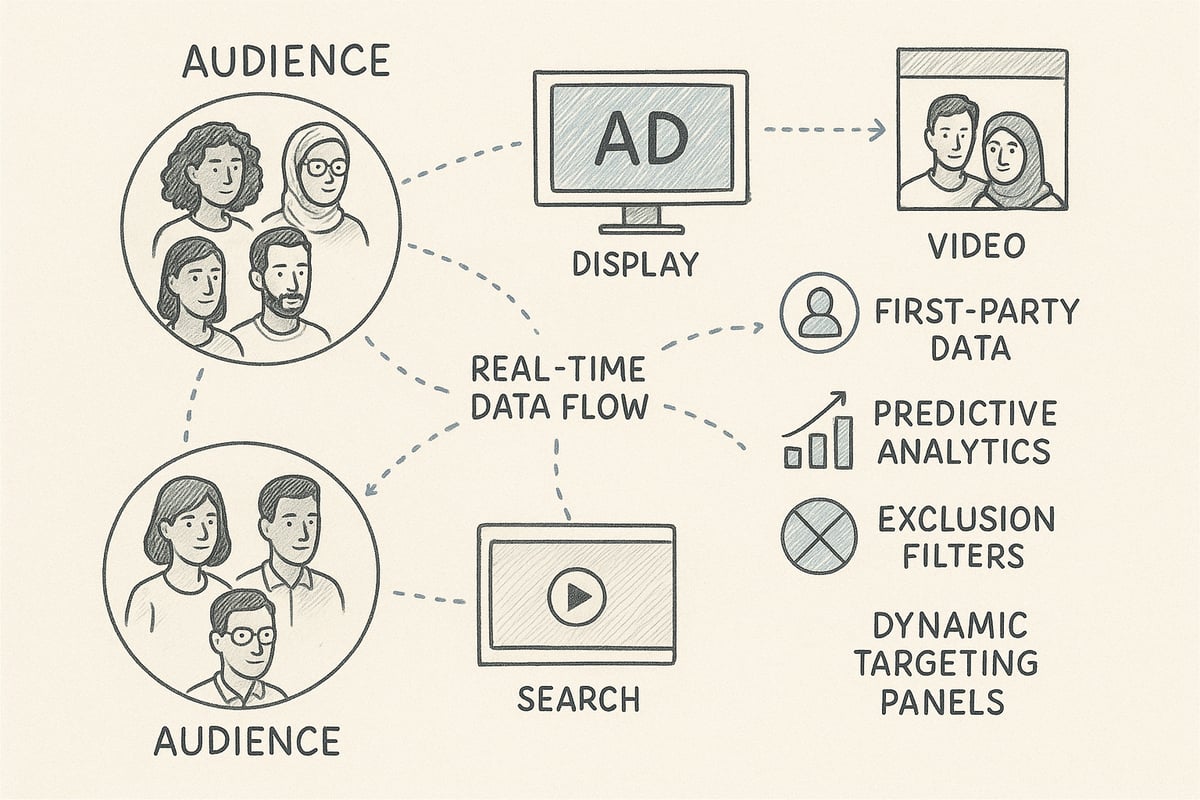
The shift towards privacy-first marketing has made first-party data a crucial asset for every ppc advertising firm. Firms are collecting data directly from customer interactions, web analytics, and CRM systems, then activating it within ad platforms for unmatched targeting accuracy.
By leveraging this data, agencies can build lookalike and custom audiences that closely resemble their best customers. For example, an e-commerce brand saw a 40% increase in ROAS after integrating their CRM with ad campaigns. For more insights on the importance and application of first-party data, see First-Party Data in PPC.
Behavioural and Predictive Targeting
Behavioural and predictive targeting empowers a ppc advertising firm to move beyond static segments. By analysing users’ browsing patterns, purchase history, and engagement signals, agencies can anticipate intent and deliver more relevant ads.
Modern platforms use AI to forecast which users are most likely to convert, automating audience updates in real time. Firms utilising predictive targeting tools in 2026 report a 25% higher click-through rate, making this technique indispensable for results-driven campaigns.
B2B vs. B2C Targeting Strategies
Targeting strategies differ significantly between B2B and B2C campaigns, impacting how a ppc advertising firm approaches segmentation. In B2B, account-based marketing (ABM) focuses on engaging specific companies or decision-makers, often using LinkedIn or intent data.
B2C strategies rely more on demographic, interest, and behavioural data to reach broad audiences. For instance, a SaaS provider doubled lead quality with a tailored ABM approach, while retailers thrive by refining consumer profiles for mass targeting.
Audience Exclusion and Negative Targeting
Refining who sees your ads is just as important as targeting new prospects. A ppc advertising firm deploys audience exclusion and negative targeting to avoid wasted spend by removing irrelevant segments, such as existing customers or non-converting users.
Effective negative targeting can reduce overall PPC costs by up to 18%. Techniques include excluding certain demographics, competitor audiences, or previous converters, ensuring budgets are directed only where they matter most.
Dynamic Audience Segmentation in Real-Time
With automation, a ppc advertising firm can update audience segments dynamically as user behaviour changes. Real-time segmentation tools allow agencies to react instantly, adjusting campaigns during key events like flash sales or product launches.
For example, a retailer leveraged real-time segmentation to boost conversions during a limited-time promotion. This agility ensures campaigns remain relevant, competitive, and highly effective in a fast-paced digital landscape.
Automation, AI, and Smart Bidding Strategies
The rapid evolution of automation and artificial intelligence is redefining what it means to be a leading ppc advertising firm. By 2026, agencies that master these innovations will consistently outperform their competitors and deliver stronger ROI for clients. In this section, we explore the latest advancements and best practices every ppc advertising firm should embrace for success.
Automated Bidding Algorithms: What’s New in 2026
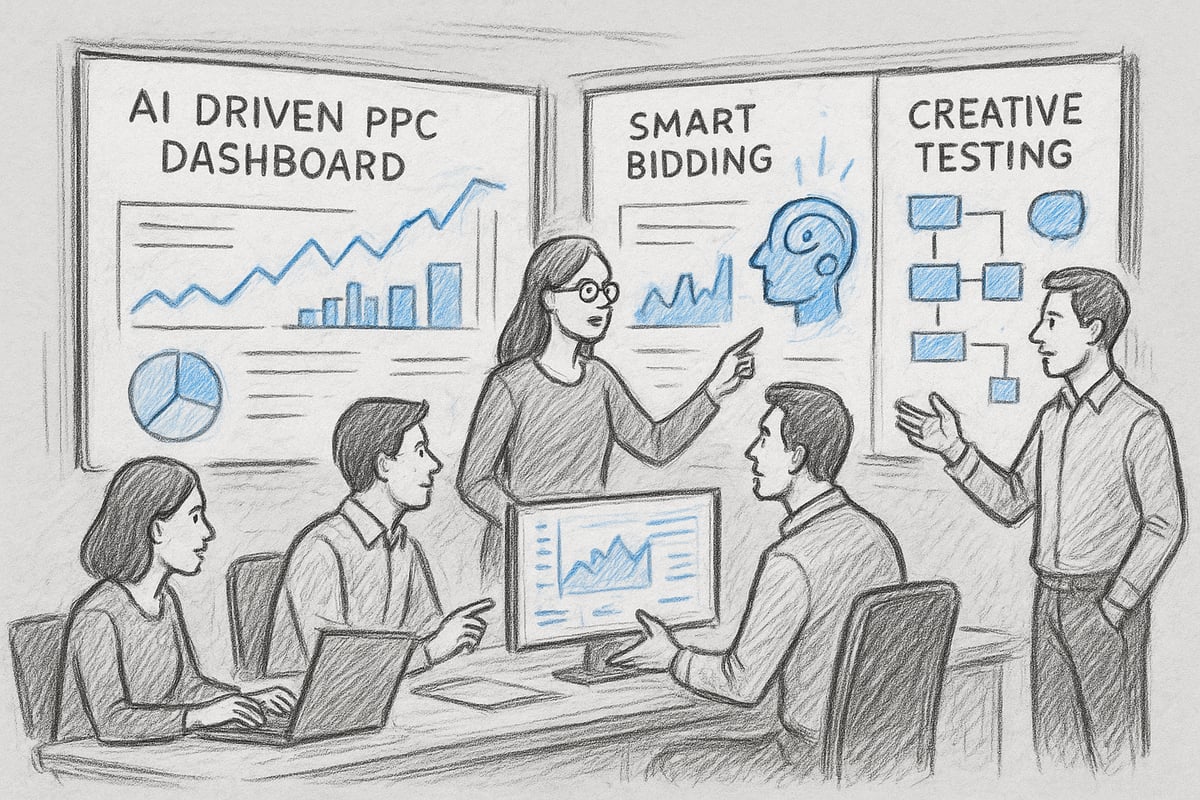
Automated bidding algorithms have become the backbone of every forward-thinking ppc advertising firm. In 2026, value-based bidding and real-time optimisation are the new standards, allowing agencies to automatically prioritise high-value conversions.
With platforms like Google Ads and Bing constantly refining their smart bidding options, firms now leverage machine learning to adjust bids dynamically for each auction. This ensures campaigns achieve maximum cost efficiency and conversion potential.
A recent survey shows that 70% of top agencies use automated bidding by default, citing improved results and reduced manual effort. For any ppc advertising firm aiming to stay competitive, adopting the latest bidding strategies is essential.
AI-Driven Creative Optimisation
AI is not only changing how ads are delivered but also how they are created and tested. A modern ppc advertising firm uses artificial intelligence to generate, personalise, and A/B test creatives at scale, ensuring every audience segment sees the most relevant message.
By automating creative testing, agencies can quickly identify top-performing visuals and copy, adjusting campaigns in real time. For example, a retail brand recently boosted ad engagement by 25% after deploying AI-driven creative optimisation.
This approach enables a ppc advertising firm to deliver highly personalised experiences, increasing both engagement and conversion rates across all platforms.
Smart Campaign Management and Workflow Automation
Efficiency is crucial for any ppc advertising firm managing multiple clients and campaigns. The latest automation tools streamline reporting, budget allocation, and routine campaign adjustments, freeing up teams to focus on strategy and analysis.
With workflow automation, agencies report saving over 15 hours per week, allowing them to scale operations without sacrificing quality. Integrating a Paid Media Marketing Agency approach provides additional expertise in automating complex paid media strategies.
For a ppc advertising firm, embracing advanced automation tools is no longer optional. It is the key to delivering consistent, high-quality results in a fast-paced market.
Predictive Budgeting and Spend Forecasting
Predictive analytics are transforming how a ppc advertising firm approaches budget management. AI-powered tools now forecast spend and performance with impressive accuracy, enabling smarter allocation of resources.
By analysing historical and real-time data, these models help agencies anticipate trends and adjust budgets proactively. One agency reduced overspend by 20% after implementing predictive budgeting, ensuring every pound works harder for their clients.
For a ppc advertising firm, predictive forecasting is indispensable for optimising campaigns and maintaining profitability, especially as competition intensifies.
Human Oversight: Balancing Automation with Expertise
Despite the power of automation, the expertise of a ppc advertising firm’s team remains critical. Human analysts interpret data, provide strategic direction, and fine-tune automated systems to align with broader business goals.
Best practices involve regular reviews of automated campaigns, using expert judgement to catch anomalies and identify new opportunities. Research shows that hybrid approaches—combining automation with human oversight—outperform fully automated or manual strategies by 12%.
In 2026, the most successful ppc advertising firm will be one that blends cutting-edge technology with the irreplaceable insights of seasoned professionals.
Creative Excellence: Ad Copy, Design, and Testing in 2026
Creative excellence is the defining factor for any ppc advertising firm aiming for standout results in 2026. With audiences bombarded by messages across countless platforms, only the most innovative and relevant ads break through. This section explores how personalisation, advanced formats, responsive design, testing, and user-generated content drive superior PPC outcomes.
Personalisation at Scale: Dynamic Creative Optimisation
Personalisation has become the gold standard for any ppc advertising firm. Dynamic creative optimisation enables firms to tailor ad copy and visuals to each user in real time, based on demographics, browsing behaviour, and intent signals.
Modern tools, like Google’s dynamic creative and Meta’s Advantage+ suite, automate this process at scale. For example, a travel brand using dynamic ads can show custom destination images and offers based on previous searches, leading to a measurable lift in bookings.
With these techniques, firms create hyper-relevant experiences, ensuring every impression has the highest chance of conversion. As personalisation at scale becomes more accessible, staying ahead requires continuous creative innovation.
Video and Interactive Ad Formats
Video and interactive ads are now essential for any ppc advertising firm looking to maximise engagement. The growth of short-form video on platforms like TikTok and YouTube Shorts has transformed how brands capture attention.
Best practices include using concise storytelling, mobile-first layouts, and interactive elements such as polls or swipe features. Data shows interactive ads achieve twice the engagement rates of static formats, making them a smart investment.
Incorporating these formats not only increases reach but also provides deeper insights into user preferences and behaviours. Creative teams should continually test new formats to maintain relevance and drive results.
Responsive and Adaptive Ad Design
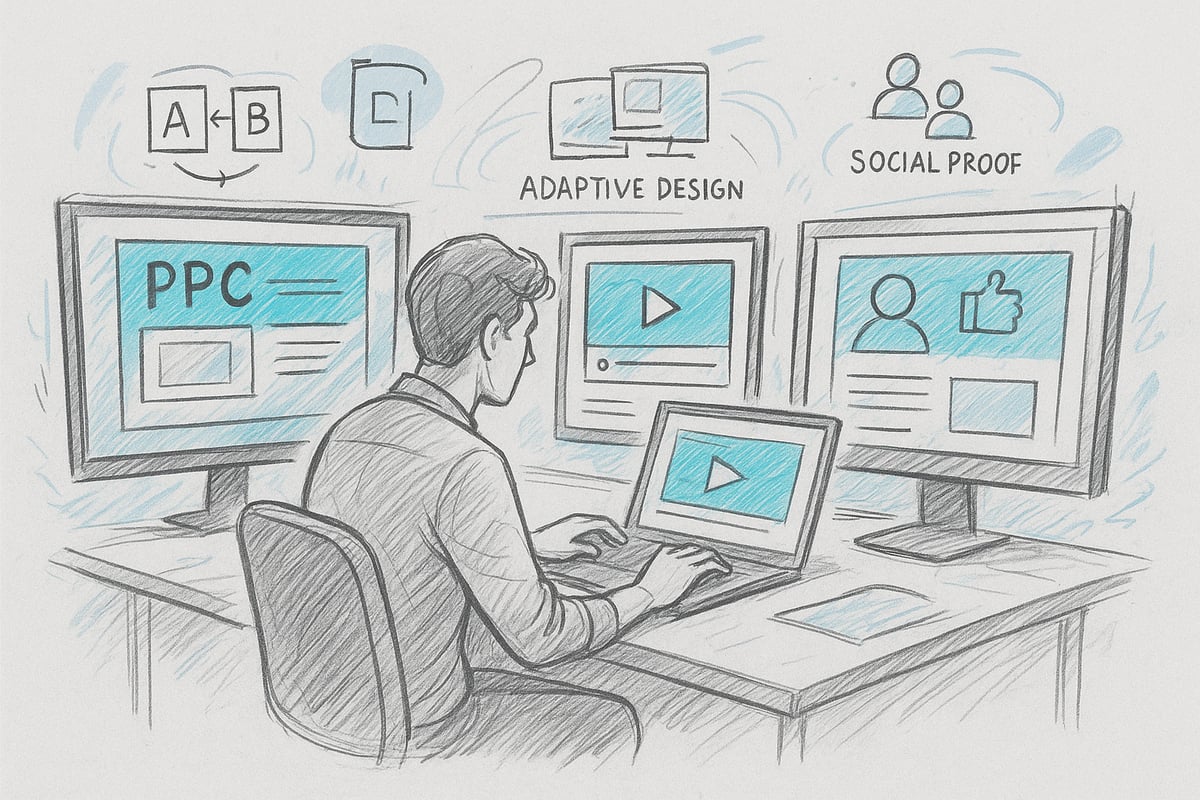
Responsive and adaptive ad design is critical for a ppc advertising firm in 2026. With users accessing content across smartphones, tablets, and desktops, ads must automatically adjust to different screen sizes and contexts.
This involves using adaptive templates, flexible media assets, and context-aware messaging. For example, an e-commerce brand improved mobile conversions by deploying ads that resized and restructured content for smaller screens.
Investing in responsive design ensures consistent brand messaging and seamless user experiences, regardless of device. Firms that master adaptive creative can reduce bounce rates and increase conversion opportunities.
Continuous A/B and Multivariate Testing
Testing is the backbone of creative success for any ppc advertising firm. Advanced A/B and multivariate testing methodologies allow agencies to experiment with headlines, visuals, calls to action, and layouts simultaneously.
Modern platforms automate test distribution and analysis, enabling rapid scaling. Firms running multivariate tests have seen conversion rates improve by 35 percent, proving the value of a data-driven approach.
To stay competitive, agencies should establish a culture of continuous testing, using real-time analytics to refine creative assets and adapt quickly to changes in audience response.
Leveraging User-Generated Content in PPC Ads
User-generated content (UGC) is a powerful tool for a ppc advertising firm seeking to build trust and authenticity. Integrating reviews, testimonials, and customer photos into ad creatives increases credibility and engagement.
Strategies include incentivising customers to share content, implementing fast approval workflows, and featuring UGC prominently in campaigns. A beauty brand, for instance, boosted click-through rates by showcasing real customer experiences in ads.
By leveraging UGC, firms tap into social proof, creating relatable and persuasive messages. This approach strengthens community ties and drives measurable improvements in campaign performance. For more inspiration on evolving creative strategies, explore the Digital Marketing Insights Category.
Measurement, Attribution, and Proving ROI
Tracking the impact of every ad pound is more challenging than ever for any ppc advertising firm. With evolving technology and privacy standards, agencies must rethink how they measure, attribute, and prove ROI for their clients. Effective measurement is not just about reporting numbers, but about drawing actionable insights that drive campaign success.
Next-Gen Attribution Models for 2026
As third-party cookies fade, the ppc advertising firm landscape is shifting to data-driven, multi-touch attribution. These models assign value to every step a user takes before converting, not just the first or last click. This approach gives a more accurate picture of how different ads and platforms contribute to conversions.
| Attribution Model | Description | Adoption Rate (2026) |
|---|---|---|
| Last Click | Credits final touchpoint | 12% |
| First Click | Credits initial touchpoint | 8% |
| Multi-Touch (Data-Driven) | Values all touchpoints using AI | 60% |
| Linear | Equal value to each interaction | 20% |
The trend towards multi-touch attribution means agencies can offer more transparent and strategic reporting to clients.
Integrating Offline and Online Conversions
For a ppc advertising firm, linking digital campaigns to offline results is crucial. Many users browse online but purchase in-store or over the phone. Integrating CRM and POS systems with PPC platforms enables agencies to track these conversions seamlessly.
A leading retailer recently connected their in-store sales to Google Ads campaigns. This holistic approach provided a full view of the customer journey, allowing for smarter budget allocation and proving the real value of their PPC spend.
Real-Time Analytics and Custom Dashboards
Fast access to campaign data is a game-changer for any ppc advertising firm. Real-time analytics empower teams to spot trends, react to issues, and optimise campaigns on the fly.
Custom dashboards, built with tools like Google Data Studio or Tableau, let agencies present tailored, meaningful insights to clients. Agencies leveraging real-time analytics report a 40% improvement in reaction speed, helping them stay ahead in a rapidly changing market.
ROI-Focused KPIs and Metrics
Choosing the right metrics is essential for every ppc advertising firm. In 2026, agencies focus on KPIs that align with client goals, such as:
- Return on Ad Spend (ROAS)
- Customer Lifetime Value (LTV)
- Cost per Acquisition (CPA)
- Conversion Rate
- Click-Through Rate (CTR)
Transparent ROI reporting not only builds trust but also strengthens client retention. For a deeper dive, see ROI in Digital Marketing for strategies on measuring and improving PPC performance.
Overcoming Attribution Challenges in a Privacy-First Era
Adapting to privacy regulations is a top priority for every ppc advertising firm. With less access to third-party data, agencies now rely on consented first-party data and privacy-compliant tracking methods.
Many marketers cite attribution as their biggest PPC challenge. Using unified data sources and privacy-first analytics tools, agencies can still deliver accurate performance reports, even as the landscape continues to evolve.
Agency Best Practices and Future-Proofing Your PPC Firm
To secure long-term growth, every ppc advertising firm must prioritise adaptability, expertise, and ethical standards. The evolving digital landscape demands not only technical excellence but also robust agency practices to remain competitive and relevant.
Building a Future-Ready PPC Team
Success for a ppc advertising firm in 2026 starts with assembling a versatile team. Today’s agencies need professionals skilled in data analysis, creative strategy, automation, and compliance. Cross-discipline expertise is essential, blending technical know-how with creative thinking.
Ongoing training ensures your team stays ahead of trends and technology shifts. Many leading agencies are now building hybrid teams, pairing data analysts with creatives to deliver both performance and compelling campaigns. This approach fosters innovation while maintaining high standards.
To understand how top agencies structure their teams and stay ahead in the competitive UK market, explore Advertising Firms London Insights.
Client Communication and Transparent Reporting
Clear communication is the backbone of every successful ppc advertising firm. Clients expect regular updates, transparent reporting, and actionable insights. Agencies should use structured reporting templates and interactive dashboards to make data accessible.
Best practices include:
- Scheduling routine performance reviews.
- Explaining complex metrics in simple language.
- Providing direct access to campaign data.
Transparent agencies experience 30 percent higher client satisfaction, strengthening long-term relationships. Consistent, open dialogue helps manage expectations and showcases value.
Adapting to New Platforms and Technologies
The digital space evolves quickly, so a ppc advertising firm must be agile in adopting new ad platforms and tools. This means evaluating emerging opportunities like retail media networks or augmented reality ads before competitors do.
Early adoption brings first-mover advantages, positioning your agency as an industry leader. Teams should regularly assess platform performance, integrate new technologies, and remain flexible to shifting trends. In recent years, agencies embracing new platforms have consistently outperformed slower-moving competitors.
A proactive approach ensures your firm is always ready for the next big shift.
Ethical Standards and Brand Safety
Maintaining high ethical standards is essential for any ppc advertising firm. As social and regulatory pressures increase, agencies must enforce strict advertising policies and prioritise brand safety.
Key elements include:
- Transparent data practices.
- Avoiding exploitative targeting.
- Aligning campaigns with client values.
Half of all brands now prioritise agencies with robust ethical frameworks when choosing partners. By championing responsible advertising, your agency can build trust and stand out in a crowded market.
As we’ve explored, staying ahead in the fast-evolving world of PPC means embracing fresh strategies, leveraging automation, and measuring what truly matters. If you’re ready to put these 2026 insights into action and want expert support to maximise your ROI, we’re here to help you stand out. At OxD PR, we combine smart targeting, creative optimisation, and ethical best practices to drive real business growth. Why wait to see results? Let’s discuss how we can tailor a high-converting PPC strategy for your brand—simply Get a Quote and take the first step towards your next breakthrough.