Web Design Company London: Expert Guide for 2026
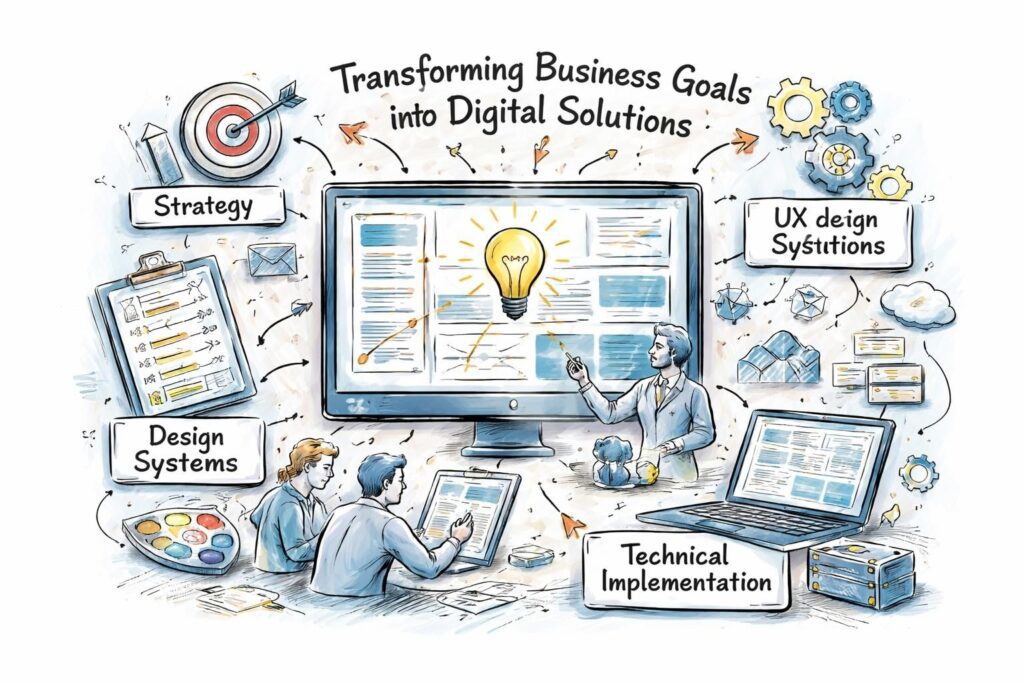
Finding the right web design company London can transform your business's digital presence from ordinary to extraordinary. In a city renowned for its innovation and creativity, London's web design landscape offers businesses unparalleled expertise in crafting responsive, high-converting websites that capture attention and drive measurable results. Whether you're a startup seeking your first digital footprint or an established brand requiring a sophisticated redesign, understanding what distinguishes exceptional web design services from mediocre ones is essential for making an informed decision that aligns with your business objectives.
Why London Remains a Global Web Design Hub
London's position as a leading centre for web design excellence stems from its unique combination of creative talent, technical innovation, and diverse business landscape. The capital attracts world-class designers, developers, and digital strategists who collaborate to push boundaries in user experience and visual design.
The Competitive Advantage of London-Based Agencies
Working with a web design company London-based offers distinct benefits that extend beyond geographical convenience. These agencies understand the unique challenges facing UK businesses, from regulatory compliance to cultural nuances that influence design decisions.
- Access to diverse talent pools spanning multiple disciplines and specialisations
- Exposure to international clients that demand cutting-edge solutions
- Proximity to fintech, creative, and tech sectors driving innovation
- Established networks connecting design, development, and marketing expertise
London agencies often maintain higher standards due to intense competition and demanding clientele. This environment naturally cultivates expertise in emerging technologies, accessibility standards, and conversion-focused design principles that deliver tangible business outcomes.
Essential Services Offered by Leading Web Design Companies
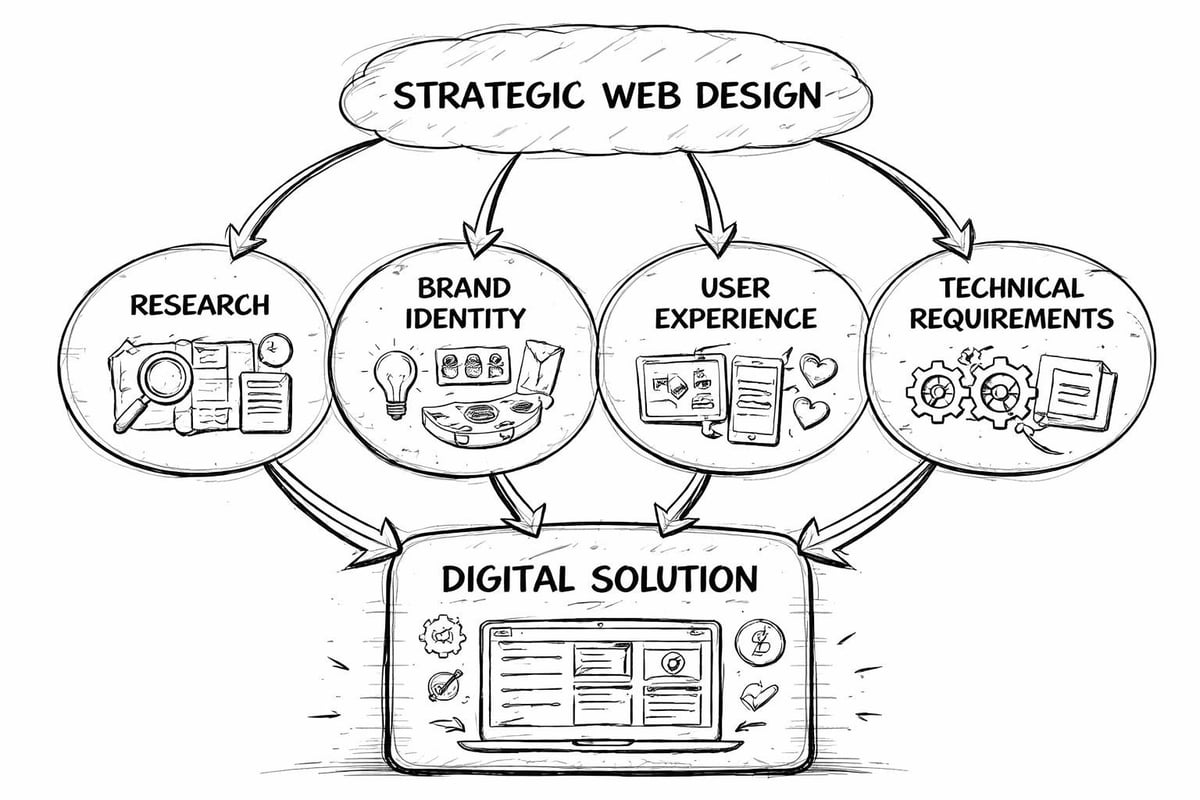
A comprehensive web design company London businesses rely on provides far more than aesthetic templates. Modern agencies deliver integrated services that address every aspect of digital presence, from initial strategy through ongoing optimisation.
Core Design and Development Capabilities
Professional web design encompasses multiple layers of expertise working in harmony. The foundation begins with strategic planning that aligns website objectives with broader business goals.
| Service Category | Key Components | Business Impact |
|---|---|---|
| Strategic Planning | User research, competitor analysis, goal setting | Ensures design serves business objectives |
| Visual Design | Brand integration, UI design, responsive layouts | Creates memorable, on-brand experiences |
| Development | Custom coding, CMS integration, performance optimisation | Delivers fast, secure, scalable websites |
| Content Strategy | Copywriting, SEO optimisation, content architecture | Improves discoverability and engagement |
Beyond these fundamentals, agencies like Webheads specialise in bespoke solutions tailored to specific business requirements. This customisation ensures your website functions as a strategic asset rather than a digital brochure.
Integrated Digital Marketing Services
The most effective web design agencies recognise that beautiful websites require visibility to generate results. Comprehensive SEO and content marketing services work alongside design to ensure your investment attracts qualified traffic.
Modern web design integrates marketing considerations from the earliest planning stages. This approach embeds conversion optimisation, search engine visibility, and user engagement directly into the site architecture.
Current Web Design Trends Shaping London's Digital Landscape
Staying current with design trends ensures your website remains competitive and resonates with contemporary audiences. However, discerning agencies balance trend adoption with timeless design principles that ensure longevity.
2026 Design Directions Worth Adopting
The top web design trends in 2024 have evolved into refined practices that dominate London's digital sphere in 2026. These include sophisticated micro-interactions that enhance usability and dynamic elements that create memorable experiences.
Performance-focused minimalism continues gaining traction as users demand faster loading times and cleaner interfaces. This trend strips away unnecessary elements whilst maintaining visual interest through strategic use of whitespace, typography, and purposeful animation.
Immersive storytelling techniques transform static content into engaging narratives. Forward-thinking agencies create scrolling experiences that reveal information progressively, maintaining visitor attention whilst communicating complex value propositions effectively.
Balancing Innovation with Usability
A reputable web design company London professionals recommend will prioritise function alongside form. Trends should enhance user experience rather than compromise accessibility or performance.
- Implementing dark mode options that reduce eye strain whilst creating modern aesthetics
- Utilising variable fonts that improve performance without sacrificing typographic sophistication
- Incorporating sustainable design practices that minimise environmental impact through efficient coding
- Adopting inclusive design principles ensuring accessibility for all users regardless of ability
The seven website design trends for 2024 emphasised video backgrounds and minimalist approaches that remain relevant today when implemented thoughtfully. The key lies in selective adoption based on your specific audience and business objectives.
Selecting the Right Web Design Partner for Your Business
Choosing a web design company London enterprises trust requires systematic evaluation beyond portfolio aesthetics. The ideal partner aligns with your business culture, understands your industry, and demonstrates proven capability delivering measurable results.
Critical Evaluation Criteria
Begin your assessment by examining technical competence and strategic thinking. Request case studies demonstrating how the agency approached similar challenges within your industry or business size.
- Review their portfolio comprehensively, looking beyond visual appeal to functionality and performance
- Examine client testimonials and case studies that detail measurable outcomes, not just subjective praise
- Assess their process and methodology to ensure alignment with your project management preferences
- Evaluate their technical expertise across platforms, frameworks, and emerging technologies
- Verify their understanding of your industry through relevant experience or demonstrated research capability
Agencies specialising in particular sectors often deliver superior results due to accumulated industry knowledge. For instance, Sparkr focuses on startups and SMEs, developing expertise in the unique challenges facing growing businesses.
Questions Every Business Should Ask Potential Agencies
Productive discovery conversations reveal whether a web design company London-based truly understands your needs. Prepare questions that probe beyond surface-level capabilities into strategic thinking and collaborative approach.
How do you measure website success beyond aesthetic appeal? Top agencies define success through metrics aligned with business objectives such as conversion rates, engagement duration, and qualified lead generation.
What ongoing support and optimisation services do you provide post-launch? Websites require continuous refinement based on user behaviour data and evolving business needs.
How do you integrate branding and marketing strategy into web design? Comprehensive agencies like those offering brand identity services ensure cohesive digital experiences that reinforce brand positioning.
The Financial Investment in Professional Web Design
Understanding pricing structures helps businesses budget appropriately whilst evaluating value propositions. A web design company London businesses choose typically offers tiered pricing reflecting complexity, customisation, and ongoing services.
Typical Cost Ranges and Value Considerations
| Project Type | Estimated Investment | Typical Deliverables |
|---|---|---|
| Template-based Website | £2,000 – £8,000 | Pre-designed theme, basic customisation, limited pages |
| Custom SME Website | £8,000 – £25,000 | Bespoke design, custom features, CMS integration |
| Enterprise Website | £25,000 – £100,000+ | Complex functionality, multiple integrations, scalable architecture |
| E-commerce Platform | £15,000 – £75,000 | Product catalogues, payment processing, inventory management |
These ranges reflect London market rates in 2026, though specific projects may fall outside these brackets based on unique requirements. Agencies like Webskitters offer various service packages accommodating different business sizes and budgets.
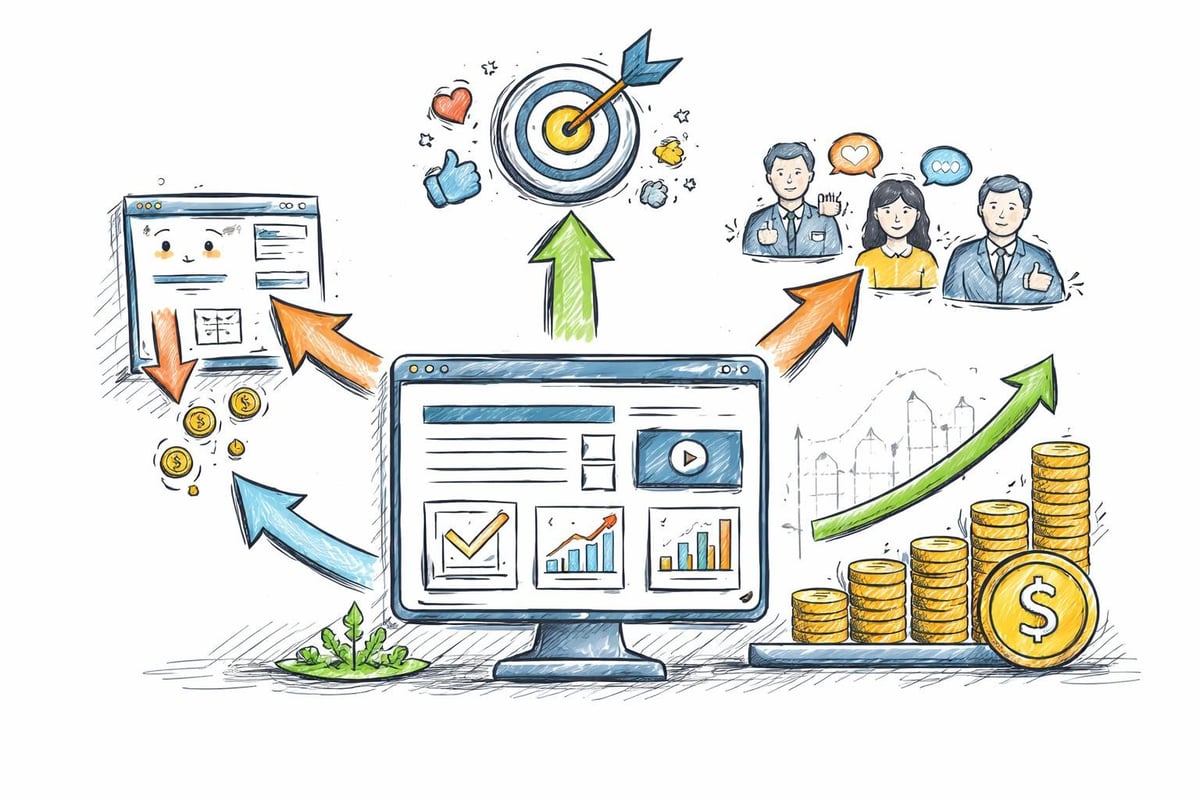
Remember that exceptional web design delivers ROI through improved conversion rates, enhanced brand perception, and reduced customer acquisition costs. A £20,000 website generating consistent qualified leads vastly outperforms a £3,000 template site that fails to engage visitors.
Hidden Costs and Ongoing Investments
Beyond initial development, factor in maintenance, hosting, and continuous optimisation. Professional web hosting ensures reliability, security, and performance that template platforms cannot match.
Effective websites evolve based on user behaviour analytics and business growth. Budget for quarterly reviews and iterative improvements that maintain competitive advantage and technological currency.
The Web Design Process: From Concept to Launch
Understanding typical project workflows helps businesses prepare adequately and collaborate effectively with their chosen agency. A structured web design company London professionals engage typically follows established phases ensuring quality outcomes.
Discovery and Strategic Foundation
Projects commence with comprehensive research establishing clear objectives, target audience understanding, and competitive positioning. This phase determines success parameters and guides all subsequent decisions.
Agencies conduct stakeholder interviews, analyse existing analytics data, and research competitor approaches. This intelligence informs information architecture, feature prioritisation, and design direction that resonates with your specific audience.
Design Development and Iterative Refinement
Visual design progresses through wireframes, mockups, and interactive prototypes. Reputable agencies present concepts explaining strategic rationale rather than simply showcasing aesthetics.
- Initial wireframes establish page structure and user flows
- Design mockups introduce visual identity and interface elements
- Interactive prototypes demonstrate user experience and transitions
- Feedback rounds refine details based on stakeholder input
Collaborative iteration ensures the final design reflects your vision whilst incorporating professional expertise. Agencies like OWDT emphasise innovative approaches that balance client objectives with user-centred design principles.
Development, Testing, and Launch
Technical implementation translates approved designs into functional websites through clean, efficient code. Professional developers prioritise performance, security, and maintainability alongside visual accuracy.
Rigorous testing across devices, browsers, and network conditions identifies issues before public launch. Quality assurance encompasses functionality testing, accessibility validation, and performance benchmarking.
Integrating Web Design with Broader Marketing Strategies
Isolated web design rarely achieves optimal results. The most successful businesses integrate website development within comprehensive digital strategies encompassing multiple channels and touchpoints.
Creating Cohesive Digital Ecosystems
Your website serves as the hub connecting various marketing activities from social media agency marketing to paid advertising campaigns. Consistent messaging, visual identity, and user experience across channels reinforces brand recognition and trust.
Modern consumers interact with brands across multiple platforms before converting. Websites must accommodate these varied entry points whilst guiding visitors toward desired actions regardless of their journey stage.
Effective integration requires strategic planning that considers how different channels complement each other. For instance, social media content drives awareness whilst the website converts interest into actionable outcomes.
Complementary Services Enhancing Web Design Impact
A full-service web design company London businesses partner with often provides adjacent services maximising digital investment returns. These include content creation, analytics implementation, and ongoing optimisation programmes.
Consider how advertising firms London integrate web design within broader campaigns, ensuring landing pages align perfectly with advertising creative and messaging. This cohesion dramatically improves conversion rates compared to disconnected approaches.
Similarly, businesses investing in app development benefit when agencies maintain design consistency between web and mobile experiences, creating seamless brand interactions across platforms.
Technical Considerations Beyond Visual Design
Whilst aesthetics capture attention, technical excellence determines whether websites achieve business objectives. Professional agencies prioritise invisible elements that profoundly impact performance, security, and scalability.
Performance Optimisation and Core Web Vitals
Google's ranking algorithms increasingly emphasise user experience metrics including page load speed, interactivity, and visual stability. These Core Web Vitals directly influence search visibility and user satisfaction.
Technical optimisation encompasses image compression, code minification, efficient caching strategies, and content delivery network implementation. These improvements often reduce load times by 50-70%, dramatically decreasing bounce rates whilst improving conversion potential.
| Performance Metric | Target Threshold | Impact on User Experience |
|---|---|---|
| Largest Contentful Paint | Under 2.5 seconds | Perceived loading speed |
| First Input Delay | Under 100 milliseconds | Interactive responsiveness |
| Cumulative Layout Shift | Under 0.1 | Visual stability during loading |
| Time to Interactive | Under 3.5 seconds | Functional readiness |
Security, Compliance, and Data Protection
Professional web design incorporates robust security measures protecting both your business and visitors. This includes SSL certificates, regular security updates, and compliance with GDPR and accessibility regulations.
Reputable agencies implement security best practices from project inception rather than retrofitting protection later. This proactive approach prevents vulnerabilities whilst ensuring regulatory compliance that avoids costly penalties.
Mobile-First Design in an Increasingly Mobile World
Mobile devices now account for over 60% of web traffic, making mobile optimisation non-negotiable for business success. A competent web design company London operates within understands that mobile experience often determines whether visitors convert or abandon.
Responsive vs Adaptive Design Approaches
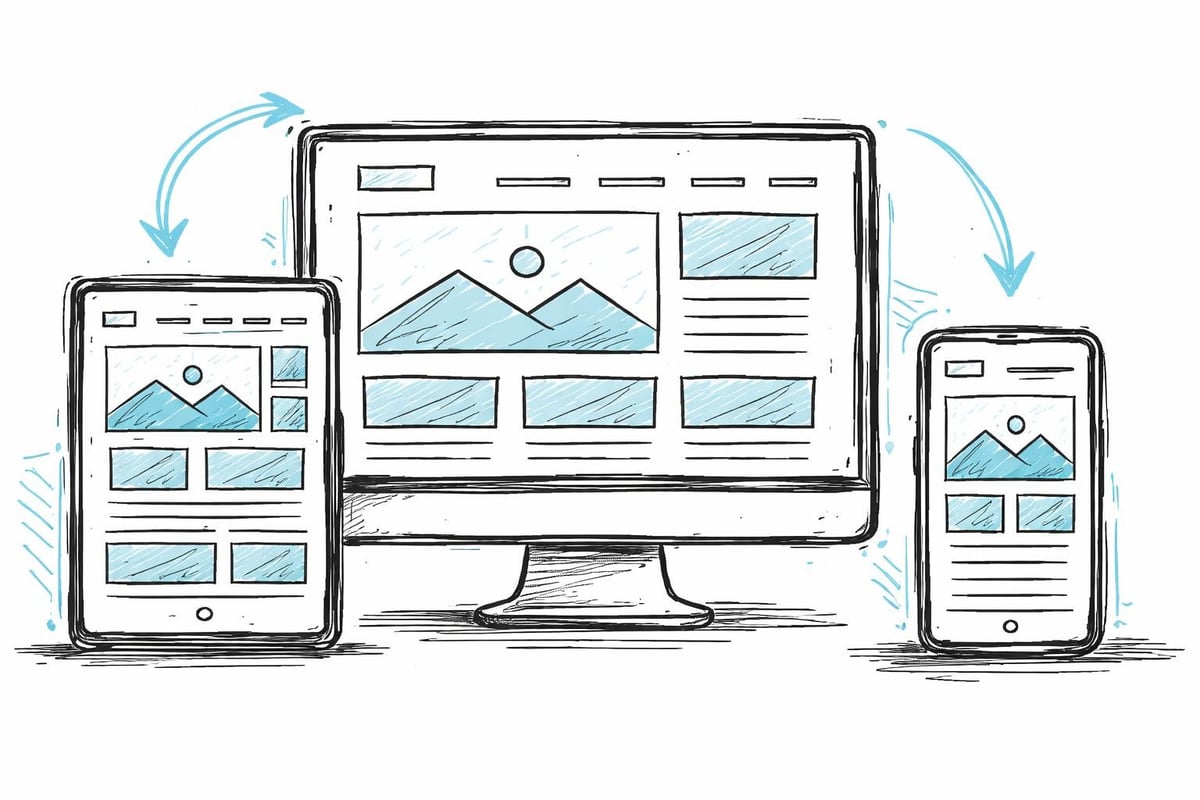
Modern websites employ responsive design that fluidly adapts to any screen size using flexible grids and scalable elements. This approach ensures consistent functionality across the ever-expanding device landscape.
Some complex applications benefit from adaptive design delivering device-specific experiences optimised for particular contexts. The appropriate approach depends on your audience behaviour and content complexity.
Progressive enhancement strategies ensure core functionality remains accessible on all devices whilst advanced features activate on capable platforms. This inclusive approach maximises audience reach without compromising experience quality.
Touch Interfaces and Mobile User Behaviour
Mobile users interact differently than desktop visitors, requiring interface adaptations beyond simple size adjustments. Touch targets must be appropriately sized, navigation simplified, and content prioritised for smaller screens.
- Implementing thumb-friendly navigation placing key actions within easy reach
- Simplifying form inputs through smart defaults and appropriate keyboard types
- Optimising content hierarchy presenting critical information prominently
- Reducing cognitive load through progressive disclosure and clear visual hierarchies
Measuring Web Design Success Through Analytics
Launching a website marks the beginning rather than conclusion of the optimisation journey. Systematic measurement reveals how design decisions impact business outcomes, guiding continuous improvement.
Essential Metrics and Meaningful Insights
Effective measurement extends beyond vanity metrics like page views to actionable indicators of user behaviour and business performance. Agencies should establish analytics frameworks capturing data relevant to your specific objectives.
Conversion tracking monitors how effectively your website turns visitors into customers, subscribers, or leads. Understanding conversion paths reveals friction points requiring design refinement.
Engagement metrics including session duration, pages per visit, and scroll depth indicate content relevance and user interest. Low engagement often signals messaging misalignment or poor information architecture.
Traffic source analysis shows which marketing channels deliver qualified visitors, informing budget allocation and campaign optimisation. Your website must serve diverse audiences arriving through varied pathways.
Iterative Improvement Based on User Behaviour
Data-driven optimisation cycles transform good websites into exceptional performers. Regular analysis identifies improvement opportunities whilst A/B testing validates design hypotheses before full implementation.
Professional agencies provide ongoing optimisation services ensuring your website evolves alongside changing user expectations and business objectives. This continuous refinement delivers compounding returns on your initial investment.
The Future of Web Design in London's Digital Ecosystem
Emerging technologies and shifting user expectations continually reshape web design requirements. Forward-thinking businesses partner with agencies staying ahead of these trends through continuous learning and experimentation.
Artificial Intelligence and Personalisation
AI-powered personalisation engines now deliver customised experiences based on user behaviour, preferences, and context. These technologies enable websites to adapt content, navigation, and recommendations for individual visitors at scale.
Chatbots and conversational interfaces provide immediate assistance whilst gathering valuable customer insights. When implemented thoughtfully, these tools enhance rather than replace human interaction.
Predictive analytics anticipate user needs based on behavioural patterns, proactively presenting relevant information or products before visitors actively search.
Voice Interfaces and Alternative Interaction Methods
Voice search optimisation requires content structured for conversational queries rather than keyword strings. Progressive web design companies adapt content strategies accommodating these evolving search behaviours.
Accessibility considerations extend beyond traditional screen reader support to encompass voice navigation, keyboard-only operation, and alternative input methods ensuring inclusive experiences.
Industry-Specific Web Design Considerations
Different sectors face unique challenges requiring specialised design approaches. A versatile web design company London businesses across industries trust adapts methodologies to sector-specific requirements and regulatory frameworks.
E-commerce and Conversion-Focused Design
Online retail demands sophisticated product presentation, frictionless checkout processes, and trust-building elements that overcome purchase hesitation. Conversion optimisation becomes paramount, with every design decision evaluated against sales impact.
Professional Services and Thought Leadership
Consultancies, agencies, and B2B service providers require websites establishing expertise whilst simplifying complex offerings. Content-rich designs balance information depth with scannable accessibility, guiding prospects through extended consideration cycles.
Hospitality and Experience-Driven Brands
Hotels, restaurants, and entertainment venues rely on immersive visual storytelling that evokes emotional responses. Design emphasises aspirational imagery, seamless booking functionality, and mobile-optimised experiences for on-the-go users.
Selecting the right web design company London businesses can partner with represents a strategic investment in digital growth and competitive positioning. By understanding the comprehensive services, technical considerations, and strategic thinking that distinguish exceptional agencies from adequate ones, you position your business for sustained online success. Whether you require a complete digital transformation or targeted website improvements, OxD PR combines award-winning design expertise with integrated marketing services that deliver measurable results, helping businesses across London and beyond establish commanding digital presences that convert visitors into customers.