8 Smart Ways To Utilise Web For Marketing In 2026

Digital marketing is evolving at breakneck speed, and in 2026, the web remains the single most powerful tool for achieving sustained business growth. As technology advances and consumer expectations shift, businesses must rethink how they use the web for marketing to stay competitive.
This article uncovers eight smart, actionable strategies that will help you maximise your marketing impact in the year ahead. You will discover the latest innovations in content creation, SEO, social media, automation, and personalisation, all backed by practical examples and data.
Ready to transform your approach? Explore proven web strategies that address today’s marketing challenges and unlock measurable results. Each tip is designed for quick implementation, so you can start seeing improvements without delay.
The Evolving Web Marketing Landscape in 2026
The web for marketing is undergoing a rapid transformation, driven by shifts in consumer expectations and technological innovation. As we move into 2026, businesses are rethinking how they use digital platforms to reach and engage audiences. The web remains the anchor for these efforts, but the landscape is more complex and dynamic than ever before.
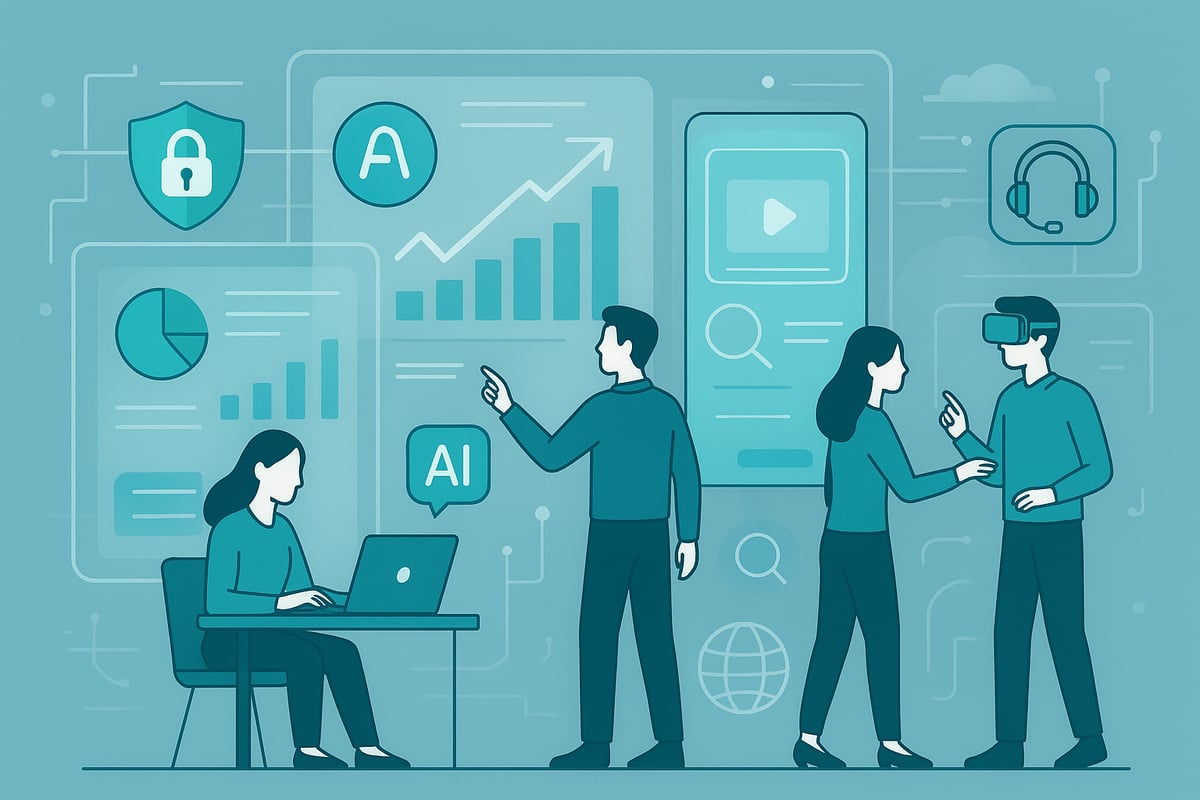
The Digital Marketing Shift: 2026 Trends
Consumer behaviour in 2026 is shaped by convenience, personalisation, and trust. Audiences expect seamless, tailored experiences across every touchpoint. Technology is keeping pace, with AI-driven content, voice search, and immersive web experiences now setting the standard.
Some of the most significant trends impacting web for marketing include:
- The rise of AI-generated blogs, videos, and graphics, enabling brands to deliver content at scale.
- Voice and visual search adoption, making information accessible through natural language and images.
- The growing use of interactive web tools, such as AR product demos and quizzes, to boost engagement.
- Heightened focus on data privacy and ethical marketing, as regulations and consumer awareness increase.
- The blending of digital and physical experiences through omnichannel strategies.
Recent research highlights that over 85% of businesses now view the web as their primary channel for marketing activities. Brands leveraging immersive technologies, like virtual showrooms and interactive storytelling, are seeing measurable increases in engagement. However, challenges persist, including information overload, ad fatigue, and constantly evolving algorithms that impact visibility and reach.
AI-driven content is not only improving efficiency but also boosting ROI. According to AI-driven content marketing statistics 2025, AI-powered tools are helping marketers reduce production time and enhance personalisation, making web for marketing more impactful than ever.
Why the Web Remains Central to Marketing Success
The web for marketing continues to serve as the foundation for discovery, engagement, and conversion. Unlike other channels, the web integrates seamlessly with email campaigns, social media, and paid ads, creating a unified customer journey.
Websites act as trust-building hubs, providing authoritative information, social proof, and interactive features that convert visitors into loyal customers. For example, a leading retailer implemented a web-first marketing strategy, combining dynamic content with AI-powered recommendations. The result was a threefold increase in ROI within a single year.
The scalability and measurability of web for marketing set it apart in 2026. Marketers can track user journeys in real time, optimise content based on data, and respond quickly to changing trends. This agility is crucial as customer expectations evolve and new technologies emerge.
In summary, adapting strategies for the web for marketing is no longer optional. It is essential for brands aiming to thrive in an environment defined by innovation, transparency, and measurable success.
8 Smart Ways To Utilise Web For Marketing In 2026
The web for marketing in 2026 is not just a channel, but the engine that drives business growth. As digital landscapes evolve, marketers must embrace smarter, more agile tactics to stand out. Here are eight cutting-edge strategies to help you maximise the web for marketing, each offering practical steps and measurable results.
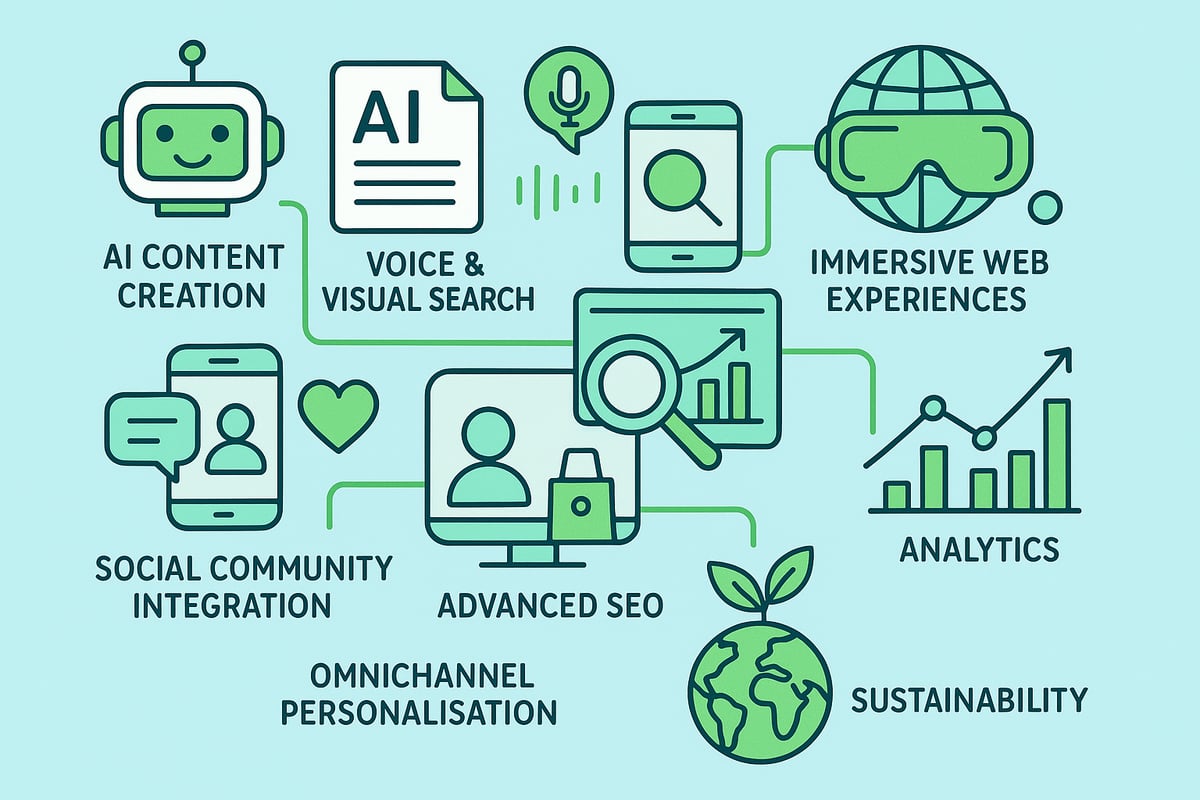
1. Harness AI-Powered Content Creation
Artificial intelligence is revolutionising the web for marketing by making content production faster and smarter. AI-driven tools can now generate high-quality blogs, videos, and graphics tailored to specific audiences. This capability allows businesses to deliver the right message at the right time, at scale.
With AI, marketers can automate repetitive tasks such as scheduling emails or posting to social media. Dynamic personalisation is also possible, as AI analyses user behaviour to serve individualised content. For example, AI chatbots can instantly answer customer queries and guide users through the buyer journey, improving engagement and satisfaction.
Statistics show that AI content tools can reduce content production time by up to 60 percent, freeing teams to focus on strategy. At the same time, ethical considerations are paramount. While AI can enhance efficiency, maintaining a consistent brand voice and ensuring content accuracy remains essential.
The web for marketing is more efficient with AI, but always balance automation with human oversight to build trust with your audience.
2. Optimise for Voice and Visual Search
Search habits are changing rapidly, with more people using voice assistants and image-based tools like Google Lens. To leverage the web for marketing, businesses must adapt their content for these new search behaviours.
Start by incorporating schema markup, which helps search engines understand your content. Use conversational keywords that mirror how people speak, and optimise images with descriptive alt text. Retailers, for example, have seen increased traffic by adding voice-optimised FAQs and ensuring product images are search-friendly.
By 2026, 55 percent of online searches are expected to be conducted via voice or visual interfaces. Early adopters of these tactics on the web for marketing often see significant boosts in organic traffic.
Adapting your strategy now ensures you are not left behind as search technology evolves.
3. Leverage Interactive and Immersive Web Experiences
Static web pages are no longer enough for marketing success in 2026. Interactive elements such as AR/VR experiences, quizzes, calculators, and infographics are transforming how brands engage with visitors. These tools invite users to participate, increasing time spent on site and deepening brand connections.
For example, e-commerce brands are using virtual try-ons, allowing shoppers to see products in real time before purchasing. Data reveals that interactive content generates twice the conversions of static content, making it a powerful driver for the web for marketing.
Embedding interactive features in landing pages and blogs can boost engagement and provide valuable insights into user preferences. However, it is vital to balance innovation with usability, ensuring all visitors enjoy a seamless experience.
Make interactive content a core part of your web for marketing strategy to stand out in a crowded digital world.
4. Implement Advanced SEO and Semantic Optimisation
SEO in 2026 is more complex, but also more rewarding for those who master it. The web for marketing now relies on advanced tactics such as E-E-A-T (Experience, Expertise, Authoritativeness, Trustworthiness) and semantic search. Creating topic clusters, writing intent-based content, and using structured data help search engines understand your site in depth.
A B2B company, for instance, doubled its organic leads by building comprehensive pillar pages and optimising for user intent. Organic search continues to drive 70 percent of web traffic, making it essential for marketing impact.
Technical elements like Core Web Vitals, mobile-first design, and accessibility are now baseline requirements. To stay ahead, explore Advanced SEO insights and trends for up-to-date strategies. Mastering advanced SEO ensures your web for marketing efforts deliver measurable results and sustainable growth.
5. Build Communities Through Social and Web Integration
The web for marketing thrives when brands integrate social feeds, forums, and reviews directly into their websites. By building branded online communities, businesses foster ongoing engagement and loyalty.
One example is a company that created a web-based members portal, driving a sense of belonging and increasing repeat purchases. Community-driven brands experience 30 percent higher customer retention, as peer recommendations and social proof become powerful conversion drivers.
To encourage sharing and interaction, include user-generated content, real-time chat, and easy social sharing options. These tactics amplify your web for marketing reach and help build authentic relationships with your audience.
Building a community is a long-term investment, but it pays off by turning customers into advocates.
6. Master Omnichannel and Cross-Device Personalisation
Today’s customers expect seamless journeys across every touchpoint. The web for marketing must therefore connect web, mobile, email, and offline experiences for true omnichannel personalisation.
Using marketing automation and CRM data, brands can create dynamic landing pages, retarget users, and trigger personalised offers. For instance, a retailer synchronising web promotions with in-store events can increase sales by up to 20 percent.
Consistency and relevance are crucial. By personalising every interaction, the web for marketing not only increases conversions, but also builds lasting loyalty.
To succeed, ensure your data is integrated and your messaging aligns across all channels.
7. Utilise Data Analytics and Conversion Optimisation
Data-driven decision-making is at the heart of the web for marketing in 2026. Setting up advanced analytics—such as GA4, heatmaps, and session recordings—gives marketers deep insight into user behaviour.
A/B testing landing pages, calls to action, and sales funnels can reveal what truly works. In one case, a SaaS company improved signups by 40 percent through targeted conversion rate optimisation. Businesses using CRO tools see ROI increases as high as 223 percent.
It is equally important to respect user privacy and use consent-first analytics. Interpreting data effectively allows agile adjustments, ensuring the web for marketing delivers both quick wins and sustainable progress.
Use analytics not just to measure, but to learn and evolve continuously.
8. Embrace Sustainable and Ethical Web Marketing
Sustainability and ethics are now core expectations for the web for marketing. Eco-friendly web design focuses on fast loading times, green hosting, and minimal tracking. Transparent privacy policies and responsible data use build trust with today’s discerning consumers.
Brands can showcase their sustainability credentials directly on their websites, appealing to the 73 percent of consumers who prefer ethical practices. Prioritising accessibility, inclusivity, and social impact messaging further strengthens your brand’s reputation.
The web for marketing is most powerful when it champions both performance and principles. Ethical marketing not only attracts customers, but also ensures long-term brand value.
Essential Tools and Resources for Web Marketing in 2026
In 2026, having the right toolkit is vital for success with web for marketing. The landscape is highly competitive and constantly evolving, making it essential for businesses to leverage platforms that streamline workflows and boost marketing outcomes.
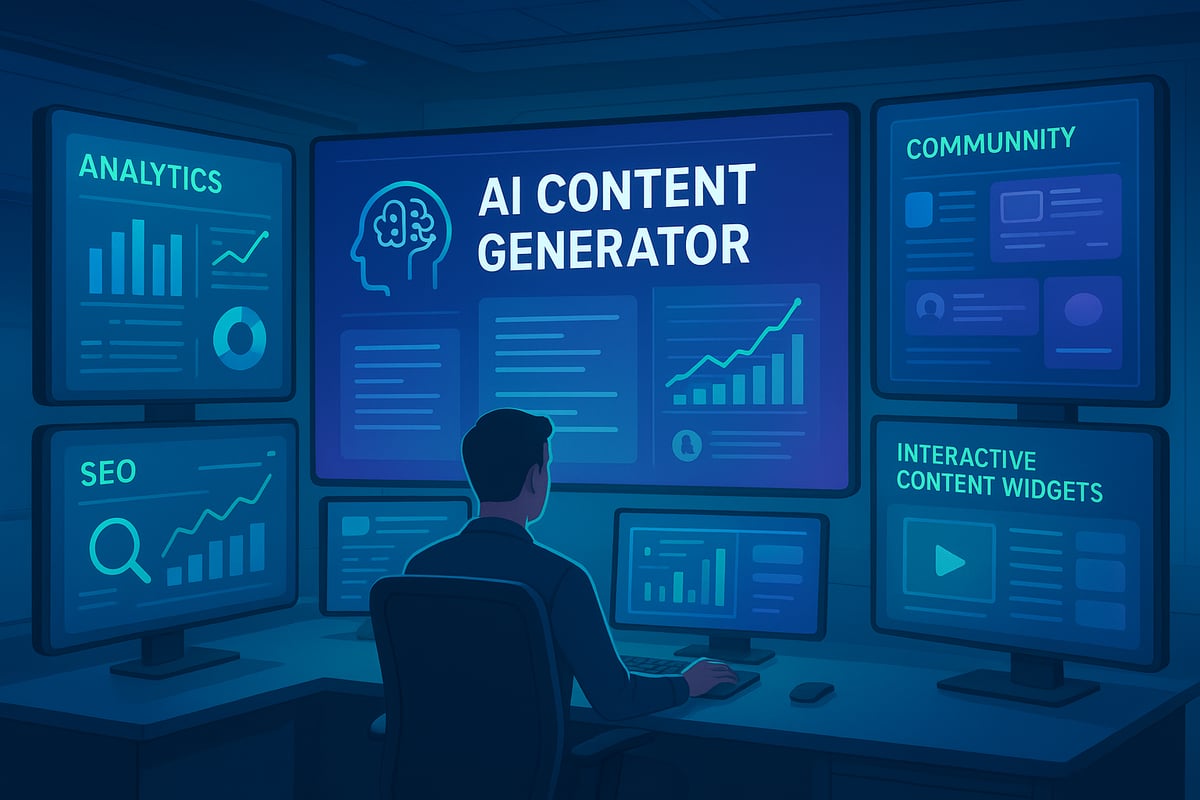
Essential Tools for Web for Marketing in 2026
Below is a summary table of leading tools for each web for marketing strategy, including core features and best use cases:
| Strategy | Tool Examples | Core Features | Ideal Use Case |
|---|---|---|---|
| AI Content | Jasper, Copy.ai, Canva Magic Write | Automated content generation, templates, personalisation | Blog posts, social content, graphics |
| Voice/Visual Search | Google Search Console, SEMrush, Moz | Voice keyword tracking, schema, image SEO | Optimising for voice and visual queries |
| Interactive Content | Outgrow, Typeform, AR/VR plugins | Quizzes, calculators, immersive elements | Engagement, lead generation |
| SEO | Ahrefs, SurferSEO, Screaming Frog | Site audits, keyword research, performance | Organic traffic growth |
| Community | Discourse, Facebook Groups, Slack Connect | Forums, chat, member management | Customer retention, loyalty |
| Omnichannel | HubSpot, Klaviyo, Salesforce Marketing Cloud | Cross-channel campaigns, automation | Personalised user journeys |
| Analytics | Google Analytics 4, Hotjar, Crazy Egg | Heatmaps, conversion tracking, A/B testing | Data-driven optimisation |
| Sustainability | GreenGeeks, Ecograder | Eco-friendly hosting, performance scores | Ethical, sustainable marketing |
Selecting the right mix of platforms is crucial for effective web for marketing. For instance, AI content tools like Jasper and Copy.ai can help agencies scale content production efficiently. If you want to dive deeper into how AI is reshaping marketing, consider reading AI transforming marketing agencies, which explores these innovations in detail.
Combining Tools for a Unified Marketing Stack
Many businesses now combine several of these tools to create a seamless web for marketing stack. For example, a brand might use SurferSEO for content optimisation, HubSpot for automation, and Hotjar for analytics. This integration streamlines workflows and ensures consistent messaging across all channels.
If you are seeking actionable guidance on building your own stack, Digital marketing strategies for small businesses offers practical examples of how these resources can be tailored to fit specific business needs.
The Importance of Ongoing Learning
The world of web for marketing does not stand still. New platforms, features, and best practices emerge rapidly. Marketers must invest in continuous learning, attend industry webinars, and experiment with the latest tools to keep their strategies competitive.
Staying informed ensures that your web for marketing approach remains both effective and future proof. By embracing innovation and adaptability, your business is well positioned to thrive in 2026 and beyond.
Future-Proofing Your Web Marketing Strategy
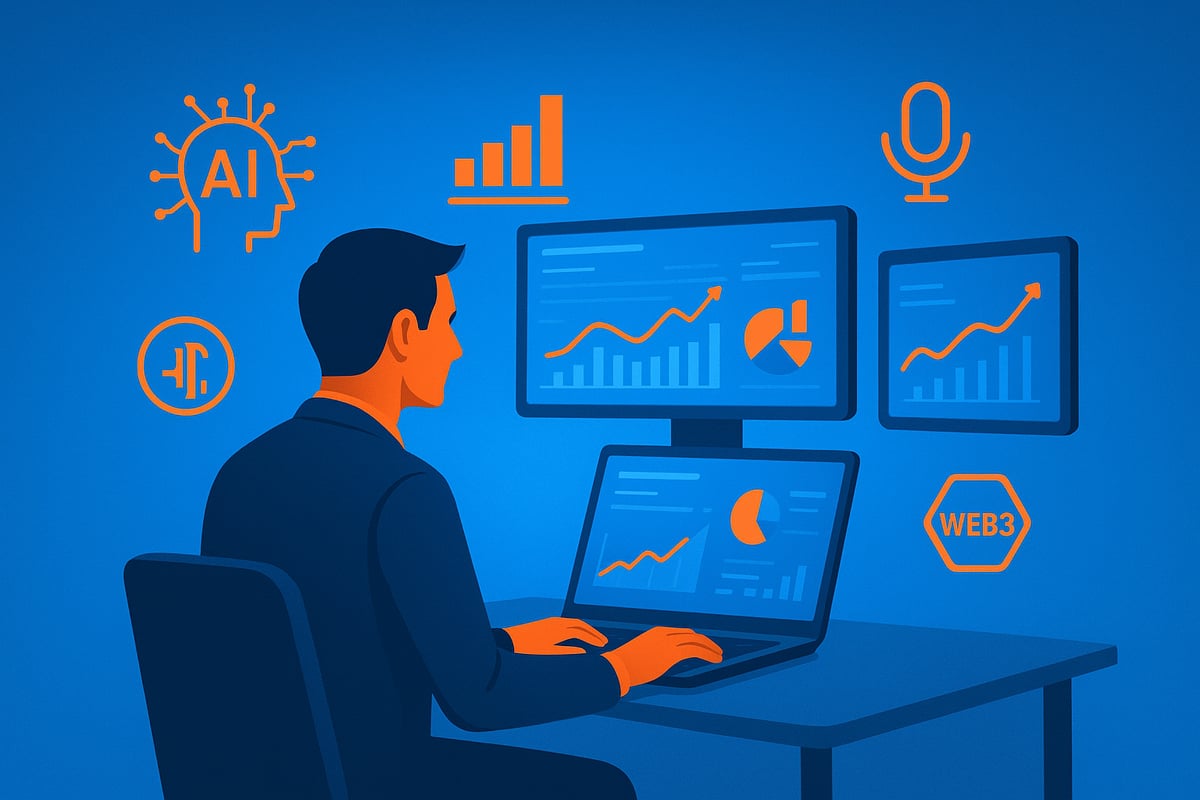
Adapting to Change and Measuring Success
The digital world is evolving rapidly, making it essential for businesses to future-proof their approach to web for marketing. Staying ahead requires not just adopting the latest tactics, but also embracing a mindset of continuous learning and agile adaptation.
Begin by setting clear KPIs for web for marketing. These should include metrics like website traffic, conversion rates, engagement levels, and customer lifetime value. Tracking these indicators helps you measure what really matters and ensures your marketing efforts drive tangible business results.
Agile marketing is now at the heart of success. Leading brands regularly test new ideas, gather feedback, and iterate quickly. For example, a retail brand recently pivoted its web for marketing strategy after analysing real-time analytics, resulting in a 25% boost in online sales. This agile approach lets you respond to shifting consumer trends and technological advances with confidence.
Data-driven decision-making is a hallmark of top performers, with 80% of leading marketers using analytics to guide strategy. Utilising tools that provide actionable insights enables you to spot opportunities and course-correct early. For deeper engagement metrics, refer to interactive content engagement statistics to see how dynamic web experiences can supercharge results.
Looking ahead, preparing for emerging technologies is crucial. The next wave of web for marketing will involve AI, decentralised platforms, and innovations like Web3. Staying informed through industry courses, thought leadership, and resources such as the AI in content marketing strategy guide will position your business to adapt swiftly.
In summary, success with web for marketing in 2026 and beyond demands measurement, agility, and an openness to new technology. By making learning and adaptability part of your culture, you ensure your web marketing strategy remains resilient and effective, whatever the future holds.
As you look ahead to marketing success in 2026, it’s clear that a smart, web-focused strategy can set your business apart. Whether you want to harness AI, master SEO, or create immersive experiences, the right marketing approach is essential for lasting growth and visibility. If you’re ready to put these ideas into action and see real results, let’s take the next step together. Discover how OxD PR can help you build a tailored digital strategy that truly works—explore our Marketing services and start elevating your online presence today.