Web Marketing Guide 2026: Strategies for Digital Success

In 2026, web marketing is evolving at breakneck speed, making it crucial for businesses to stay ahead or risk falling behind. The digital landscape is shaped by AI innovations, shifting consumer expectations, and emerging platforms that challenge traditional approaches.
This guide delivers the most effective web marketing strategies you need for digital success. Discover the latest trends, proven tactics, AI-driven solutions, omnichannel integration, and precise measurement techniques.
Ready to outperform your competitors and future-proof your marketing? Use this guide as your roadmap to thrive in the ever-changing world of web marketing.
The Evolving Landscape of Web Marketing in 2026
Web marketing has become the cornerstone of business growth in 2026. Companies are rapidly moving from traditional outreach to digital-first strategies, seeking cost-effective ways to find and nurture leads. The digital shift has led to a blend of SEO, content creation, paid advertising, and social media engagement. Leading competitors view web marketing as an essential, integrated approach to connect with targeted audiences. For instance, businesses adopting multi-channel web marketing strategies often see a significant boost in return on investment. For a comprehensive look at integrated solutions, the Full-Service Online Marketing Guide provides valuable insights.
Understanding Web Marketing Today
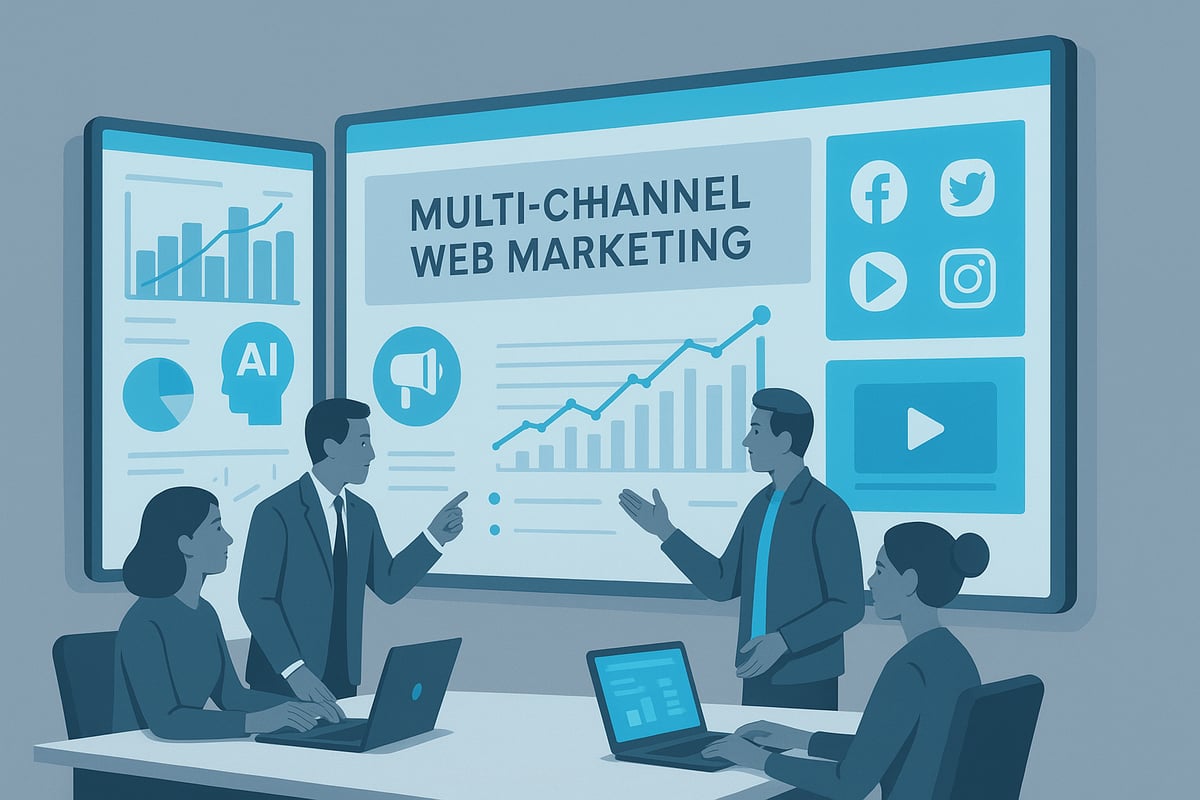
Web marketing now extends far beyond simple online ads. It encompasses a strategic mix of search engine optimisation, engaging content, social media presence, and targeted paid campaigns. Businesses leverage these channels together, creating seamless experiences for their customers. The shift to digital-first means brands are prioritising their online reputations and digital assets. Companies that invest in holistic web marketing often outperform their competitors by reaching the right audience at the right time. Multi-channel strategies allow for more precise targeting and greater ROI, making web marketing indispensable for modern growth.
Key Digital Trends Shaping 2026
The landscape of web marketing is shaped by rapid technological change. Artificial intelligence and machine learning are now mainstream, powering campaign automation and real-time personalisation. Voice and visual search continue to grow, requiring marketers to optimise for new user behaviours. Data privacy regulations are influencing how brands track and personalise interactions. Video content dominates, with over 80 percent of global internet traffic now attributed to video. Interactive media and immersive experiences are also on the rise, pushing web marketing teams to innovate constantly.
Consumer Behaviour and Expectations
Modern consumers demand personalisation and instant responses from brands. Mobile-first browsing and quick purchasing habits are now the norm. Trust in peer reviews and user-generated content has never been higher, with 70 percent of consumers valuing online reviews as much as personal recommendations. Web marketing strategies that focus on authentic engagement and real-time communication are more likely to win customer loyalty. Adapting to these evolving expectations is crucial for businesses to remain relevant and competitive in web marketing.
The Role of Data and Analytics
Data and analytics underpin every successful web marketing campaign. Real-time data allows marketers to optimise campaigns on the fly, ensuring resources are directed where they have the most impact. Predictive analytics help anticipate trends and understand evolving consumer needs. Channel attribution and forecasting tools are now essential, enabling businesses to measure the effectiveness of each web marketing channel. Companies using advanced analytics frequently achieve up to 30 percent higher marketing ROI, proving the value of data-driven decision-making.
Challenges and Opportunities
Web marketing faces both new challenges and exciting opportunities in 2026. The digital space is more crowded, with growing competition and content saturation. Ad blockers and privacy concerns require innovative approaches to maintain reach. However, emerging platforms such as new social networks and AR or VR experiences offer fresh ways to engage audiences. Early adopters of new technologies often gain a first-mover advantage, setting trends for others to follow. Staying agile and open to change is essential for web marketing success in this dynamic environment.
Core Web Marketing Strategies for 2026
Staying ahead in web marketing requires a strategic blend of technology, creativity, and data-driven decision-making. In 2026, the most successful brands will master a diverse toolkit, integrating both foundational and emerging tactics to reach and convert their audiences.
Search Engine Optimisation (SEO) in the Age of AI
SEO is evolving rapidly as AI-powered search algorithms and generative search results become standard. Today, web marketing success hinges on optimising for conversational and intent-based queries, as users expect tailored answers.
Technical SEO and structured data are vital for visibility, ensuring content is easily understood by both users and search engines. Generative Engine Optimisation services are emerging as a new frontier, enabling brands to appear in AI-generated results. For businesses seeking a competitive edge, combining traditional SEO with AI-driven tools is essential. Learn more about foundational SEO and social media marketing strategies that underpin effective web marketing.
Content Marketing: Authority, Value, and Engagement
In 2026, content is more than just information; it is your brand’s voice and authority. Effective web marketing strategies focus on producing high-quality, authoritative content that serves both users and search engines.
Data-driven storytelling and interactive formats, like quizzes and calculators, engage audiences and encourage sharing. Repurposing and updating evergreen material ensures content remains relevant and visible. Blogs, whitepapers, and video series continue to drive organic growth, while interactive experiences foster deeper connections with target audiences.
Paid Advertising: Smarter Targeting and Automation
Paid advertising has grown increasingly intelligent, with programmatic ad buying and AI-driven bidding strategies at the core of modern web marketing. Brands now run cross-platform campaigns across search, social, display, and video to reach users wherever they are.
Smarter targeting and real-time campaign optimisation help maximise ad spend and ROI. Many businesses report up to 20% cost savings by leveraging programmatic solutions. The integration of automation means marketers can focus on strategy, while algorithms handle the heavy lifting of targeting and bidding.
Social Media Marketing: Community and Commerce
Building vibrant online communities is essential for web marketing in 2026. Social commerce, including shoppable posts, streamlines the path from discovery to purchase, particularly on platforms like Instagram and TikTok.
Influencer partnerships, especially with micro-influencers, offer authentic engagement and access to niche audiences. Brands that nurture these relationships see increased trust and higher conversion rates. Social media is not just about engagement; it is a direct driver of sales and customer loyalty.
Email and Marketing Automation
Email remains a cornerstone of web marketing, but automation has transformed its impact. Hyper-personalisation, powered by AI segmentation, ensures messages are timely and relevant.
Automated drip campaigns and lifecycle marketing nurture leads through every stage of the customer journey. Integrating email with other digital channels amplifies reach and effectiveness. Automated emails now generate 320% more revenue than their non-automated counterparts, proving the value of this approach.
Video and Interactive Content
Video content dominates web marketing, with live streaming, webinars, and short-form videos capturing audience attention. Interactive elements, like quizzes and AR experiences, further boost engagement and dwell time.
Video SEO and cross-platform distribution ensure maximum reach and discoverability. A staggering 90% of marketers say video improves lead generation, making it an indispensable part of any strategy.
Omnichannel Integration
The most successful web marketing strategies in 2026 deliver seamless customer journeys across web, mobile, social, and even offline channels. Unified messaging and branding create consistent experiences at every touchpoint.
By leveraging data to personalise interactions, brands can anticipate needs and foster loyalty. Companies with robust omnichannel approaches retain 89% of their customers, demonstrating the power of integration in the digital age.
Step-by-Step Guide: Building a Future-Proof Web Marketing Strategy
Building a future-proof web marketing strategy is essential for businesses aiming to stay ahead in a rapidly shifting digital world. This step-by-step guide provides a practical framework, ensuring your web marketing efforts are focused, measurable, and ready for 2026 and beyond.
Step 1: Define Clear Objectives and KPIs
Every successful web marketing journey begins with clear, measurable goals. Start by setting SMART objectives—specific, measurable, achievable, relevant, and time-bound—that align with your business vision.
Use key performance indicators (KPIs) to track progress across channels. For example, you might target a 25% increase in qualified leads over 12 months. The table below outlines common web marketing goals and sample KPIs:
| Objective | Example KPI |
|---|---|
| Increase website traffic | +40% monthly visits |
| Boost lead generation | +25% qualified leads |
| Improve conversion rates | 5% rise in sign-ups |
Defining these metrics keeps your web marketing strategy focused and accountable.
Step 2: Know Your Audience Deeply
Understanding your audience is at the heart of effective web marketing. Develop detailed, data-driven buyer personas based on demographic, behavioural, and psychographic insights.
Leverage analytics tools and social listening platforms to uncover what motivates your customers. Segment your audience for tailored messaging, ensuring you deliver relevant content at every stage of the journey.
For example, segmenting by behaviour can lift conversions by 15%. The more you know your audience, the more effective your web marketing becomes.
Step 3: Audit Existing Assets and Channels
Before launching new initiatives, audit your existing web marketing assets. Review your website, content, SEO performance, paid ads, and social media presence.
Identify strengths, weaknesses, and gaps. Compare your performance against top competitors to spot opportunities for growth. Regular audits can lead to a 30% improvement in campaign effectiveness.
Document your findings to inform future web marketing decisions and ensure all channels are working cohesively.
Step 4: Select and Integrate the Right Channels
Choosing the right platforms is critical for web marketing success. Base your channel selection on where your audience spends time and which platforms best support your objectives.
Integrate campaigns across channels to maintain consistent messaging and branding. Allocate your budget strategically, focusing on high-performing platforms.
Companies that use four or more channels typically outperform those using only one or two. Integration strengthens your web marketing reach and impact.
Step 5: Create and Optimise High-Impact Content
Content is the engine of web marketing. Develop a comprehensive content calendar that covers blogs, videos, and social posts tailored to your audience’s interests.
Optimise each piece for SEO and user engagement. Use A/B testing to refine headlines, calls to action, and formats.
Consistent content publishing can boost web traffic by 55%. Focus on delivering value and relevance to keep your audience engaged and returning for more.
Step 6: Measure, Analyse, and Iterate
Continuous improvement is vital in web marketing. Set up analytics dashboards and use attribution models to track campaign performance.
Regularly review your data to identify what’s working and where adjustments are needed. Data-driven marketers are five times more likely to reach their ROI goals. For deeper insights into evaluating your campaigns, explore Measuring ROI in Digital Marketing.
Embrace a test, learn, and adapt approach to ensure your web marketing strategy evolves with changing trends and consumer behaviours.
Leveraging AI and Automation in Web Marketing
Artificial intelligence and automation are revolutionising web marketing in 2026. Businesses that embrace these innovations can dramatically improve efficiency, personalisation, and results across the digital landscape.
AI-Powered SEO and Content Creation
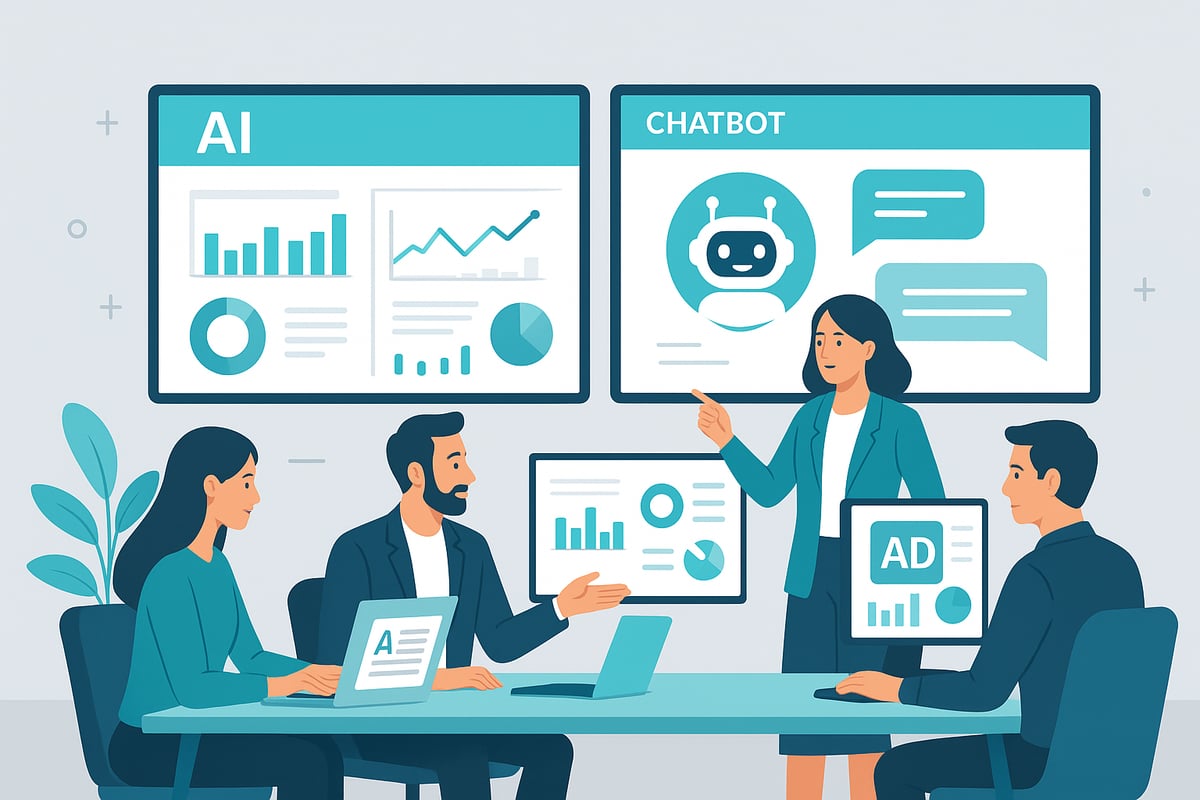
AI is transforming how teams approach SEO and content. Advanced algorithms analyse search intent, suggest high-impact keywords, and automate on-page optimisation. Marketers can now generate briefs, outlines, and even first drafts in minutes, freeing up time for strategy and creativity.
AI-driven personalisation tailors content to individual preferences, increasing engagement and relevance. For deeper insights into how AI is automating creativity and boosting digital campaign performance, explore this AI Marketing: Automating Creativity for Digital Campaigns resource.
By making these tools central to your web marketing efforts, you can double content production speed while maintaining quality.
Automated Ad Campaigns and Bidding
Web marketing is seeing a surge in automated advertising. Machine learning algorithms manage real-time ad placement, optimise bids, and adjust budgets based on live performance data. This means campaigns are more responsive to shifts in audience behaviour and market trends.
Dynamic creative optimisation allows ads to be tailored in real time, increasing click-through rates and conversions. Businesses using automated bidding in web marketing often achieve higher ROI with less manual oversight. Automation ensures your campaigns stay competitive and cost-effective.
Chatbots and Customer Experience Automation
Chatbots have become essential in web marketing, offering instant, personalised support around the clock. AI-powered bots guide visitors, answer questions, and qualify leads without human intervention.
Automated workflows nurture prospects, schedule appointments, and follow up seamlessly, enhancing the customer journey. Companies leveraging chatbots in web marketing report significant reductions in support costs and improved satisfaction. Automation ensures no opportunity for engagement is missed.
Predictive Analytics for Campaign Optimisation
Predictive analytics is reshaping web marketing strategy. By analysing historical and real-time data, AI models forecast trends, identify new opportunities, and refine targeting.
Marketers can anticipate shifts in consumer behaviour, adjust campaigns proactively, and allocate resources more efficiently. The result is a smarter, more agile web marketing approach that consistently delivers better outcomes. Predictive insights drive ongoing improvement and measurable growth.
Measuring Success: Analytics, Attribution, and ROI
Understanding the effectiveness of your web marketing efforts is essential for long-term growth. In 2026, measurement is more advanced, offering deeper insights and greater precision. Reliable analytics, robust attribution models, and clear ROI tracking ensure every campaign delivers value. Let us explore the key elements that drive measurable success in web marketing.
Setting Up Advanced Analytics
A strong analytics foundation is crucial for web marketing in 2026. Implementing Google Analytics 4 provides detailed insights into user behaviour, while heatmaps reveal real-time engagement on site elements. Conversion tracking is vital for measuring campaign outcomes and identifying where prospects turn into leads or customers.
Integrate multi-touch attribution to understand the full customer journey across channels. This approach uncovers which touchpoints drive conversions, helping you allocate resources more effectively. Companies using advanced analytics report 15% greater accuracy in ROI calculations. With the right tools, web marketing becomes a data-driven engine for business growth.
Attribution Models for 2026
Attribution models are evolving to match the complexity of today’s web marketing landscape. Comparing models helps you select the best fit for your campaigns:
| Attribution Model | Description | Best For |
|---|---|---|
| First-click | Credits the first interaction | Awareness campaigns |
| Last-click | Credits the final interaction | Conversion-focused ads |
| Data-driven (AI) | Uses AI to assign weighted credit | Complex, multi-channel |
AI-powered attribution is especially valuable for intricate customer journeys, where multiple channels influence decisions. According to Machine Learning-Based Research of AI Marketing: Topic Analysis and Model Construction, machine learning models are reshaping how marketers evaluate engagement and allocate budgets. Choosing the right model ensures your web marketing investments deliver optimal results.
Key Metrics to Monitor
Tracking the right metrics is central to web marketing success. Focus on core indicators such as:
- Overall website traffic and unique visitors
- Conversion rates for key actions
- Engagement metrics like time on site and bounce rate
- Customer lifetime value (LTV)
- Channel-specific metrics: cost per click (CPC), return on ad spend (ROAS), click-through rates
High-performing marketers routinely monitor at least eight critical metrics per campaign. This comprehensive approach enables you to identify strengths, spot weaknesses, and adjust tactics for continuous improvement in web marketing.
Continuous Improvement and Reporting
Success in web marketing requires ongoing analysis and agile adaptation. Set up automated reporting dashboards to keep key metrics visible and actionable. Regular reviews of your data empower teams to optimise campaigns and address challenges quickly.
Continuous, data-driven reporting increases accountability and drives higher performance across your marketing team. Brands that embrace this discipline see measurable gains in ROI and campaign effectiveness. By making measurement an ongoing priority, your web marketing strategy remains resilient in a rapidly changing digital landscape.
Future-Proofing Your Web Marketing: Trends and Tactics for Long-Term Success
The digital landscape never stands still, and neither should your web marketing strategy. To ensure long-term impact, businesses must not only keep pace with innovation but also anticipate and embrace change. Below, we explore essential tactics for sustaining success in an increasingly dynamic environment.
Embracing New Technologies
Staying ahead in web marketing means being willing to experiment with emerging technologies such as AR, VR, and voice assistants. These tools offer new ways to engage audiences and deliver immersive brand experiences. For example, companies investing early in AR campaigns are seeing up to 40 percent higher engagement rates compared to traditional formats.
Businesses should also monitor the rise of IoT devices and smart platforms, which can unlock new touchpoints for customer interaction. Adopting these innovations early provides a competitive edge and positions your web marketing efforts as truly future-ready.
Building Agility into Your Strategy
Agility is now a core competency for web marketing teams. By fostering a culture of experimentation and rapid iteration, organisations can quickly adapt to new trends and platforms as they emerge. Agile marketing sprints and frequent feedback loops enable teams to launch campaigns 50 percent faster than traditional methods.
Consider implementing regular brainstorming sessions and A/B testing cycles. This approach ensures your web marketing strategy remains flexible, responsive, and able to capitalise on new opportunities as soon as they arise.
Ethical Marketing and Data Privacy
As privacy regulations like GDPR and CCPA evolve, ethical web marketing practices are more important than ever. Consumers increasingly demand transparency about how their data is collected and used, with 65 percent preferring brands that demonstrate strong privacy commitments.
Building trust means being honest about your technology’s capabilities, especially as AI becomes more pervasive in marketing. For deeper insights on maintaining digital legitimacy and avoiding exaggerated claims, see this research on AI washing and the erosion of digital legitimacy. Prioritising ethics and compliance helps future-proof your web marketing while strengthening brand loyalty.
Investing in Skills and Talent
The most successful web marketing strategies depend on highly skilled teams. Upskilling in AI, analytics, and creative storytelling is essential to keep up with the rapid evolution of tools and techniques. Companies that invest in ongoing training report a 24 percent increase in overall productivity.
It is also wise to partner with specialists or agencies for support in areas outside your core expertise. To explore leading options, review the top digital marketing services available today. By nurturing talent and leveraging expert partnerships, your web marketing can remain resilient and competitive for the long term.
After exploring the latest trends and actionable strategies for digital success in 2026, you might be wondering how to put these ideas into practice for your own business. Whether you’re looking to boost your online visibility, refine your brand, or create high-performing campaigns, having the right partner makes all the difference. At OxD PR, we specialise in transforming web marketing challenges into opportunities for growth, with a proven track record of helping brands stand out. If you’re ready to take the next step towards future proofing your digital marketing, why not Get a Quote and see how we can help you achieve your goals?