7 Essential Website Designer London Tips for 2026 Success

London’s digital scene is more competitive than ever, and every website designer london faces new challenges as 2026 approaches. The pace of innovation in the capital means only those who adapt and evolve will thrive.
To succeed as a website designer london, it is crucial to stay on top of the latest trends, master new tools, and understand what London’s clients expect. The right strategies can set you apart from a crowded field.
This article is designed to equip every website designer london with seven essential, actionable tips for success in 2026. From embracing mobile-first design to harnessing AI and analytics, these insights will help you stand out and grow.
Are you ready to elevate your website designer london career? Read on for expert advice tailored to London’s fast-moving digital landscape.
The Evolving Landscape of Website Design in London
London’s digital scene is in constant motion, shaped by rapid shifts in user expectations, technology, and regulations. For every website designer london based, understanding these dynamics is fundamental to staying ahead. Let’s explore the four defining forces transforming the industry for 2026.
Shifting Consumer Expectations
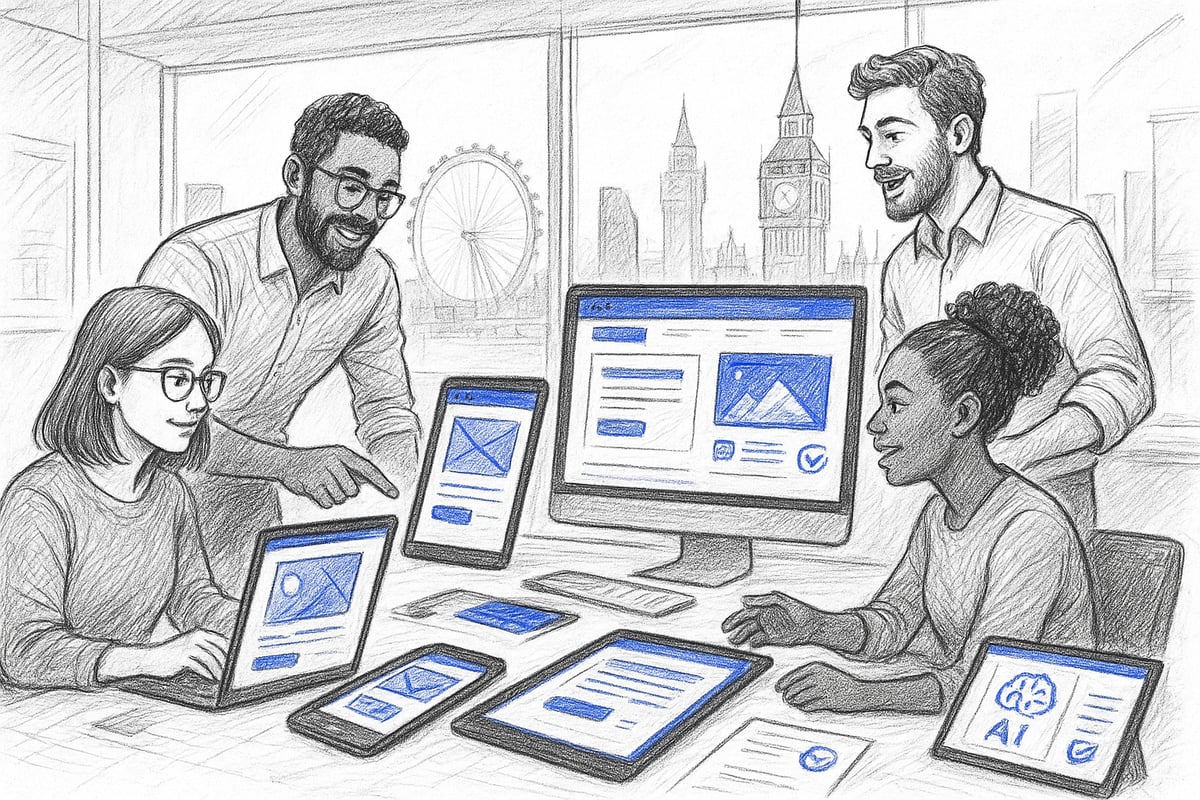
London’s population is one of the most diverse in Europe, and their digital demands reflect this variety. Users want websites that are intuitive, visually engaging, and easy to navigate for all ages and backgrounds. For a website designer london, creating seamless journeys is no longer optional but expected.
Recent UK data shows that more than 70 percent of internet sessions begin on mobile devices, while voice search use continues to rise annually. Personalisation, such as tailored content and AI-powered recommendations, is now a baseline expectation. Meeting these standards is essential for earning trust and loyalty in this competitive market.
Advances in Technology and Tools
The technology available to a website designer london has evolved dramatically. AI-driven design tools, low-code and no-code platforms, and automation are now at the forefront. London agencies are increasingly adopting these technologies to speed up workflows, improve accuracy, and deliver more creative solutions.
For example, agencies leveraging AI for user experience optimisation and rapid prototyping report significantly reduced project timelines. According to industry research, over 65 percent of UK businesses plan to increase investment in advanced web design tools by 2026. For deeper insights into how London agencies are harnessing these trends, see Web Design Agency London Insights.
Regulatory and Accessibility Standards
In 2026, strict compliance with GDPR, WCAG 2.2, and UK-specific standards is a top priority for every website designer london. Non-compliance can lead to reputational damage and financial penalties, as seen in recent high-profile cases involving London-based brands.
It is crucial to embed compliance checks throughout the design process. This includes regular accessibility audits, clear privacy policies, and ensuring all digital content meets required standards. Automated tools can help streamline these checks, making compliance part of the everyday workflow.
Competitive Advantage in the London Market
London’s web design sector is projected to grow by over 15 percent by 2026, presenting both opportunity and fierce competition. To stand out, a website designer london must blend technical expertise with creative flair and deep local knowledge.
Successful projects in London often showcase unique brand stories, adaptive layouts, and a focus on local relevance. By combining these elements, designers can deliver memorable digital experiences that not only attract, but retain, discerning London clients.
7 Essential Website Designer London Tips for 2026 Success
Website designer london professionals face a dynamic and highly competitive environment in 2026. To succeed, you must stay ahead of evolving user expectations, embrace new technologies, and consistently refine your craft. The following seven tips are essential for any website designer london aiming to achieve long-term success in the capital’s digital market.
1. Embrace Mobile-First and Responsive Design
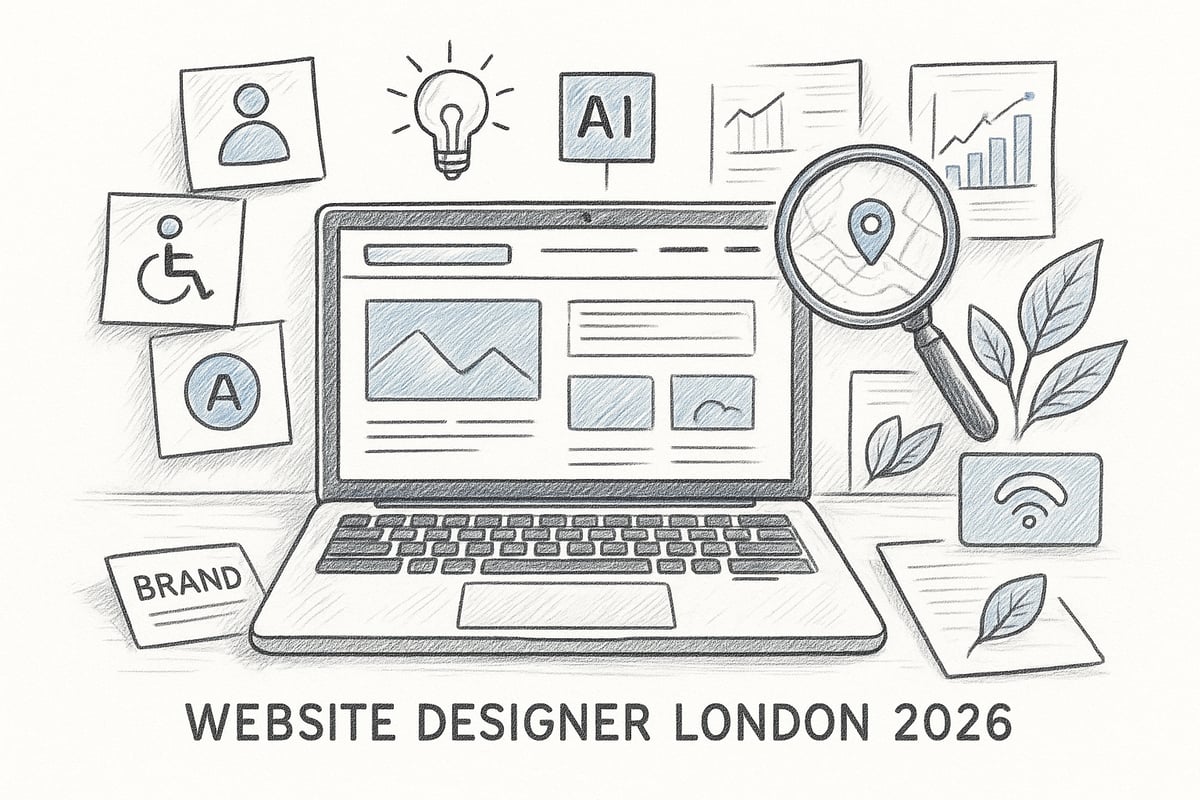
For any website designer london, prioritising mobile-first and responsive design is non-negotiable. In 2025, over 60% of web traffic in London comes from mobile devices, underscoring the need for seamless experiences across all screen sizes. Google’s mobile-first indexing further amplifies the importance of optimised mobile layouts for local SEO and overall visibility.
Adopt best practices such as fluid grids, flexible images, and media queries to ensure your sites adapt gracefully. Consider the following quick guide:
| Responsive Design Element | Best Practice Example |
|---|---|
| Fluid Grids | Use percentages, not fixed pixels |
| Flexible Images | Set max-width to 100% |
| Media Queries | Target breakpoints for devices |
A leading website designer london recently revamped a retail website, resulting in a 30% increase in conversions after implementing a responsive design. Tools like Figma, Bootstrap 6, and advanced CSS frameworks make it easier to prototype and deliver responsive sites efficiently.
By making mobile-first thinking core to your process, you ensure your projects deliver value to clients and users alike.
2. Prioritise Accessibility and Inclusivity
Complying with WCAG 2.2 and UK accessibility laws is essential for every website designer london. The capital’s diverse population expects digital experiences that are inclusive and usable by all, regardless of ability.
Key techniques include:
- Ensuring full keyboard navigation
- Using ARIA labels for assistive technologies
- Maintaining sufficient colour contrast ratios
- Adding descriptive alt text for all images
The benefits for any website designer london are significant: wider audience reach, improved SEO, and reduced legal risk. For example, after a major accessibility overhaul, a London council website reported higher public engagement and positive feedback from users with disabilities.
Utilise accessibility testing tools like WAVE, Axe, and Lighthouse to automate compliance checks throughout your workflow. Integrating these steps early in your process ensures lasting inclusivity and compliance.
3. Harness the Power of AI and Automation
AI and automation are transforming how a website designer london approaches projects. AI-driven tools enable personalisation, predictive UX, and dynamic content generation. Chatbots powered by AI now provide instant support and tailored recommendations, enhancing user satisfaction.
Automation streamlines repetitive tasks such as content updates, performance monitoring, and A/B testing. One prominent London agency reduced project timelines by 40% after integrating AI tools into their design and development pipeline.
However, a successful website designer london knows to balance automation with human creativity. Use AI for efficiency, but preserve your unique design perspective and client relationships. Recommended AI tools for 2026 include Adobe Sensei, Midjourney for creative assets, and ChatGPT for content suggestions.
By leveraging AI and automation, you can deliver smarter, faster solutions without sacrificing quality or originality.
4. Focus on Local SEO and Hyperlocal Content
Local SEO is a must-have strategy for any website designer london who wants to help clients dominate their neighbourhood market. In London, 78% of location-based searches lead to offline purchases, highlighting the power of local search.
Key strategies include:
- Optimising your Google Business Profile
- Targeting local keywords (e.g., “website designer london”)
- Implementing schema markup for services and locations
Create hyperlocal landing pages tailored to specific boroughs or neighbourhoods. For instance, a service provider in London doubled their bookings after a focused local SEO campaign.
To learn more about effective local SEO packages and strategies, explore Local SEO Strategies for London.
Use tools like Moz Local, SEMrush, and Google’s local pack insights to monitor rankings and manage reviews. A data-driven approach ensures your clients maintain a visible, trusted presence in the London digital landscape.
5. Integrate Sustainable and Ethical Web Practices
A forward-thinking website designer london recognises the growing demand for sustainable and ethical web design. In the UK, 64% of users prefer brands with strong green credentials, making eco-friendly practices a differentiator.
Techniques to reduce digital carbon footprints include:
- Compressing and optimising images
- Choosing green hosting providers
- Adopting minimalistic, efficient code and design
A London-based charity saw a significant increase in donations after relaunching their site with a sustainability focus. For any website designer london, these practices not only benefit the environment but also enhance brand perception and trust.
Pursue certifications such as the Green Web Foundation, and consult resources like Sustainable Web Design for ongoing learning. Ethical design is both a responsibility and a competitive advantage.
6. Leverage Advanced Analytics for Data-Driven Design
Data is the secret weapon for every website designer london aiming to improve user experience and boost conversions. Advanced analytics reveal how users interact with your sites, allowing for continuous optimisation.
Track metrics such as:
- User flow and journey mapping
- Heatmaps showing engagement hotspots
- Conversion rates on key calls-to-action
A London fintech company refined their site’s UX after analysing detailed journey data, resulting in higher engagement and customer satisfaction. Essential tools for website designer london professionals include GA4, Hotjar, and AI-powered analytics dashboards.
Set up actionable reports that highlight trends and inform design decisions. Using analytics strategically empowers you to deliver measurable value to clients.
7. Master Storytelling and Brand Identity
Storytelling is the heart of memorable web design, especially for any website designer london seeking to differentiate local brands. A compelling narrative, paired with consistent visuals and tone, makes a brand instantly recognisable.
Techniques for success:
- Develop a clear brand story aligned with client values
- Use consistent typography, colour schemes, and imagery
- Integrate multimedia, such as video and animation, for richer engagement
A London startup saw customer loyalty surge after launching a site with a strong, authentic brand identity. For every website designer london, mastering storytelling is crucial to building emotional connections and driving conversions.
Use frameworks like Brand Archetypes and consult tools such as Adobe Express for brand assets. Invest in ongoing brand development to ensure your clients stand out in the bustling London market.
Building a Winning Website Design Portfolio in London
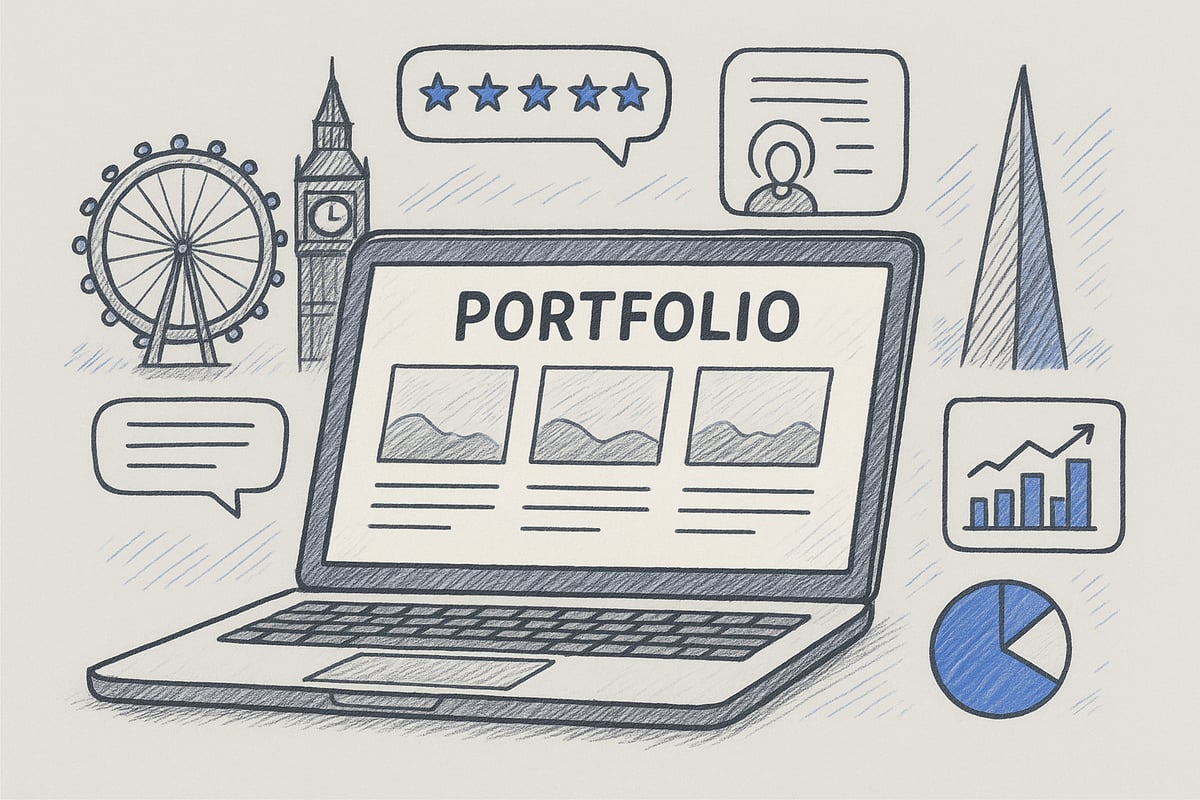
A standout portfolio is crucial for any website designer london aiming to attract top clients and secure high-value projects. In such a competitive city, your portfolio should not only reflect design skills but also demonstrate deep understanding of the local market. By focusing on the right strategies, you can ensure your work resonates with London’s diverse business landscape.
Showcasing Local Expertise and Niche Projects
To stand out as a website designer london, highlight projects rooted in the city’s dynamic sectors. Whether you specialise in hospitality, fintech, education, or retail, tailor your portfolio to showcase successful outcomes for London-based clients.
Consider creating dedicated case studies for each sector, emphasising challenges unique to the London market and your solutions. For inspiration and ideas on structuring a compelling local portfolio, explore the Building a Website Design Portfolio resource.
Use project narratives that speak directly to London audiences, focusing on real results and client goals. This approach positions you as a trusted expert for businesses seeking local insight.
Using Testimonials and Social Proof
Social proof is a powerful asset for any website designer london. Gather reviews from London clients and display them prominently throughout your portfolio.
Video testimonials can add authenticity, while before and after screenshots help illustrate your impact. Remember, 92 percent of UK buyers trust peer recommendations when choosing a service provider.
Encourage satisfied clients to share their experiences, and regularly update your testimonials to reflect recent successes. This builds trust and reassures prospective clients of your credibility and results-driven approach.
Optimising Portfolio for Search and Conversion
An effective website designer london portfolio not only impresses visually but also drives enquiries and conversions. Optimise every project description with relevant keywords, including local terms that potential clients are likely to search.
Implement schema markup for better search visibility, and ensure all images are properly optimised for speed and SEO. Add clear calls-to-action, such as contact forms or consultation buttons, to guide visitors toward the next step.
One designer increased leads by 50 percent after a targeted SEO overhaul, demonstrating the real-world benefits of a search-focused portfolio strategy.
Networking and Community Engagement
Active participation in the London design community can greatly enhance your visibility as a website designer london. Attend local events, web design meetups, and industry conferences to build relationships and showcase your expertise.
Collaborate with other agencies or freelancers on joint projects, and engage in online forums or Slack groups dedicated to London’s creative sector. Listing your portfolio on local directories and maintaining a strong LinkedIn presence can further extend your reach.
Consistent networking not only brings new opportunities but also keeps you informed about the latest trends and client needs in the city.
Essential Tools and Resources for London Website Designers in 2026
Staying ahead in London’s dynamic digital scene requires a carefully selected toolkit. As a website designer london professional, leveraging the right platforms can mean the difference between average and outstanding project outcomes.
Below, we explore essential design, analytics, compliance, and community resources every website designer london should know for 2026 success.
Design and Prototyping Platforms
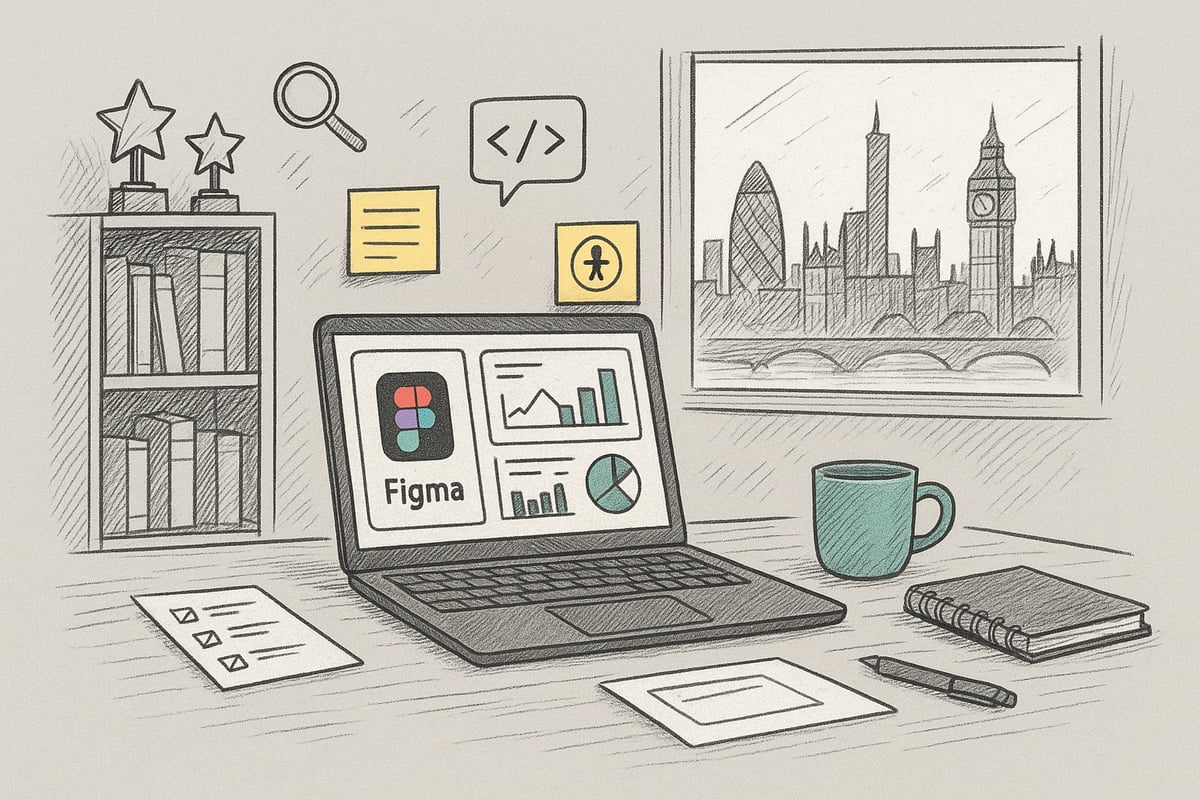
Efficient design starts with robust prototyping tools. In 2026, Figma, Adobe XD, and Sketch remain top choices for website designer london professionals due to their intuitive interfaces and real-time collaboration features. Figma’s cloud-based platform, for example, allows teams across London to iterate rapidly, reducing project turnaround.
Agencies in London are increasingly adopting platforms offering AI-powered suggestions and seamless integration with development workflows. Staying updated with Web Design Trends in 2026 ensures your toolset supports emerging styles like glassmorphism and hand-drawn accents.
A quick comparison table:
| Platform | Key Feature | Collaboration | AI Support |
|---|---|---|---|
| Figma | Cloud prototyping | Yes | Advanced |
| Adobe XD | Animation tools | Yes | Moderate |
| Sketch | Vector editing | Yes | Basic |
Choosing the right platform empowers a website designer london to deliver innovative, high-quality results.
SEO and Analytics Solutions
Visibility is crucial for any website designer london aiming to grow client success. Leading tools like SEMrush, Ahrefs, GA4, and Moz Local provide actionable insights into keyword rankings, competitor analysis, and user behaviour.
By using these platforms, designers can fine-tune London-specific SEO strategies, track local search performance, and optimise on-page content. For example, integrating GA4 dashboards helps monitor user flow and conversion rates, while SEMrush offers location-based keyword research.
A website designer london can leverage analytics to identify friction points in the user journey and present data-driven recommendations to clients. This not only boosts project outcomes but also builds trust and credibility.
Accessibility and Compliance Checkers
With regulations tightening, every website designer london must prioritise accessibility and compliance. Automated tools like WAVE, Axe, and Lighthouse streamline audits, flagging issues before launch and ensuring ongoing adherence to standards.
Staying informed about UK Digital Accessibility Regulations is vital, especially for public sector and high-traffic sites. Regular compliance checks reduce legal risks and protect brand reputation.
Incorporating these tools into your workflow helps a website designer london deliver inclusive, future-proof digital experiences. Automated reporting saves time and ensures every site meets both UK and EU requirements.
Community, Learning, and Inspiration Platforms
Continuous learning is essential for any website designer london to stay competitive. London’s design community thrives through local meetups, Slack groups, and major conferences such as the London Design Festival.
Online resources, including Awwwards and CSS Design Awards, showcase cutting-edge projects for inspiration. Participating in these communities helps a website designer london stay updated on best practices, network with peers, and discover new opportunities.
Engagement with these platforms fosters creativity and professional growth, ensuring you remain at the forefront of the industry.
Future-Proofing Your Website Design Career in London
Remaining competitive as a website designer london requires more than technical expertise. The digital landscape is evolving rapidly, demanding a proactive approach to growth, adaptability, and client care. Here is how you can ensure your career thrives in London’s dynamic market.
Continuous Learning and Upskilling
To remain relevant as a website designer london, prioritise ongoing education. The industry’s pace means yesterday’s tools may be obsolete tomorrow. Attend workshops, pursue certifications, and enrol in short courses offered by London’s top design institutes.
Exploring events like the London Design Festival Information exposes you to the latest trends and innovative thinking. Consider certifications in AI-driven design or accessibility standards to expand your skillset. Taking these steps equips you to tackle complex projects and keeps you ahead of competitors.
Adapting to Emerging Trends and Client Demands
The ability to adapt sets a successful website designer london apart. Monitor shifts in technology, such as AI, automation, and sustainable web practices. Stay attuned to consumer behaviour, using analytics tools to interpret new user preferences.
Flexibility in workflows is crucial. Offer services that anticipate client needs, such as advanced analytics or eco-friendly design options. With 85 percent of London agencies planning to expand services by 2026, adaptability ensures you remain a trusted partner for evolving digital demands.
Building Strong Client Relationships
Long-term success for any website designer london hinges on strong client relationships. Communicate clearly and transparently at every stage, from project scoping to post-launch support.
Offer value-added services like maintenance, analytics, or training to demonstrate ongoing commitment. Proactive aftercare fosters loyalty and can lead to repeat business. Building trust not only boosts retention but also enhances your reputation within London’s competitive design sector.
Now that you’ve explored the essential strategies for website design success in London for 2026, why not put these insights into action? Your next breakthrough project deserves a responsive, high-converting website that truly stands out in a competitive market. At OxD PR, we combine smart SEO, accessible design, and cutting-edge tech to help you grow your business and achieve real results. If you’re ready to elevate your online presence with expert guidance tailored to your goals, let’s start a conversation today.
Web Design