Advertising Agency Guide: Your Essential Handbook for 2026
The world of advertising agency work is changing faster than ever before. In 2026, emerging technologies, new consumer habits, and evolving regulations are creating both challenges and opportunities for every advertising agency.
This essential handbook is designed to keep you ahead of the curve. You will discover expert strategies, future trends, and practical steps for success in a rapidly shifting market.
Expect insights on the latest agency models, technology integration, creative trends, client acquisition, operational best practices, and predictions for the future. Use this guide as your go-to resource to thrive and lead in the years to come.
The Evolving Agency Landscape in 2026
The advertising agency landscape in 2026 looks dramatically different from a decade ago. Agencies have had to reinvent themselves as technology, consumer behaviour, and regulations reshape the industry at an unprecedented pace.
This rapid evolution means an advertising agency must be more agile, resourceful, and forward-thinking than ever before. The days of static, one-size-fits-all models are gone, replaced by dynamic teams and constantly shifting service offerings.
Key Drivers of Change
Several powerful forces are driving this transformation in the advertising agency sector:
- Artificial intelligence and automation: AI now underpins campaign planning, data analysis, and creative development, allowing agencies to work faster and smarter.
- Privacy regulations: Updates like GDPR 2.0 and new ePrivacy rules force agencies to rethink data strategies and transparency.
- Evolving client expectations: Clients expect measurable results, integrated strategies, and transparent partnerships.
- Hybrid and remote work: Flexible models have become the norm, influencing collaboration, talent acquisition, and creative processes.
Shifting Agency Models
The traditional full-service advertising agency is no longer the default. Instead, the market has seen explosive growth in boutique and specialised agencies, each targeting precise niches or platforms.
At the same time, hybrid models—blending remote and in-person teams—have become essential. These flexible structures encourage diverse thinking and make it easier to tap into global talent pools, boosting both creativity and efficiency.
The Rise of In-House Teams
A major trend is the rise of in-house agency teams within large brands. According to industry studies, a significant proportion of major companies now have dedicated in-house marketing departments, aiming to control costs and speed up campaign delivery.
| Agency Type | Market Share (2026, est.) | Key Strengths |
|---|---|---|
| Full-service | 35% | Broad expertise, scale |
| Boutique/specialist | 40% | Niche focus, agility |
| In-house | 25% | Cost control, speed |
This shift creates both challenges and opportunities for the external advertising agency, as brands become more selective in outsourcing specialist skills.
How Industry Giants Adapt
Leading holding companies like WPP and Publicis Groupe have pivoted to digital-first models. They now invest heavily in technology, data, and cross-channel expertise, aiming to remain relevant in a market where agility and innovation are essential.
Market Data and Growth
The numbers tell a compelling story. According to Statista, digital ad spend in the UK is projected to hit £25 billion by 2026. This growth reflects ongoing demand for digital expertise and omni-channel campaigns, reinforcing the need for every advertising agency to continually upskill and adapt.
Challenges and Opportunities
The 2026 landscape is not without hurdles. Agencies face fierce competition, high client expectations, and a talent market where digital skills are in constant demand. Continuous learning and upskilling are critical.
However, opportunities abound. Agencies can set themselves apart by developing deep niche expertise and offering integrated, end-to-end services. Those that adapt quickly, embrace new tools, and foster creative cultures will thrive.
For a deeper look at how these structural shifts may impact agency jobs and business models, see Forrester’s 2026 Marketing Agency Predictions.
The advertising agency of 2026 is defined by its ability to evolve. Success now depends on embracing technology, nurturing talent, and delivering measurable value to clients in a fast-changing world.
Core Agency Models and Service Offerings
The advertising agency landscape in 2026 is more diverse and dynamic than ever. As brands navigate a complex digital ecosystem, choosing the right agency model and service mix is critical for success. Understanding these models helps agency leaders and clients alike determine the best fit for their goals and challenges.
Comparing Traditional, Digital-First, and Hybrid Models
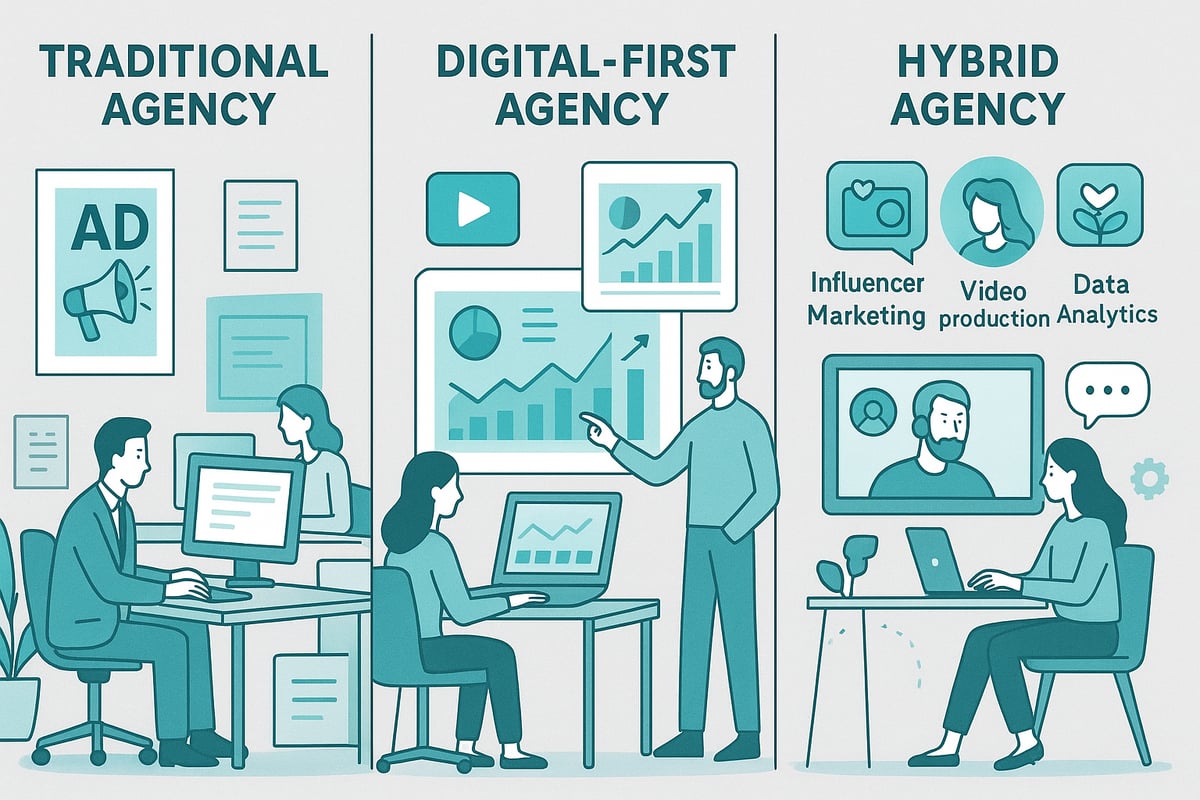
Advertising agency models have evolved rapidly. Traditional agencies focus on broad campaigns, media buying, and creative development, often with in-person teams. Digital-first agencies, in contrast, prioritise online channels, programmatic buying, and data-driven strategies. Hybrid models blend the strengths of both, using flexible teams and integrated platforms.
| Model | Core Focus | Team Structure | Pros | Cons |
|---|---|---|---|---|
| Traditional | TV, print, radio | Centralised | Strong legacy, trusted | Less agile, slower pivot |
| Digital-First | Online, social, data | Agile, remote | Innovative, scalable | May lack offline reach |
| Hybrid | Integrated channels | Mixed/remote | Versatile, adaptive | Complex coordination |
For any advertising agency, selecting a model depends on market needs and internal capabilities.
Specialised vs. Full-Service Agencies
The market now offers both niche specialists and full-service giants. A specialised advertising agency targets a defined audience or platform, such as TikTok or voice search, offering deep expertise and tailored results. Full-service agencies provide a comprehensive suite, from creative to analytics, serving diverse client needs.
Pros of Specialised Agencies:
- Deep subject matter knowledge
- Faster execution in niche areas
- Strong differentiation
Cons:
- Limited service scope
- May not scale with client growth
Pros of Full-Service Agencies:
- Convenience of a single partner
- Integrated campaign management
Cons:
- Higher overheads
- Potential for diluted expertise
Market demand increasingly favours agencies that can adapt quickly and deliver measurable impact.
Emerging Service Areas and Creative Expansion
As platforms and consumer habits shift, advertising agency service offerings have expanded. In 2026, high-growth areas include:
- Influencer marketing and creator partnerships
- Voice search optimisation
- Programmatic advertising
- Immersive media, such as AR/VR campaigns
Boutique agencies specialising in short-form video, especially on platforms like TikTok, have achieved impressive results for brands seeking rapid engagement. At the same time, content studios and video production arms are becoming essential for agencies aiming to meet demand for rich, interactive content.
Integrating data analytics and real-time performance measurement is now a baseline expectation, not a luxury.
Delivering Omni-Channel Solutions and Real-World Examples
Today’s clients expect their advertising agency to deliver seamless campaigns across digital, social, search, display, and even offline channels. Successful agencies coordinate messaging and creative assets to ensure a unified brand experience, no matter where the consumer interacts.
For instance, agencies managing campaigns for retail brands often synchronise social media promotions with in-store activations and search ads. This holistic approach improves attribution and ROI.
To stand out in a competitive landscape, agencies must constantly refine their marketing strategies and service mix. For more on how to differentiate and grow, see Advertising Agency Marketing Strategies.
Technology & Tools Shaping Agency Success in 2026
The technology landscape for every advertising agency is evolving at an unprecedented speed. As we move into 2026, rapid advancements in artificial intelligence and automation are fundamentally transforming how agencies plan, execute, and measure campaigns.
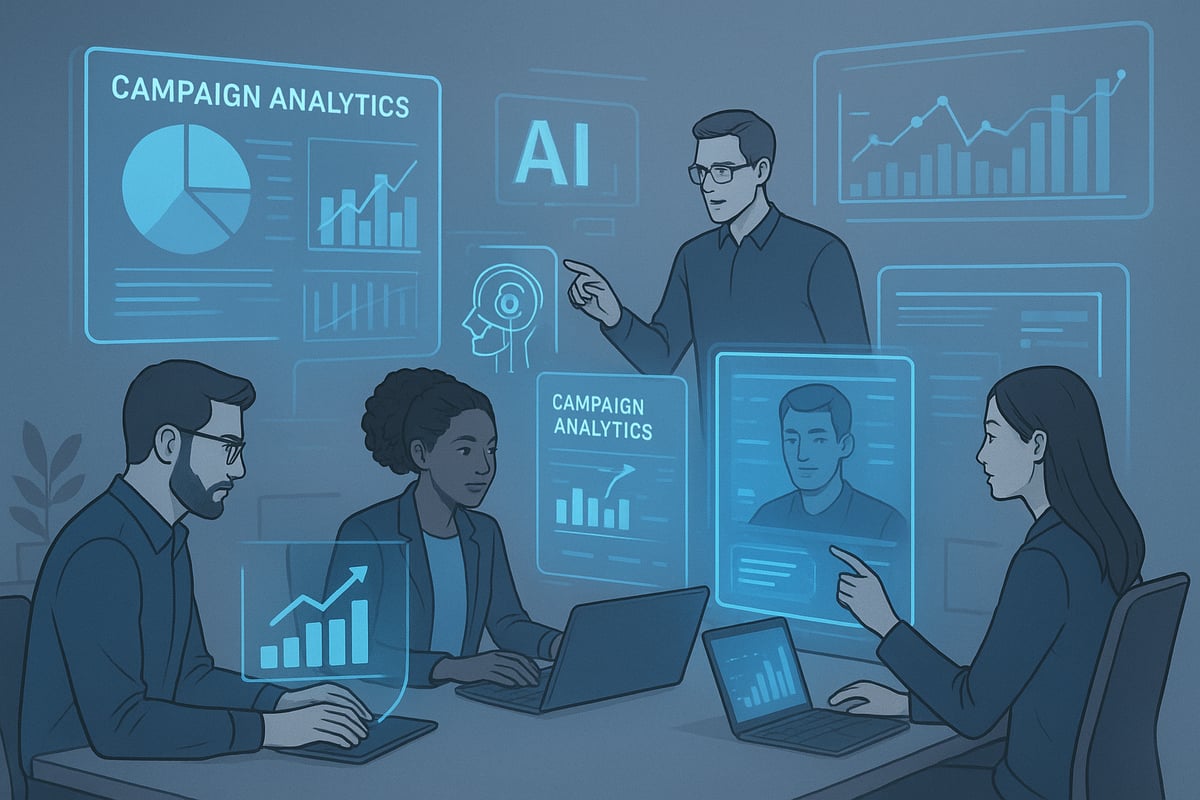
Artificial intelligence and machine learning now sit at the core of advertising agency operations. Agencies leverage AI to analyse vast data sets, uncover audience insights, and automate campaign targeting. According to Gartner, 70% of agencies use AI-powered tools for at least one campaign process, making AI an essential asset for both efficiency and creativity.
Automation is another critical pillar. Media buying, reporting, and workflow management are increasingly handled by sophisticated platforms that reduce manual tasks and improve accuracy. Automated bidding strategies and real-time reporting enable agencies to optimise spend, allocate resources effectively, and deliver measurable results to clients.
With data privacy regulations like GDPR 2.0 and updated ePrivacy rules, every advertising agency must prioritise compliance. Tools that manage consent, anonymise data, and ensure regulatory alignment are no longer optional. These solutions not only protect client and consumer information but also build trust in agency-client relationships.
Customer Data Platforms (CDPs) and advanced analytics are driving a new era of personalisation. By unifying customer data from multiple channels, agencies can create hyper-targeted campaigns that resonate with individual preferences. Real-time analytics allow teams to adjust strategies on the fly, ensuring campaigns remain relevant and impactful.
Creative technology is redefining what agencies can deliver. Dynamic creative optimisation tools enable the automatic tailoring of ads to specific audiences. Augmented reality (AR) and virtual reality (VR) campaigns offer immersive experiences that capture attention and boost engagement. Interactive content platforms are becoming standard in the creative toolkit for any forward-thinking advertising agency.
Hybrid and remote working models have prompted agencies to adopt advanced collaboration and project management software. These platforms support seamless teamwork across different locations, streamline communication, and ensure that projects stay on track. The right digital infrastructure is vital for maintaining creativity and efficiency in distributed teams.
AI-driven copywriting and design tools are accelerating production cycles, allowing agencies to deliver high-quality content at scale. For an in-depth look at how AI is reshaping the industry, see AI Transforming Marketing Agencies.
When evaluating and integrating new technology, agencies should carefully consider return on investment, scalability, and training needs. An effective tech stack must integrate smoothly with existing systems, offer robust security, and include comprehensive support. Ongoing staff training is crucial to maximise platform benefits and keep pace with continuous innovation.
To future-proof success, an advertising agency must regularly audit its technology, stay agile in adopting new tools, and foster a culture of learning. Those who invest in the right mix of automation, analytics, and creative technology will be well-positioned to lead in 2026 and beyond.
Creative Strategies & Campaign Trends for 2026
The creative landscape for every advertising agency in 2026 is more dynamic than ever. Agencies are embracing new formats, technologies, and values to capture attention in a crowded digital world. The rise of immersive storytelling, data-driven personalisation, and purpose-led messaging is transforming how brands connect with consumers.
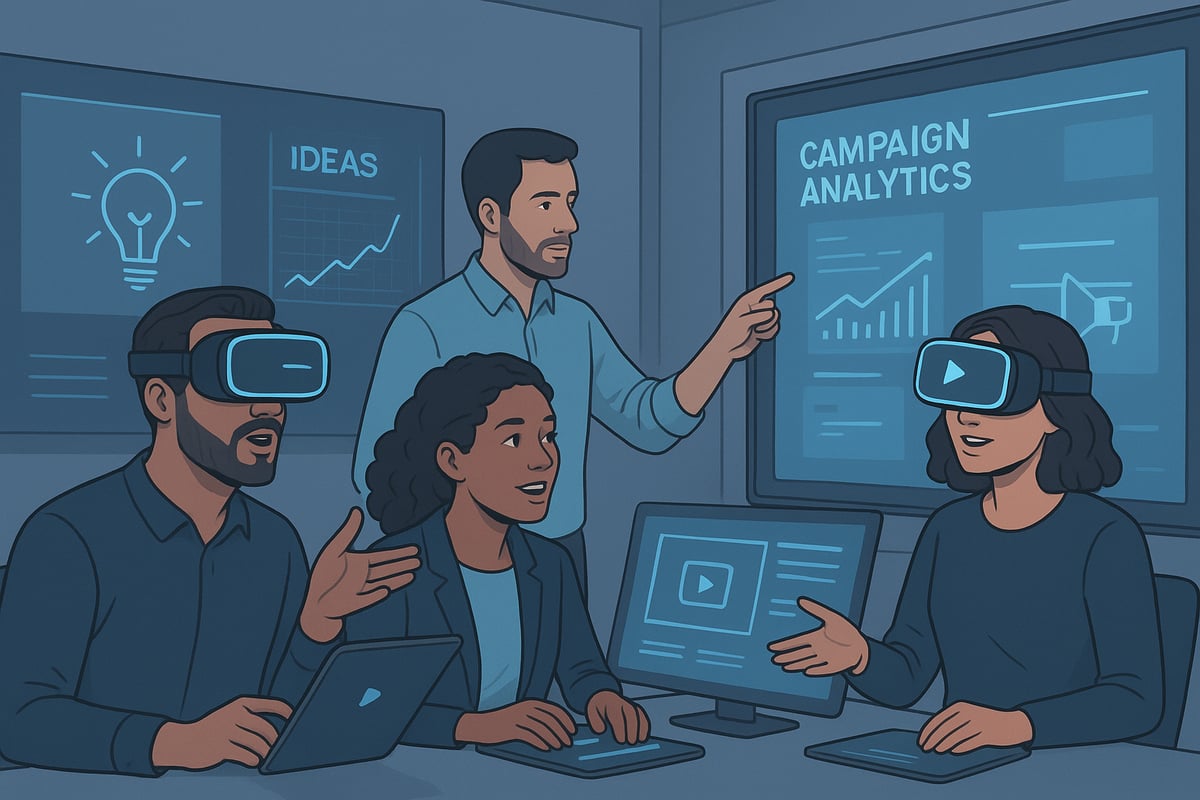
Immersive Storytelling and Creative Technologies
Storytelling is at the heart of every successful advertising agency. In 2026, agencies are leveraging AR and VR to create experiences that blur the boundaries between digital and physical worlds. Interactive ads and gamified campaigns are now mainstream, offering consumers a chance to participate, not just observe.
Brands use these immersive formats to drive engagement and memorability. For example, a retailer might launch a virtual store tour, while a tech brand could host a gamified product launch. These approaches allow an advertising agency to build deeper emotional connections with audiences.
The New Content Marketing Playbook
Content marketing has evolved rapidly. Short-form video dominates platforms like TikTok and Instagram Reels, while live streaming creates real-time brand moments. Micro-influencer collaborations are delivering authentic reach, especially among Gen Z.
Generative AI is also reshaping creative production. According to the IAB’s 2025 Digital Video Ad Spend Report, nearly 90 percent of advertisers are expected to use AI for video ad creation by 2026. This shift allows an advertising agency to produce bespoke content at scale, optimising creative for different channels and audiences.
Personalisation, Purpose, and Values in Campaigns
Hyper-personalisation is now essential. Agencies use advanced analytics to tailor creative assets for individual preferences, ensuring relevance at every touchpoint. This level of personalisation sets an advertising agency apart from competitors.
Campaigns increasingly reflect diversity, inclusion, and sustainability. Messaging aligns with consumer values, addressing social responsibility and ethical concerns. In fact, 68 percent of consumers prefer brands that mirror their personal values, driving loyalty and advocacy.
Purpose-driven campaigns, such as those promoting environmental initiatives or community support, are becoming industry benchmarks. An advertising agency that embraces these themes strengthens client relationships and builds lasting brand equity.
Creative Collaboration and Measurement
Collaboration is reshaping the creative process. Agencies co-create content with clients and even consumers, producing authentic narratives that resonate. This trend empowers brands to share ownership of their stories, making campaigns more relatable.
Measuring creative impact is more sophisticated. Advanced attribution models and real-time analytics help agencies optimise campaigns and demonstrate ROI. Every advertising agency must now combine creativity with data-driven insights to remain competitive.
The future belongs to agencies that innovate, adapt, and put human connection at the centre of every campaign.
Client Acquisition, Retention & Agency Growth Strategies
In the fast-evolving world of advertising agency leadership, standing out and sustaining growth has never been more challenging. As competition intensifies and client expectations rise, agencies must rethink how they attract, engage, and retain valuable clients. The right blend of brand strength, digital innovation, and personalised service is crucial for thriving in 2026.
Building Your Agency Brand
A compelling brand and unique value proposition set an advertising agency apart in a crowded marketplace. Agencies that invest in clear messaging, strong visual identity, and a consistent digital presence are more likely to attract their ideal clients. Awards, industry recognition, and publishing thought leadership content further establish credibility.
Leveraging case studies and success stories demonstrates expertise and helps build trust. For more inspiration on how leading agencies in London differentiate themselves, see Marketing Agency in London Insights. This resource offers practical examples of positioning, operations, and trends.
Modern Lead Generation & Personalisation
Effective lead generation now relies on a blend of inbound marketing, webinars, and active participation in digital communities. Agencies should optimise their website for search, produce valuable content, and use targeted advertising to draw in prospects.
Personalisation is key when pitching new business. By tailoring proposals using client data and market insights, an advertising agency can stand out among competitors. Interactive presentations and customised onboarding experiences make a memorable first impression.
Relationship Management & Retention
Long-term growth hinges on strong client relationships. Regular, transparent reporting builds trust and demonstrates results. Open communication channels, such as dedicated account managers and scheduled check-ins, foster ongoing engagement.
To expand relationships, agencies can upsell and cross-sell by bundling services or offering new digital solutions. Agencies using advanced digital tactics, like those outlined in Digital Marketing Tactics for Agencies, are better positioned to showcase value and drive client success.
Retention strategies also play a pivotal role. Implementing loyalty programmes, performance guarantees, and ongoing education initiatives helps maintain client satisfaction. According to AgencyBenchmarks (2025), agencies with robust retention programmes see 30 percent higher annual revenues.
Scaling with Account-Based Marketing
Scaling requires a strategic approach to both talent and client acquisition. Account-based marketing allows an advertising agency to focus efforts on high-value prospects, tailoring outreach and services to their specific needs.
Forming partnerships with technology providers or creative specialists can also unlock new growth opportunities. By continuously refining processes and investing in team development, agencies can adapt to market changes and achieve sustainable expansion.
Future Outlook: Predictions & Essential Skills for Agency Leaders
The advertising agency landscape in 2026 is poised for rapid transformation. Leaders across the sector must anticipate significant innovation, shifting regulations, and evolving expectations from clients and teams. Staying ahead will require a blend of strategic foresight, technical acumen, and a commitment to continuous growth.
The Next Wave of Innovation
Emerging technologies are set to redefine how an advertising agency operates. Artificial intelligence is already streamlining campaign planning, creative production, and targeting. According to Meta’s AI-Driven Advertising Automation Plans, full automation of ad creation and delivery is on the horizon for 2026.
Blockchain is gaining traction in ad verification, offering transparency and reducing fraud. Ethical data usage is another priority, as agencies balance personalisation with consumer privacy. Agencies that invest in responsible AI and transparent practices will build greater trust and long-term value.
Essential Skills for Agency Leaders
Success in the modern advertising agency depends on more than technical expertise. Adaptability is cited by 85% of agency leaders as the top skill for 2026, reflecting the need to pivot quickly amid change. Digital literacy and cross-functional management are vital, enabling leaders to integrate new platforms and collaborate across disciplines.
Emotional intelligence is equally important. Building strong client and team relationships requires empathy and clear communication. As highlighted by AI’s Impact on Advertising Agencies, responsible AI adoption also demands ethical leadership and ongoing upskilling.
Navigating Regulation and Lifelong Learning
Advertising agency leaders must stay alert to new privacy laws and advertising standards. GDPR 2.0 and ePrivacy updates will introduce stricter compliance requirements. Proactive training, regular policy reviews, and participation in industry forums will help agencies remain compliant and competitive.
Continuous learning is key. Engaging with professional communities, attending webinars, and investing in staff development ensures your agency is prepared for future challenges and opportunities.
Building a Culture of Innovation
The future belongs to advertising agency leaders who foster resilience and curiosity. By nurturing a culture of innovation, encouraging experimentation, and prioritising adaptability, agencies can thrive despite uncertainty. Embrace change, invest in your team, and use this period of transformation as a catalyst for sustainable growth.
As you look ahead to the rapidly evolving world of advertising in 2026, having the right partner can make all the difference. With new technologies, shifting regulations and the need for standout creative strategies, it is more important than ever to ensure your agency is equipped for success. At OxD PR, we specialise in guiding businesses through these changes with bespoke digital marketing solutions tailored to your goals. If you are ready to elevate your agency’s capabilities and drive real results, take the next step and Get a Quote today.