Branding Businesses: A Comprehensive Guide for 2026
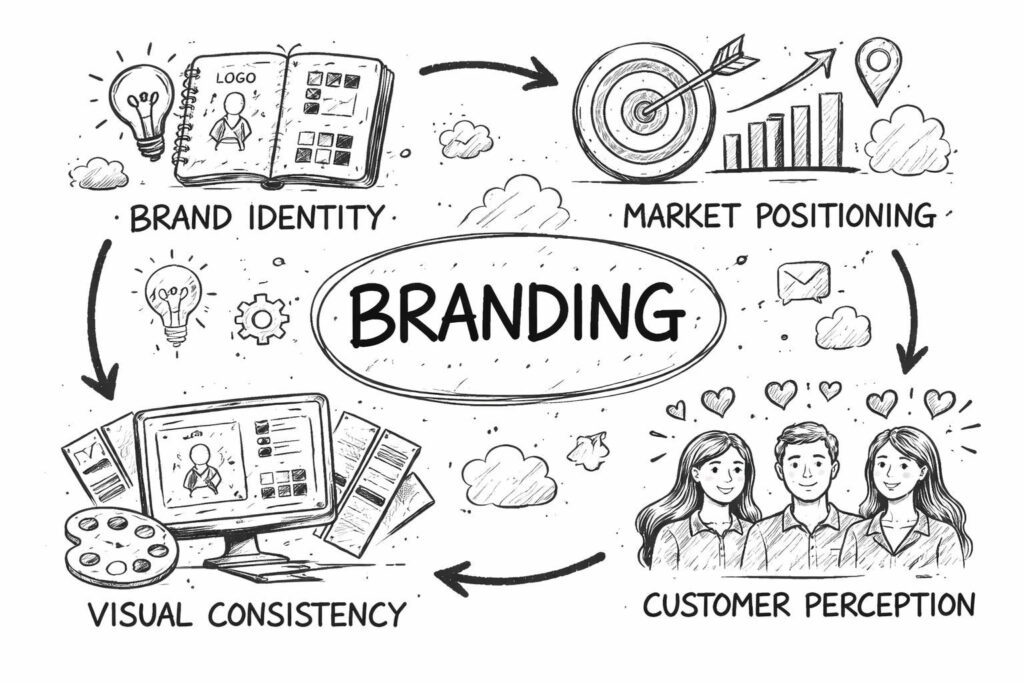
Branding businesses effectively has become more critical than ever in 2026's competitive digital marketplace. As companies compete for attention across multiple platforms and touchpoints, a cohesive brand identity separates industry leaders from those struggling to gain traction. Building a memorable brand requires strategic thinking, consistent execution, and a deep understanding of your target audience's needs and expectations.
Understanding the Foundation of Business Branding
When branding businesses, the first step involves defining your core identity. This encompasses your mission, values, and unique positioning in the marketplace. Many organisations rush into visual elements without establishing these fundamental principles, resulting in disconnected messaging and confused audiences.
Your brand foundation should answer critical questions about who you serve, what problems you solve, and why customers should choose you over competitors. This clarity informs every subsequent decision, from logo design to content strategy.
Defining Your Brand Mission and Values
A compelling brand mission articulates your company's purpose beyond profit. Consider how your business improves customers' lives or addresses specific market gaps. Values demonstrate what your organisation stands for and guide decision-making at every level.
Key elements to define:
- Primary business purpose and long-term vision
- Core values that guide company culture
- Unique selling propositions that differentiate you
- Target audience demographics and psychographics
When establishing these foundational elements, involve stakeholders across your organisation. This ensures buy-in and consistency as your brand evolves. The Better Business Bureau’s branding tips emphasise understanding your competition and defining your brand mission as critical first steps.
Creating Visual Brand Consistency
Visual identity represents the most immediately recognisable aspect of branding businesses. Your logo, colour palette, typography, and imagery work together to create instant recognition and convey brand personality without words.
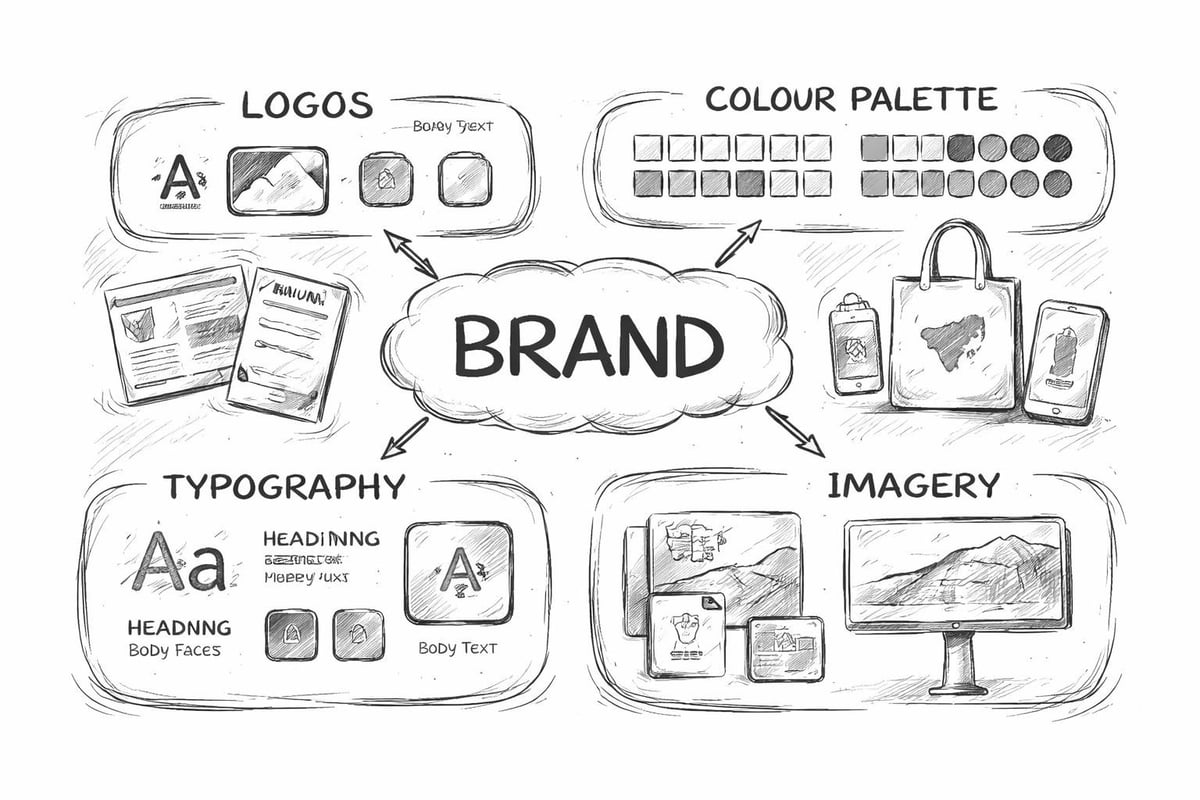
Consistency across all touchpoints builds trust and professionalism. When customers encounter your brand on social media, your website, or printed materials, they should immediately recognise your visual language.
Essential Visual Brand Elements
| Element | Purpose | Best Practice |
|---|---|---|
| Logo | Primary brand identifier | Create versatile versions for different contexts |
| Colour Palette | Emotional connection and recognition | Limit to 3-5 core colours with defined usage |
| Typography | Brand personality and readability | Select 2-3 complementary fonts |
| Imagery Style | Visual storytelling | Establish clear photography and illustration guidelines |
Professional graphic design services ensure these elements work harmoniously whilst maintaining flexibility for various applications. Your visual system should feel cohesive whether applied to a business card or a billboard campaign.
Developing Your Brand Voice and Messaging
Beyond visual elements, branding businesses requires a distinctive voice that resonates with your audience. This verbal identity encompasses tone, language choices, and messaging frameworks that guide all communication.
Your brand voice should reflect your company personality whilst remaining accessible to your target market. A technology consultancy might adopt an authoritative yet approachable tone, whilst a lifestyle brand could embrace playful informality.
Voice characteristics to define:
- Formality level (professional, conversational, casual)
- Emotional tone (optimistic, serious, humorous)
- Language complexity (technical, straightforward, simplified)
- Perspective (first person, second person, third person)
Consider how best practices in branding emphasise using consistent vocabulary across all platforms. This linguistic consistency reinforces recognition just as powerfully as visual consistency.
Crafting Compelling Brand Messaging
Effective messaging communicates value propositions clearly and memorably. Your key messages should address customer pain points whilst highlighting your unique solutions.
Develop a messaging hierarchy that includes:
- A concise tagline encapsulating your brand essence
- Core value propositions for different audience segments
- Supporting proof points and differentiators
- Common objection responses
These messages form the foundation for all marketing communications, from website copy to social media posts. Working with a creative agency can help refine these messages for maximum impact.
Building Brand Experience Across Touchpoints
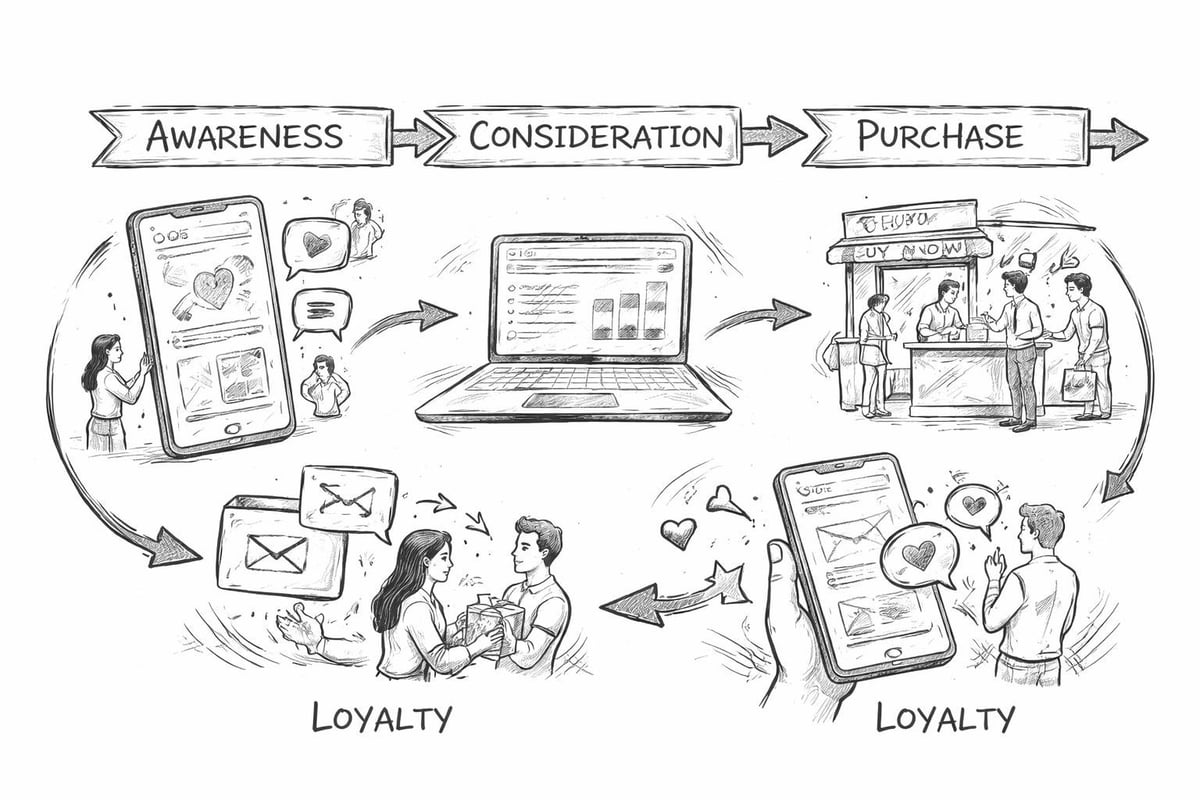
Every customer interaction represents a branding opportunity. From initial website visits to post-purchase support, each touchpoint should reinforce your brand promise and values.
Map the complete customer journey to identify critical moments where brand experience matters most. These might include first impressions on social media, website navigation ease, email communication tone, or customer service interactions.
Digital Brand Presence Optimisation
In 2026, your digital presence often provides the first and most frequent brand encounters. Website design must balance aesthetics with functionality, ensuring visitors immediately grasp your brand whilst easily accessing information.
Consider these digital touchpoints:
- Website user experience and navigation
- Social media presence and engagement style
- Email marketing design and content
- Mobile app interfaces and functionality
- Digital advertising creative and placement
Your SEO strategy also contributes to brand perception. Appearing consistently in relevant searches builds authority and trust, whilst quality content demonstrates expertise.
Implementing Brand Guidelines and Governance
As organisations grow, maintaining brand consistency becomes increasingly challenging. Comprehensive brand guidelines ensure everyone representing your company understands how to apply brand elements correctly.
Essential guideline components:
| Section | Contents | Purpose |
|---|---|---|
| Brand Story | Mission, vision, values, history | Provide context and inspiration |
| Visual Identity | Logo usage, colours, typography | Ensure visual consistency |
| Voice & Tone | Language guidelines, examples | Maintain verbal consistency |
| Applications | Templates, dos and don'ts | Simplify correct implementation |
These guidelines should be living documents, updated as your brand evolves. Make them easily accessible to employees, partners, and vendors who create brand materials.
Training Teams on Brand Standards
Documentation alone doesn't guarantee consistency. Regular training ensures teams understand not just the rules but the reasoning behind brand decisions. This deeper understanding enables better judgment when facing unique situations not covered in guidelines.
The creative strategy approach involves educating teams about strategic brand thinking rather than simply enforcing rules. When people understand why consistency matters, they become brand advocates rather than reluctant followers.
Measuring Brand Performance and Impact
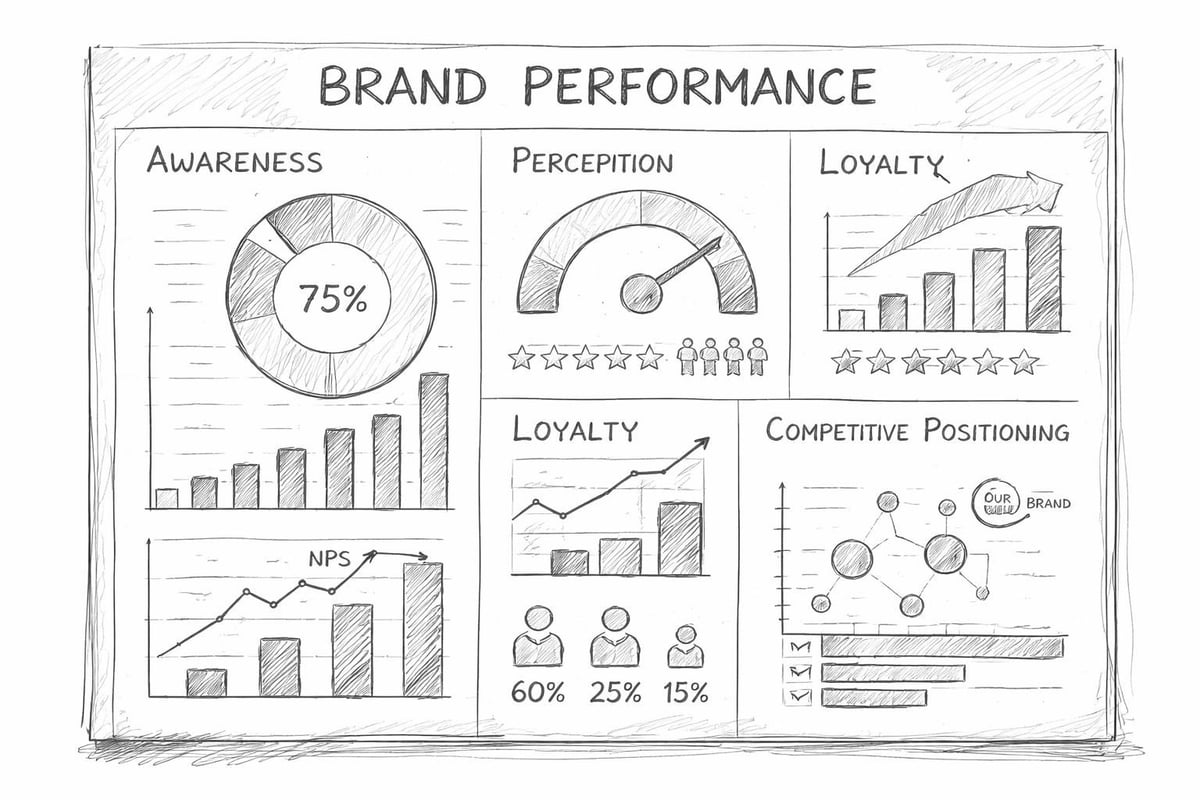
Successful branding businesses continuously assess their brand's market perception and business impact. While branding generates long-term value that extends beyond immediate sales, specific metrics indicate whether your strategies are working.
Key Brand Metrics to Track
- Brand Awareness: Measure through surveys, search volume, and social mentions
- Brand Perception: Track through customer feedback, reviews, and sentiment analysis
- Brand Loyalty: Monitor repeat purchase rates, customer lifetime value, and referrals
- Brand Equity: Assess through pricing power and competitive positioning
- Share of Voice: Compare your brand visibility against competitors
Regular measurement identifies opportunities for refinement. Perhaps your visual identity resonates strongly but messaging needs clarification, or your digital presence excels whilst physical touchpoints lag.
Learning from Successful Branding Case Studies
Examining how other companies approach branding businesses provides valuable insights. Successful branding case studies reveal patterns and principles applicable across industries.
Common themes emerge from successful rebrands:
- Clear understanding of target audience needs
- Authentic alignment between brand promise and delivery
- Consistent execution across all touchpoints
- Willingness to evolve whilst maintaining core identity
- Strategic integration with business objectives
Consider studying companies in adjacent industries rather than direct competitors. This approach sparks creative thinking whilst avoiding imitation.
Adapting Strategies to Your Context
Whilst case studies offer inspiration, successful branding requires customisation to your specific context. Your industry, audience, competitive landscape, and resources all influence appropriate strategies.
A B2B technology firm requires different approaches than a consumer retail brand. B2B branding strategies often emphasise thought leadership and relationship building, whilst consumer brands might prioritise emotional connection and lifestyle alignment.
Evolving Your Brand for 2026 and Beyond
Markets shift, customer expectations evolve, and businesses grow. Effective branding businesses build in flexibility whilst maintaining core identity. The brands that thrive in 2026 balance consistency with adaptability.
Monitor emerging trends without chasing every fad. Consider which developments genuinely serve your audience and align with your values. Effective 2026 branding practices emphasise authenticity and personalisation alongside technological advancement.
Incorporating Technology and Innovation
Technology continues transforming how brands connect with audiences. Artificial intelligence enables personalisation at scale, whilst augmented reality creates immersive brand experiences. However, technology should enhance rather than replace human connection.
Innovation opportunities to explore:
- Personalised content experiences based on user behaviour
- Interactive brand storytelling through immersive media
- Omnichannel integration for seamless experiences
- Sustainability communication and transparent practices
- Community building through digital platforms
Your marketing and creative approach should integrate these innovations strategically, prioritising those that genuinely improve customer experience.
Integrating Branding with Marketing Campaigns
Strong brands provide the foundation for effective marketing campaigns. Every advertisement, promotion, or content piece should reinforce brand identity whilst achieving specific campaign objectives.
Integrated campaigns work across multiple channels whilst maintaining consistent brand expression. Your social media marketing might adopt platform-specific tactics whilst clearly reflecting overall brand personality.
| Campaign Type | Brand Integration Approach |
|---|---|
| Product Launch | Align new offerings with brand promise |
| Seasonal Promotion | Maintain brand voice whilst creating urgency |
| Thought Leadership | Demonstrate expertise in brand-relevant topics |
| Community Building | Foster connections around brand values |
Review how branding transformations successfully integrated across marketing efforts. Consistency across touchpoints amplifies impact and builds stronger brand recall.
Protecting and Managing Brand Reputation
In 2026's transparent digital environment, brand reputation requires active management. Customer reviews, social media conversations, and online content shape perception as powerfully as your controlled messaging.
Develop systems for monitoring brand mentions and sentiment. Respond promptly to feedback, addressing concerns whilst celebrating positive experiences. This engagement demonstrates that your brand genuinely values customer relationships.
Reputation management essentials:
- Regular monitoring of brand mentions across platforms
- Established protocols for responding to negative feedback
- Proactive content creation addressing common questions
- Crisis communication plans for potential issues
- Authentic engagement that builds community trust
The branding portfolio examples from successful agencies demonstrate how strategic brand management protects and enhances reputation over time.
Branding businesses successfully in 2026 requires strategic thinking, consistent execution, and continuous refinement based on performance data and market feedback. By establishing strong foundations, maintaining consistency across touchpoints, and adapting thoughtfully to evolving customer expectations, your brand can achieve lasting recognition and loyalty. Whether you're building a brand from scratch or refreshing an established identity, partnering with experienced professionals accelerates results. OxD PR combines strategic branding expertise with comprehensive digital marketing services to help businesses create powerful, cohesive brand identities that drive measurable growth.